
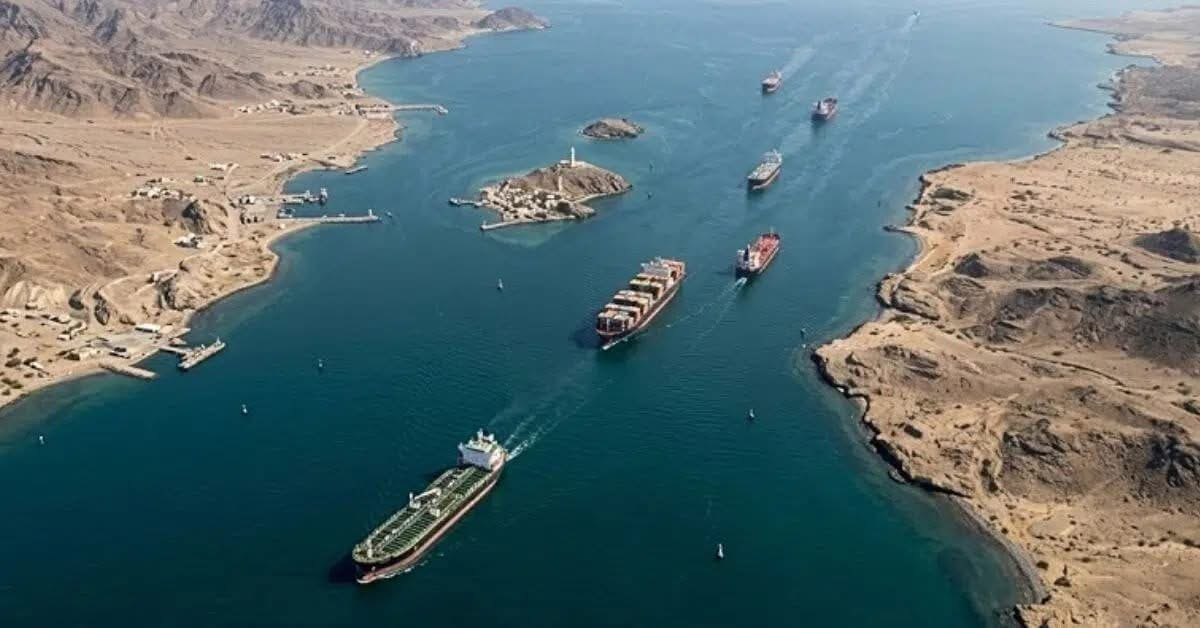
A U.S. blockade of the world’s most critical oil chokepoint could redraw energy trade, pressure China, and force a new Gulf infrastructure race
MARKET INSIDER – The sudden move to effectively choke off the Strait of Hormuz—through which roughly a fifth of the world’s oil flows—signals more than a military escalation. It is a high-stakes geopolitical play that could ripple across global markets, from Beijing’s energy security calculus to Europe’s inflation outlook. For investors and policymakers alike, the message is clear: energy is once again the ultimate leverage in great-power competition.
At the center of the strategy is a direct pressure point on China, the largest importer of Iranian crude. By constraining flows through Hormuz, Washington effectively forces Beijing into a dilemma—either absorb supply shocks or lean harder on Tehran to stabilize exports. This transforms a regional conflict into a global negotiation, pulling China deeper into a crisis it would prefer to manage from a distance.
The move also accelerates a long-discussed but slow-moving shift among Gulf producers. Countries like Saudi Arabia and the UAE have already explored alternative pipeline routes to bypass Hormuz, but a real disruption would fast-track these projects from contingency planning to strategic urgency. In the medium term, this could rewire global oil logistics, reducing reliance on maritime chokepoints while reshaping shipping and insurance markets.
Meanwhile, the blockade strengthens the competitive position of U.S. energy exports. As supply uncertainty rises in the Middle East, buyers from Asia and Europe are likely to increase purchases of American crude and LNG, reinforcing the United States’ role as a dominant energy supplier. Recent shipping patterns already suggest a steady flow of tankers into U.S. ports, hinting at a structural shift that could outlast the immediate crisis.
For Iran, the implications are stark. Restricting its energy exports removes a key source of revenue and leverage, tightening economic pressure and forcing a recalibration at the negotiating table. What Tehran once framed as a threat—disrupting Hormuz—has been turned against it, amplifying the very vulnerability it sought to exploit.
This is not traditional diplomacy. Rather than prolonged negotiation, it reflects a willingness to reset the board entirely—transforming an opponent’s tactic into a strategic advantage. Whether this approach stabilizes markets or triggers deeper fragmentation remains uncertain. But one thing is clear: in the emerging era of energy geopolitics, control over supply routes may matter even more than control over the resources themselves—and that reality will define the next wave of global power shifts.
