
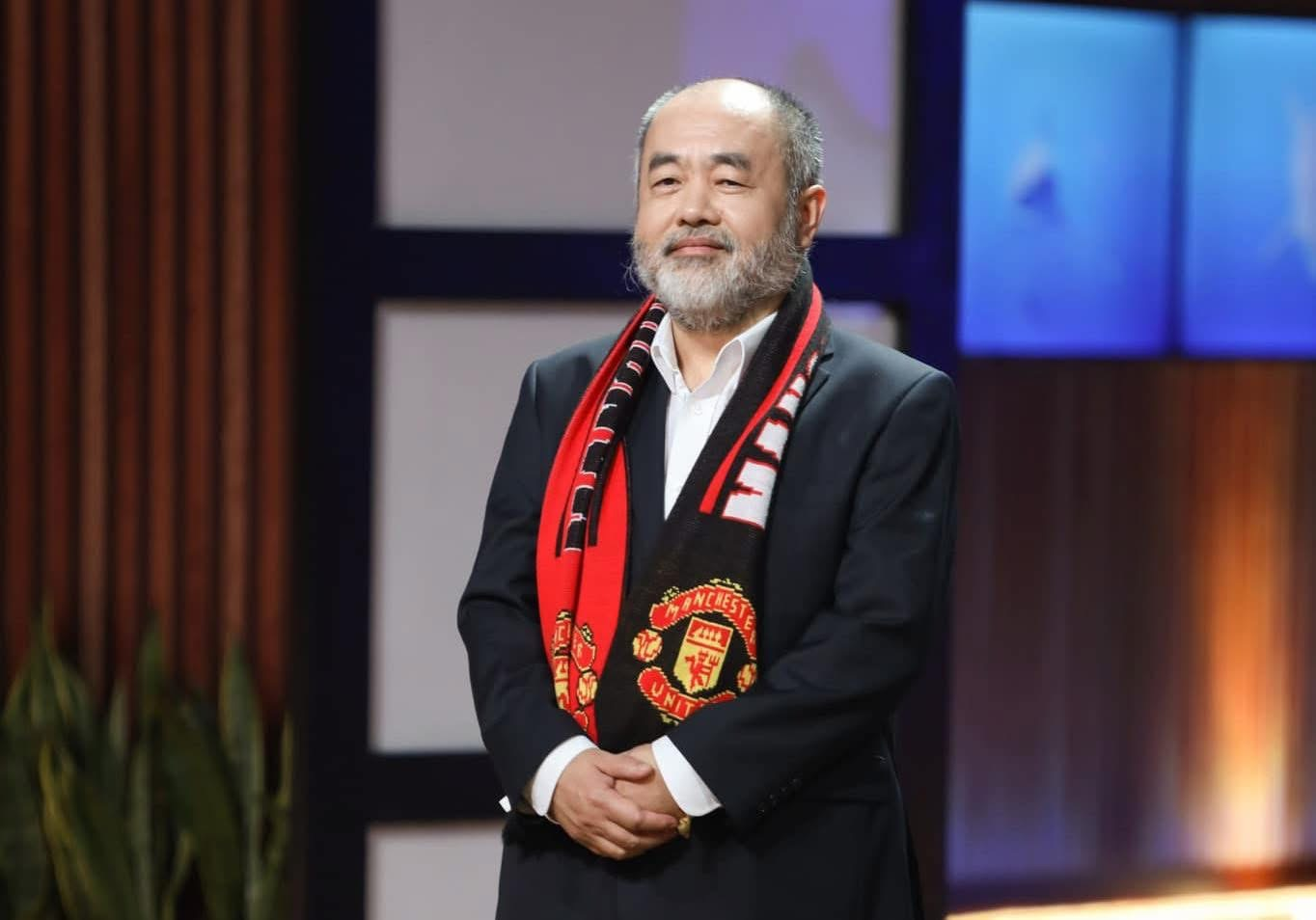
After losing millions, a Vietnamese founder rebuilt a thriving business with just $50,000—offering a blueprint for lean startups worldwide
MARKET INSIDER – In an era where startup headlines are dominated by billion-dollar valuations and aggressive venture capital funding, one Vietnamese entrepreneur is proving a quieter, more resilient path to success—starting over with just $50,000 after burning through millions. The story reflects a growing global shift toward lean entrepreneurship, where discipline, adaptability, and strategic partnerships matter more than capital.
After a failed third startup that consumed millions of dollars and left him mentally exhausted, the founder behind Dh Foods chose a radically different approach. With only VND 1.2 billion (roughly $50,000), less than 1% of his previous capital, he launched his fourth venture—not by scaling fast, but by stripping the business down to its essentials. No lavish office, no in-house factory, no fleet of trucks. Instead, he optimized every cost line, from renting a modest office to outsourcing production and logistics entirely.
This asset-light model became the foundation of Dh Foods’ early survival. Manufacturing was handled by third-party partners, packaging was standardized for multiple product lines, and logistics—often a hidden cost trap for startups—was outsourced through a chance partnership that eliminated the need for upfront capital investment in warehouses and vehicles. In a market like Vietnam, where infrastructure and distribution complexity can make or break consumer brands, this decision proved decisive.
Yet the real test came not from operations, but from distribution. Breaking into modern retail chains in Vietnam—supermarkets and large-scale distributors—remains notoriously complex, with fragmented systems, strict compliance processes, and costly penalties for missed deliveries. Many startups fail at this stage, unable to navigate the operational friction. Dh Foods took the opposite approach: fulfilling every order, even when delivery costs exceeded the value of the goods. It was a counterintuitive bet on long-term relationships over short-term margins—and it paid off as order sizes scaled and logistics costs normalized.
Cash flow, however, remained the defining constraint. Despite aggressive cost-cutting, the company exhausted its initial capital within two years. Unlike many founders who turn to high-interest debt or external investors, the entrepreneur avoided both, relying instead on trust-based funding from close networks and maintaining strict financial transparency. This disciplined growth trajectory—revenues climbing from a few hundred million dong to over VND 30 billion—eventually brought the company to break-even and into a phase of sustainable expansion, with annual growth averaging 50% over six consecutive years.
Today, Dh Foods operates with stable cash flow, ongoing factory investments, and zero bank debt—a rarity in emerging market startups. Its strategy reflects a broader lesson for founders across Southeast Asia and beyond: capital efficiency can be a stronger competitive advantage than capital abundance, especially in volatile or developing markets.
In a global startup ecosystem increasingly questioning the sustainability of “growth at all costs,” this Vietnamese story raises a compelling question: in the next decade, will the winners be those who raise the most—or those who waste the least?
