
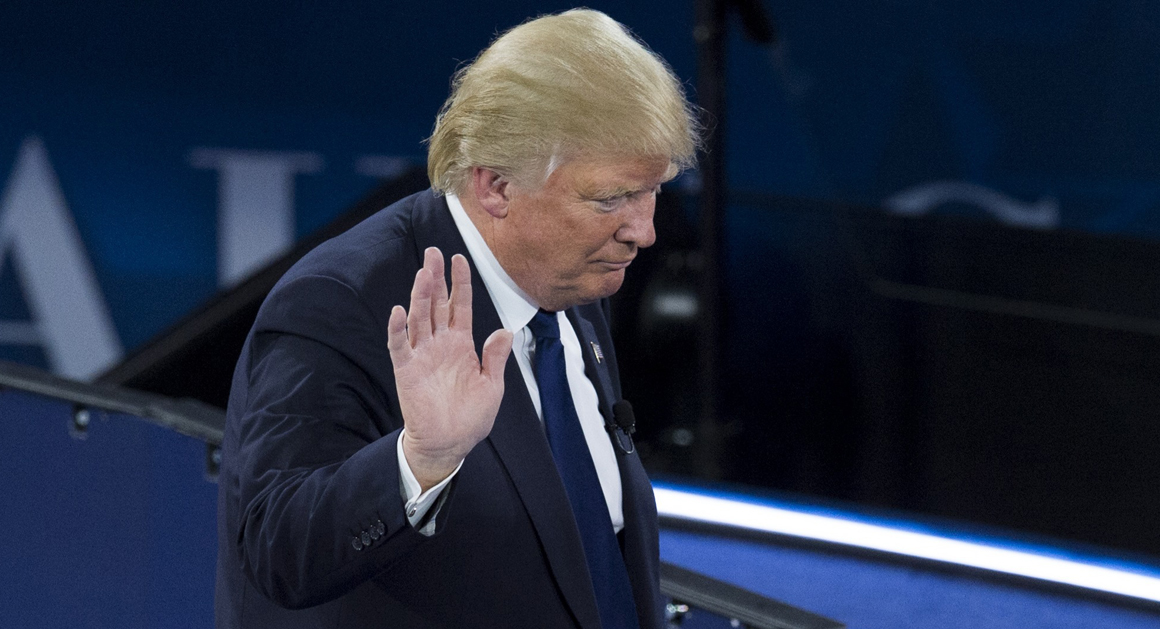
Stalled negotiations over war and nuclear terms tighten supply risks and push energy markets toward renewed volatility
MARKET INSIDER – Global markets are once again on edge as U.S. President Donald Trump signals dissatisfaction with Iran’s latest proposal to end the escalating conflict—dashing fragile hopes for peace and reigniting fears of a prolonged energy shock. With oil flows disrupted through one of the world’s most critical chokepoints, investors are bracing for renewed inflationary pressure and geopolitical risk spilling across continents.
At the heart of the deadlock lies a fundamental sequencing dispute. Tehran’s proposal calls for ending hostilities and resolving maritime tensions before addressing its nuclear program—an approach Washington firmly rejects. For the U.S., nuclear constraints must be front-loaded, a position shaped by the collapse of the Iran nuclear deal after Trump withdrew during his first term, unraveling years of diplomatic progress.
Diplomatic momentum has weakened further as high-level engagements falter. Planned backchannel talks involving U.S. envoys were abruptly scrapped, while Iran’s Foreign Minister Abbas Araqchi intensified shuttle diplomacy across Pakistan, Oman, and Russia—securing support from Vladimir Putin but little tangible progress toward a ceasefire. Tehran insists negotiations must proceed in phases, starting with guarantees against renewed military action and an end to U.S.-led naval restrictions.
Meanwhile, the real battlefield has shifted to global energy supply chains. The Strait of Hormuz—a corridor responsible for roughly 20% of global oil flows—has seen traffic collapse dramatically. From over 120 daily vessel movements before the conflict, recent data shows only a handful of ships transiting the strait, with none carrying oil for export. U.S. enforcement actions have forced multiple Iranian tankers to turn back, intensifying what Tehran has labeled “maritime piracy.”
This supply shock is already feeding into price volatility. Analysts note that rhetoric no longer drives markets—physical disruption does. With constrained flows and rising insurance and freight costs, crude prices are climbing again, raising the specter of a second-wave inflation surge just as major economies attempt to stabilize post-pandemic growth.
Domestically, Trump faces mounting pressure as approval ratings slip, with critics questioning the strategic clarity of a conflict that has yet to deliver decisive outcomes. Iranian officials argue Washington is now seeking negotiations from a weaker position, while still refusing to concede on uranium enrichment rights—one of Tehran’s core demands.
For global investors, the implications extend far beyond the Middle East. The standoff is rapidly evolving into a structural risk for energy markets, supply chains, and monetary policy worldwide. If the deadlock persists, the real question is no longer whether oil will spike—but how high, and which economies will absorb the shock most effectively.
