
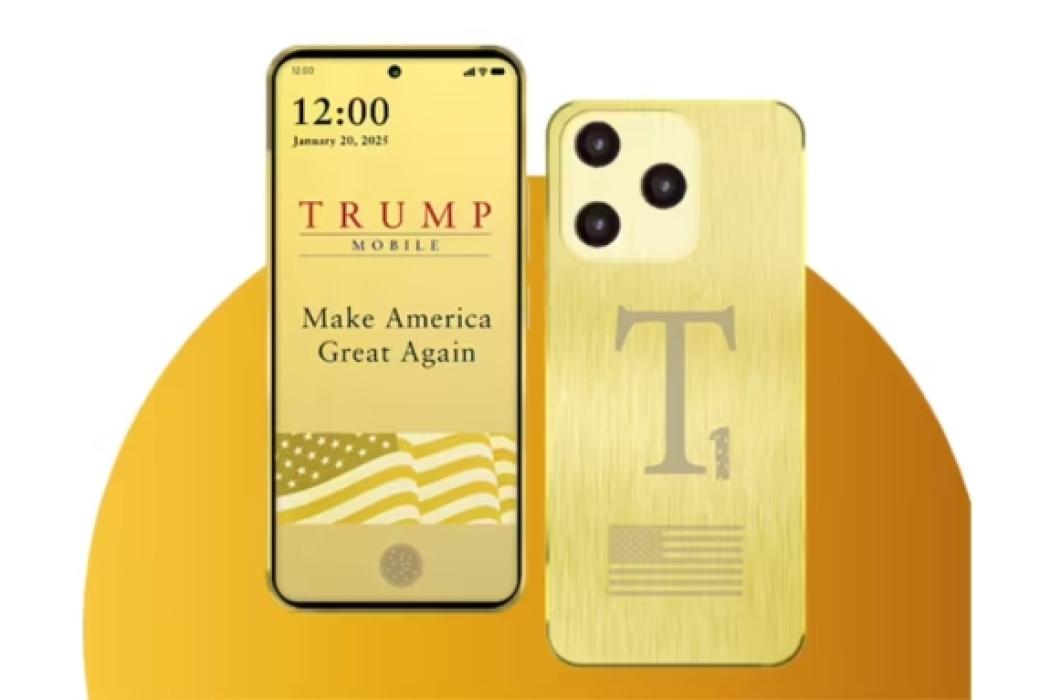
Refund chaos and missing devices fuel scrutiny over Trump Mobile’s $59 million preorder campaign
MARKET INSIDER – The Trump-branded smartphone once promoted as a patriotic “Made in the USA” alternative is now facing growing accusations of being a “vaporware” project after nearly 590,000 customers reportedly paid deposits without receiving a single device. The controversy is rapidly evolving from a niche tech delay into a broader debate over consumer protection, political branding, and trust in celebrity-backed products in the age of online hype.
The saga surrounding the Trump T1 Phone also highlights a larger global trend: high-profile personalities leveraging political influence and loyal fan bases to enter consumer technology markets with limited transparency. As regulators worldwide tighten scrutiny on crowdfunding, preorders, and digital commerce, the Trump Mobile case could become a defining test of how far brand power can stretch before legal and reputational risks take over.
Trump Mobile, launched in June 2025 by the sons of U.S. President Donald Trump, initially promised customers a premium American-made smartphone scheduled for delivery by September 2025. Buyers were asked to pay a $100 deposit to reserve the device, generating what critics estimate to be nearly $59 million in preorder commitments. Yet almost a year later, no confirmed customer deliveries have been reported.
International tech media outlets including Tom’s Hardware have increasingly labeled the T1 Phone a potential “vaporware” project — a term used in the technology industry for heavily marketed products that never officially reach consumers. Concerns intensified after Trump Mobile quietly revised its preorder terms in April, changes that were only recently discovered by customers and journalists.
Under the updated terms, the $100 payment is no longer treated as a direct preorder but merely “an opportunity to purchase” the phone should the company decide to release it in the future. The revised language explicitly states that the deposit does not constitute a purchase agreement, does not guarantee manufacturing, and does not ensure the device will ever be sold. The company also reserves the right to alter specifications, hardware, and features at any time — meaning the final product could differ significantly from the original marketing materials.
Political pressure has also mounted. Earlier this year, 11 Democratic lawmakers reportedly urged the U.S. Federal Trade Commission to investigate Trump Mobile over possible consumer protection violations, questioning whether the company had collected millions of dollars without proving the device actually exists in commercial form.
In an attempt to calm criticism, Trump Mobile executives appeared in an online interview with tech outlet The Verge in February while holding what they claimed was the T1 Phone. However, observers quickly noted that the physical device shown differed sharply from promotional renders on the company’s website, featuring a curved 6.8-inch display and a teardrop-style camera design absent from earlier marketing images. Company representatives later said the project had shifted away from the budget segment toward a more premium smartphone category.
The backlash is now expanding beyond delivery delays. Multiple customers reportedly claim they were denied refunds despite company terms suggesting deposits could be returned. Meanwhile, references to launch dates have quietly disappeared from Trump Mobile’s homepage, fueling speculation that the project may never reach mass production.
For global investors and consumers alike, the Trump T1 Phone controversy underscores a new reality in modern commerce: in an era dominated by influencer economics and political branding, hype can raise tens of millions of dollars faster than products can be built — but trust evaporates even faster when transparency disappears.
