
Investors warn the AI-driven semiconductor rally may be repeating the industry’s oldest mistake: believing the cycle is dead.
MARKET INSIDER – The artificial intelligence boom has turned memory chip makers into some of the world’s hottest stocks, powering rallies in both U.S. and South Korean markets. But veteran investors are warning that the euphoria surrounding AI memory demand may be setting the stage for another painful semiconductor bust — one that could ripple through global equity markets from Seoul to Silicon Valley.
The warning comes as companies like Samsung Electronics, SK Hynix, Micron Technology and SanDisk post staggering gains fueled by explosive demand for high-bandwidth memory (HBM), a critical component used to train and run large AI models such as OpenAI’s ChatGPT. Since the AI race accelerated in late 2022, investors have increasingly bet that this time is different — that AI has permanently changed the economics of the memory industry.
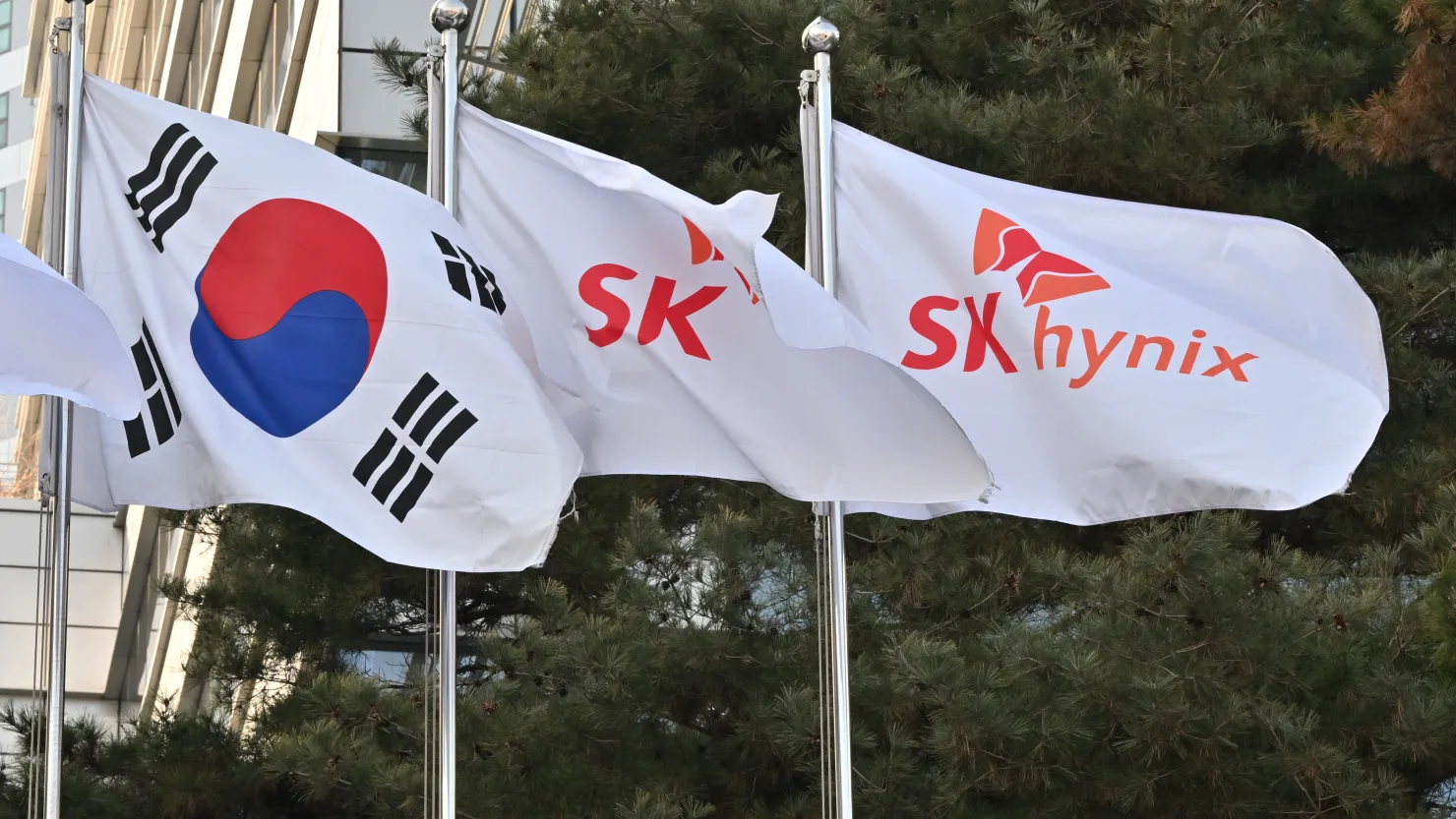
That narrative has sent shares soaring. SK Hynix has surged roughly 186% in 2026, while Samsung has climbed more than 100%. In the U.S., Micron and SanDisk have rallied more than 140% each. The gains have become so dominant that Samsung and SK Hynix now account for more than half of South Korea’s benchmark KOSPI index, creating growing concentration risks for global investors exposed to Korean equities.
Yet experienced fund managers say investors may be ignoring one of the semiconductor industry’s most consistent historical patterns: brutal boom-and-bust cycles. William de Gale, portfolio manager at BlueBox Asset Management, described the memory business as an industry with “enormous ups and downs,” arguing that claims the cycle has disappeared tend to emerge “just before it all goes horribly wrong.”
The concern is not theoretical. New AI breakthroughs could dramatically reduce future demand for memory chips. In March, Google unveiled TurboQuant, a compression technology designed to reduce the memory needed to run large language models by up to six times. The development immediately rattled investors, triggering sharp selloffs in memory-related stocks amid fears that AI infrastructure could become significantly more efficient — and less dependent on expensive HBM chips.
Analysts at Deutsche Bank warned investors to brace for “continuous AI-related disruption,” noting that rapid advances in AI optimization could fundamentally reshape semiconductor demand patterns. If AI models require less memory to operate, today’s massive spending on memory infrastructure may eventually look excessive — a familiar story in an industry notorious for overcapacity and collapsing margins.
At the same time, supply constraints that have supported elevated prices may not last forever. Wealth manager JM Finn expects production capacity to expand meaningfully over the next three years, especially if AI adoption settles into a more sustainable growth pace. That could weaken the supply shortages currently supporting record profits across the sector.
Despite those concerns, bullish sentiment remains powerful. Japanese investment bank Nomura Holdings recently projected that SK Hynix shares could double again over the next 12 months, while Samsung could gain another 20%. The debate now dividing Wall Street and Asia’s investment community is whether AI has truly created a new structural era for memory chips — or merely inflated the latest version of the industry’s oldest bubble.
For global investors, the stakes extend far beyond semiconductors. The AI memory trade has become deeply embedded in broader equity indices, pension funds, ETFs, and sovereign portfolios worldwide. If the cycle turns, the fallout may not stay confined to chip stocks alone.
