
Investors cheer potential end to Middle East tensions as oil tumbles, Fed pressure eases, and SpaceX extends blockbuster debut
MARKET INSIDER — Global markets are betting that a major geopolitical risk may finally be fading. U.S. stocks surged to fresh record highs on Monday after President Donald Trump announced that a framework agreement with Iran had been completed, raising hopes for an end to months of escalating tensions that threatened global energy supplies, inflation trends, and investor confidence.
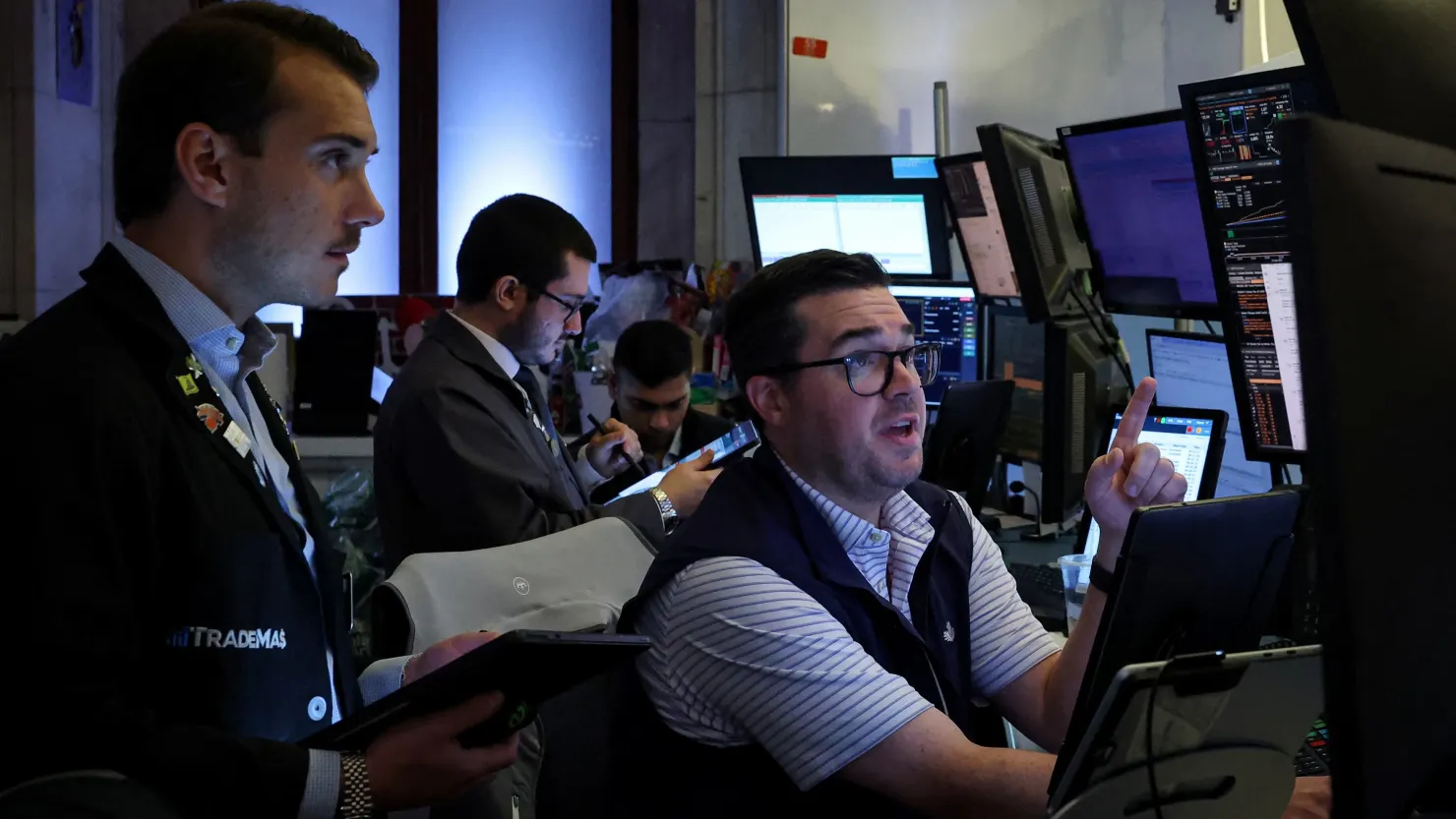
The market reaction was swift and decisive. The Dow Jones Industrial Average jumped more than 600 points to a new intraday record, while the S&P 500 and Nasdaq posted even stronger gains as investors rushed back into risk assets. Beyond Wall Street, the rally reflected a broader belief that easing tensions in the Middle East could reshape the global economic outlook at a critical moment for central banks and financial markets.
According to Trump, the agreement with Iran is expected to be formally signed in Switzerland later this week. The announcement came after renewed uncertainty over the weekend, when exchanges of fire involving Iran-backed Hezbollah and Israel raised concerns that diplomatic efforts could collapse. Instead, markets received a signal that one of the world’s most consequential geopolitical flashpoints may be moving toward de-escalation.
Perhaps the most significant development for investors was the reopening of the Strait of Hormuz, the strategic maritime corridor through which roughly one-fifth of global oil supplies pass. Trump said he had authorized the waterway’s reopening, while Vice President JD Vance indicated that long-term access could remain uninterrupted. Oil prices responded immediately, with U.S. crude falling about 5% to near $80 per barrel, easing fears of an energy-driven inflation shock.
Lower oil prices could have implications far beyond the energy sector. Investors have spent much of the past year worrying that geopolitical disruptions would force the U.S. Federal Reserve to maintain a restrictive monetary stance. The latest decline in crude prices, however, strengthens the case that inflation pressures may continue to moderate. Futures markets now overwhelmingly expect the Fed to keep interest rates unchanged through year-end, reducing uncertainty for businesses, consumers, and global capital markets.
Meanwhile, newly public SpaceX continued to dominate investor attention. Shares of Elon Musk’s space and satellite giant rose more than 7% after soaring 19% during their public-market debut. Unlike many high-profile IPOs that experience extreme volatility, early trading suggests institutional investors are treating SpaceX as a long-term strategic holding rather than a short-term speculative play.
The combination of easing geopolitical risk, falling energy prices, resilient corporate earnings, and renewed enthusiasm for transformative technology companies has created a powerful narrative for markets. Yet the bigger question remains whether this optimism is fully justified. If the Iran agreement holds and energy markets stabilize, the world could be entering a new phase of economic expansion. If not, investors may soon discover that today’s record highs were built on expectations that proved too optimistic.
