
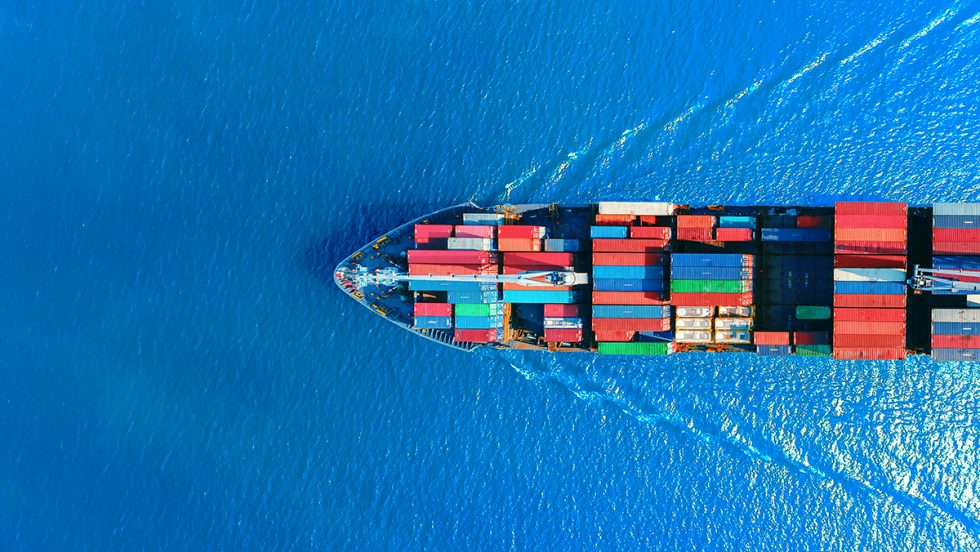
The 10% and 12.5% duties target 60 trading partners over forced-labour rules, preserving a near-global tariff floor after the Supreme Court rejected Trump’s earlier policy.
MARKET INSIDER — The Trump administration will impose new tariffs on imports from 60 trading partners on Friday, replacing a temporary 10% global levy with duties justified by alleged shortcomings in overseas enforcement against forced-labour goods.
The Section 301 tariffs will generally be set at 10% or 12.5% and apply to economies accounting for approximately 99.4% of US imports. Vietnam falls within the group facing the 12.5% rate, potentially increasing costs for exporters unless their products qualify for an exemption.
The measures take effect at 12:01 a.m. Eastern time on July 24, when the temporary tariff expires.
Key highlights
- The US will levy new tariffs on imports from 60 economies. Seventeen trading partners, including India, Indonesia and Cambodia, receive a 10% rate.
- Vietnam, China and most other investigated economies face a 12.5% duty. Special calculations apply to the EU, Taiwan, Japan, South Korea and Switzerland.
- Oil, gas, fertilizer, some food products and goods already covered by Section 232 tariffs are exempt.
- The policy uses Section 301 after the Supreme Court invalidated Trump’s earlier emergency tariffs.
How will the new tariffs work?
Argentina, Bangladesh, Britain, Cambodia, Canada, Ecuador, El Salvador, Guatemala, Honduras, India, Indonesia, Jordan, Malaysia, Mexico, Pakistan, Sri Lanka, and Trinidad and Tobago will generally face a 10% additional duty.
USTR said these economies already maintain an import prohibition, have committed through trade agreements to introduce and enforce one, or operate a partial system restricting forced-labour goods.
For selected products from the European Union, Taiwan, Japan, South Korea and Switzerland, the Section 301 levy will be adjusted for existing most-favoured-nation duties so that the combined rate reaches either 10% or 12.5%.
The remaining investigated economies, including China and Vietnam, will generally face an additional 12.5% tariff. The USTR’s final action followed investigations, consultations, two rounds of hearings and more than 2,100 public submissions.
Goods already in transit will receive a limited exemption if entered before 12:01 a.m. Eastern time on July 28.
Is this a replacement for Trump’s global tariff?
In practical terms, the new policy maintains a broad tariff floor immediately after the temporary 10% duty expires. However, the administration rejects the characterization that it is merely replacing the expiring levy under a different legal provision.
The temporary tariff was imposed for 150 days under Section 122 of the Trade Act after the Supreme Court struck down Trump’s “reciprocal” duties of between 10% and 50%, which had been based on national-emergency powers.
The latest action instead uses Section 301, a long-established mechanism allowing the US to respond to foreign practices that USTR determines are unreasonable, discriminatory or burdensome to American commerce.
That legal basis has survived previous litigation, potentially making the new duties more durable. Challenges remain possible, particularly over whether weak enforcement of forced-labour import bans provides sufficient grounds for tariffs covering such a large share of world trade.
Which products are exempt?
Exemptions include oil and gas, fertilizer, selected food and agricultural products, certain chemicals and raw materials that are unavailable in sufficient quantities domestically.
Autos, steel, aluminum and copper products already subject to Section 232 national-security tariffs are also excluded. Goods meeting US-Mexico-Canada Agreement rules remain exempt because of the highly integrated North American supply chain.
These exclusions reduce the immediate inflation impact but leave consumer goods, manufacturing inputs, electronics, textiles and other traded products potentially exposed.
What the tariffs mean for Vietnam and Asia
Vietnam’s 12.5% rate represents a disadvantage relative to regional exporters such as Cambodia, Indonesia and Malaysia, which secured the lower 10% duty after making or implementing commitments concerning forced-labour imports.
The 2.5-percentage-point difference may appear limited, but it can materially affect industries operating on thin margins or competing directly for US orders. Vietnamese exporters in furniture, electronics, machinery, footwear and other non-exempt sectors will need to assess whether contracts allow tariff costs to be passed to customers.
The policy also gives Hanoi an incentive to adopt a specific prohibition on importing goods produced with forced labour and demonstrate effective enforcement. USTR’s decision to move India and other countries into the lower category shows that regulatory action can influence tariff treatment.
For investors, the broader risks include higher US import costs, renewed supply-chain relocation and retaliation by affected governments. Brazil has already described its treatment as unjustified and indicated that it may challenge the measure at the World Trade Organization.
The immediate market impact will depend less on the headline rates than on product-level exemptions, whether importers can shift suppliers and how quickly trading partners negotiate relief.
