
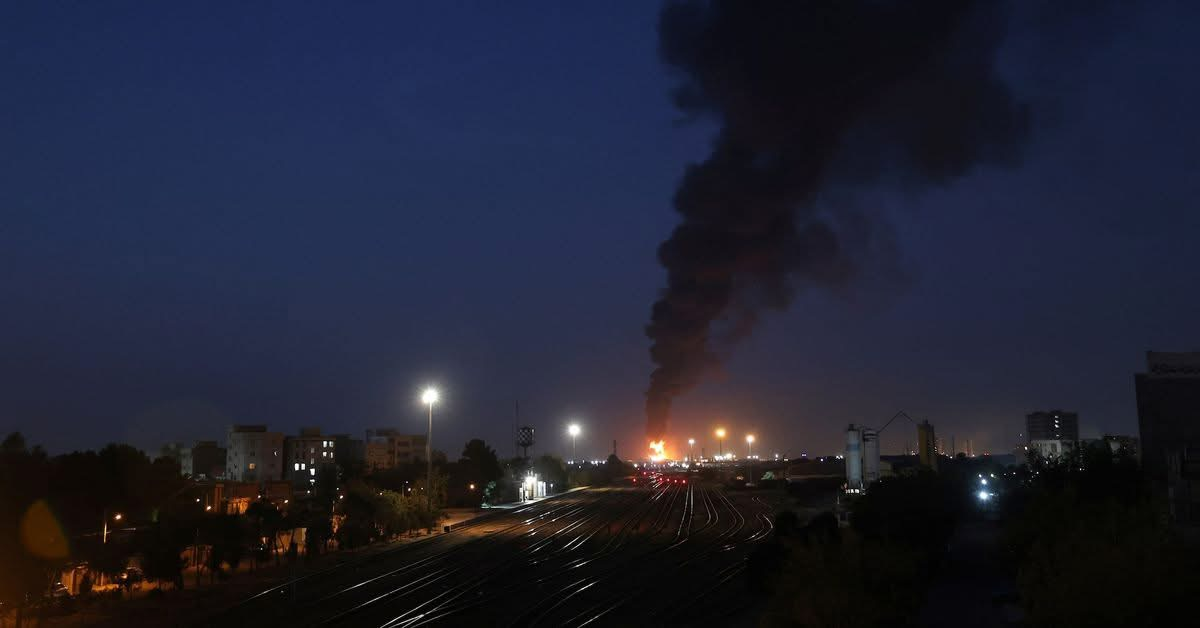
Tehran said it would maintain its restraint only while Washington does the same, leaving the conflict in a fragile pause rather than a formal ceasefire.
MARKET INSIDER — Iran will suspend attacks on US-linked targets for as long as Washington refrains from bombing Iranian territory, a senior Iranian official told Reuters, establishing a conditional “attack for attack” pause after two weeks of escalating conflict.
Neither country had reported fresh strikes by Sunday following 13 consecutive nights of US attacks and Iranian retaliation. Washington said President Donald Trump paused the bombing to give diplomacy more time, but Tehran remains sceptical and has not described the lull as a ceasefire.
Oil prices fell sharply on Monday as markets priced in a reduced risk of immediate escalation.
Key highlights
- Iran said its attacks would remain suspended while the US bombing pause holds. No US or Iranian strikes were reported over the weekend.
- Washington said the pause was intended to create room for diplomacy. US advisers reportedly raised concerns about available targets and pressure on munitions stocks.
- The US naval blockade against Iran remains in force. Brent crude fell more than 5% as the pause reduced immediate supply fears.
What has Iran agreed to?
A senior Iranian official, speaking anonymously, said Tehran would adhere to an “attack for attack” policy: if US attacks stop, Iran will also halt its operations.
The official said that position had already been communicated to Washington. However, no formal bilateral ceasefire, enforcement mechanism or timetable has been announced.
Tehran also doubts that the pause represents a fundamental change in US policy. The Iranian source said officials were more sceptical than optimistic and regarded the halt as potentially tactical.
That caution reflects the collapse of earlier efforts to end the conflict. The latest US campaign followed the breakdown of an interim agreement reached the previous month, Reuters reported.
Why did Trump suspend the bombing?
US Ambassador to the United Nations Mike Waltz said Trump was giving negotiations “a little bit of room,” without identifying the participants, location or terms under discussion.
The diplomatic explanation does not tell the entire story. US military and political advisers reportedly told Trump that the campaign had largely exhausted its pre-selected targets and warned that extended operations could place additional pressure on American munitions inventories.
General Dan Caine, chairman of the Joint Chiefs of Staff, reportedly cautioned that resuming major combat operations would carry risks, including further use of air-defence interceptors deployed across the Middle East.
Those assessments were provided by anonymous sources and have not been publicly confirmed by Caine’s office or US Central Command. Waltz said the military had everything required to continue operating, while acknowledging that the administration inherited depleted weapons stocks, according to Reuters
Is the conflict effectively over?
No. The weekend lull reduces immediate escalation risk but falls short of a comprehensive ceasefire.
The US naval blockade against Iran remains in effect, while the Strait of Hormuz continues to be a central point of dispute. Before the war, roughly one-fifth of global oil flows passed through the waterway.
The conflict has also expanded beyond direct US-Iran exchanges. Iran-aligned Houthi forces have attacked Saudi energy infrastructure and threatened Red Sea shipping, while Saudi-backed forces have retaliated in Yemen.
These separate fronts could undermine diplomacy even if Washington and Tehran continue withholding direct strikes. An attack on US personnel, commercial shipping or Gulf infrastructure could quickly restart the exchange.
How are markets reacting?
Brent crude fell about 5% to below $92 a barrel in early Monday trading, while West Texas Intermediate dropped by a similar amount. The retreat reversed part of the risk premium accumulated during three consecutive weeks of gains, Reuters mentioned.
The price reaction shows how closely markets are connecting the conflict with risks to Hormuz and regional energy infrastructure. A durable cessation of hostilities could lower oil, shipping and insurance costs while easing inflation concerns.
However, a two-day pause does not restore normal energy flows or eliminate the risk of renewed attacks. Oil prices could remain volatile until markets see evidence of formal negotiations, safer maritime transit and a mechanism preventing retaliatory escalation.
For Asian economies heavily dependent on imported energy, an extended pause would reduce pressure on trade balances, consumer inflation and interest rates. Airlines, transport companies and manufacturers would also benefit from lower fuel and logistics costs.
What investors should watch next
The most important signals will be whether US and Iranian forces continue holding fire, whether indirect negotiations produce a defined framework and whether the US modifies its naval blockade.
Investors should also monitor Houthi operations in the Red Sea. Continued attacks there could preserve a significant geopolitical premium in oil even if direct US-Iran fighting remains suspended.
The central distinction is that Washington and Tehran have entered a reciprocal pause—not yet a negotiated peace. Its durability will depend on whether both sides can prevent regional incidents from triggering another cycle of retaliation.
