
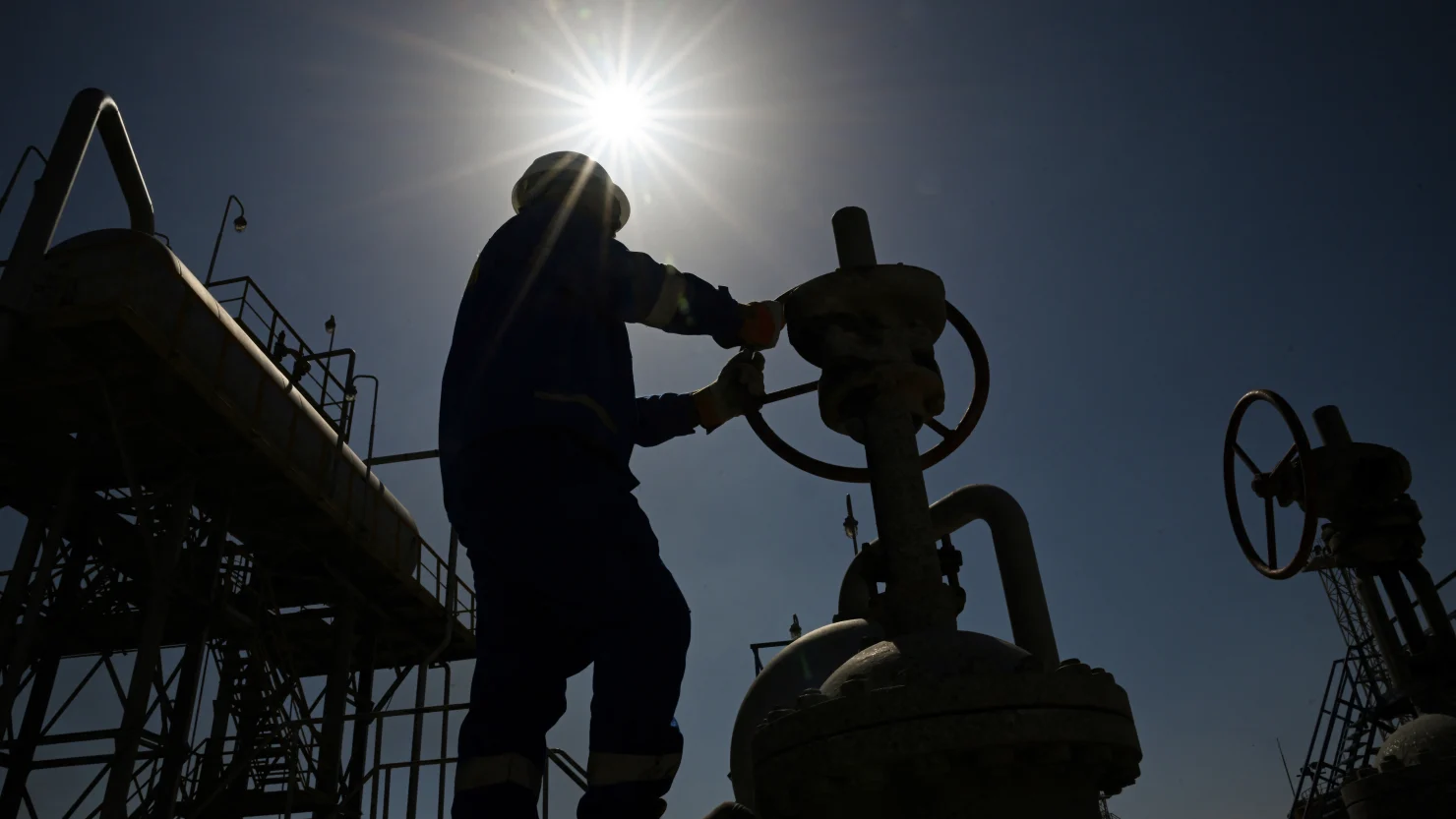
WTI fell more than 2%, but continued attacks and potential refinery disruptions leave fuel markets vulnerable even as crude prices pull back.
MARKET INSIDER — Oil prices declined Monday as traders weighed the threat of further attacks on Saudi Arabian energy infrastructure against the possibility that persistently expensive fuel will weaken consumption.
U.S. West Texas Intermediate futures fell 2.19% to $101 a barrel, while Brent declined 1.89% to $114.51 in the supplied trading snapshot.
The retreat followed Friday’s sharp rally and came despite continued hostilities over the weekend. For investors, the tension is increasingly between the risk of losing supply and the economic damage caused by high prices. Refining constraints add another complication: cheaper crude does not necessarily translate quickly into cheaper gasoline or diesel.
Key Highlights
- WTI fell more than 2% and Brent nearly 1.9% as concerns about weaker consumption countered supply risks.
- Potential refinery damage could keep transport fuels expensive even if crude prices decline.
- Saudi Arabia plans to store crude in Singapore from the second half of 2027, while a targeted U.S. reserve exchange will support a Louisiana refinery.
Supply threats persist despite the pullback
Yemen’s Houthi militants said they targeted Riyadh’s main airport and oil facilities Saturday. Saudi authorities reported intercepting additional missiles and drones Sunday.
The kingdom partially resumed operations at the airport despite damage from earlier attacks, while the Houthis threatened further strikes. Reuters reported that continued attacks kept supply concerns elevated even as oil retreated from near six-month highs.
The immediate market concern extends beyond individual attacks to the resilience of production facilities, refineries, pipelines and export terminals.
Each presents a different risk. Damage to production facilities can reduce available crude, while disruption to a pipeline may force more expensive or slower transport arrangements. Refinery outages can constrain finished fuels even when crude remains available.
Monday’s decline therefore offers little evidence on its own that physical supply conditions have improved.
High prices can undermine consumption
Michael Alfaro, chief investment officer at Gallo Partners, told CNBC that geopolitical uncertainty had added approximately $20 a barrel to oil prices.
That figure is his estimate of the risk premium. The geopolitical component of an oil price cannot be observed separately from other influences such as inventories, demand expectations and trading positions.
Alfaro warned that a substantial attack on Saudi Arabia’s East-West pipeline or additional refining infrastructure could push prices higher. But he also said Brent prices in the $120–$140 range could produce greater demand destruction.
Demand destruction describes a reduction in consumption as buyers respond to costs they cannot readily absorb. Households may reduce driving or travel, businesses may cut fuel-intensive activity, and weaker economic growth can lower demand across several industries.
There is no universal price threshold at which that response begins. Income, exchange rates, taxes, subsidies and available alternatives all affect how consumers respond.
This creates a limit on the market’s upside: the same price increase that compensates for scarce supply can eventually weaken the demand needed to sustain it.
Refining capacity creates a separate vulnerability
Alfaro identified refining capacity as a potentially longer-lasting problem, warning that disruptions could extend into 2027 and beyond.
Crude oil must be processed before it becomes gasoline, diesel, jet fuel and other usable products. If refining capacity is damaged or unavailable, increasing crude supply alone may not resolve a shortage of those fuels.
In that situation, refined-product prices can remain elevated relative to crude. The gap between product prices and crude costs—often described through refining margins or crack spreads—can widen.
For consumers and fuel-intensive companies, this means a fall in Brent or WTI may provide less relief than expected. For refiners, any benefit from stronger product margins depends on whether their own facilities remain operational and can obtain suitable feedstock.
Investors assessing airlines, transport operators and manufacturers therefore need to follow the fuels those businesses actually purchase, alongside crude benchmarks.
Singapore storage plan addresses future resilience
Saudi Arabia plans to begin storing crude in Singapore in the second half of 2027, according to announcements by the countries’ energy ministers.
Reuters reported that the arrangement would use Singapore’s Jurong Rock Caverns and is intended to strengthen supply security for Asian customers.
Keeping inventory closer to buyers could provide a buffer against shipping delays and improve delivery flexibility. However, the timetable makes it a medium-term resilience measure rather than an immediate response to this week’s disruption risks.
Stored crude also needs replenishment and access to functioning refineries. Inventory can bridge an interruption, but its effectiveness depends on the duration and nature of the disruption.
For Asian energy importers, the proposal illustrates the growing importance of supply arrangements that account for transport security as well as purchase price.
U.S. reserve support is targeted
The U.S. Energy Department authorised an emergency exchange of up to 400,000 barrels from the Strategic Petroleum Reserve for Phillips 66’s Lake Charles refinery in Louisiana.
The crude will come from the West Hackberry reserve site to offset temporary delivery disruptions and support continued transport-fuel production. This is a targeted exchange addressing a refinery’s feedstock supply, rather than evidence of a broad new release programme intended to rebalance the global market.
Additional American production may also take time to materialise.
Alfaro said producers were adding some rigs but remained cautious about substantial capital-spending increases. High spot prices do not necessarily justify long-lived investment if companies are uncertain about future prices, costs and returns.
What investors should watch next
The most consequential evidence will come from actual facility outages, export loadings and refinery utilisation. These can show whether threats are becoming measurable supply losses.
Fuel inventories and refining margins will indicate whether shortages are concentrated in crude or finished products. Demand data will help establish whether consumers and businesses are responding to elevated costs.
For Vietnam and other Asian economies, the effects will differ across energy producers, refiners and fuel-consuming businesses. A lower crude price can help import costs, but the benefit may be reduced by currency weakness, freight expenses or persistent shortages of diesel and jet fuel.
The next move in oil will depend on that balance: how much supply is genuinely constrained, and how much consumption the resulting prices can sustain.
