
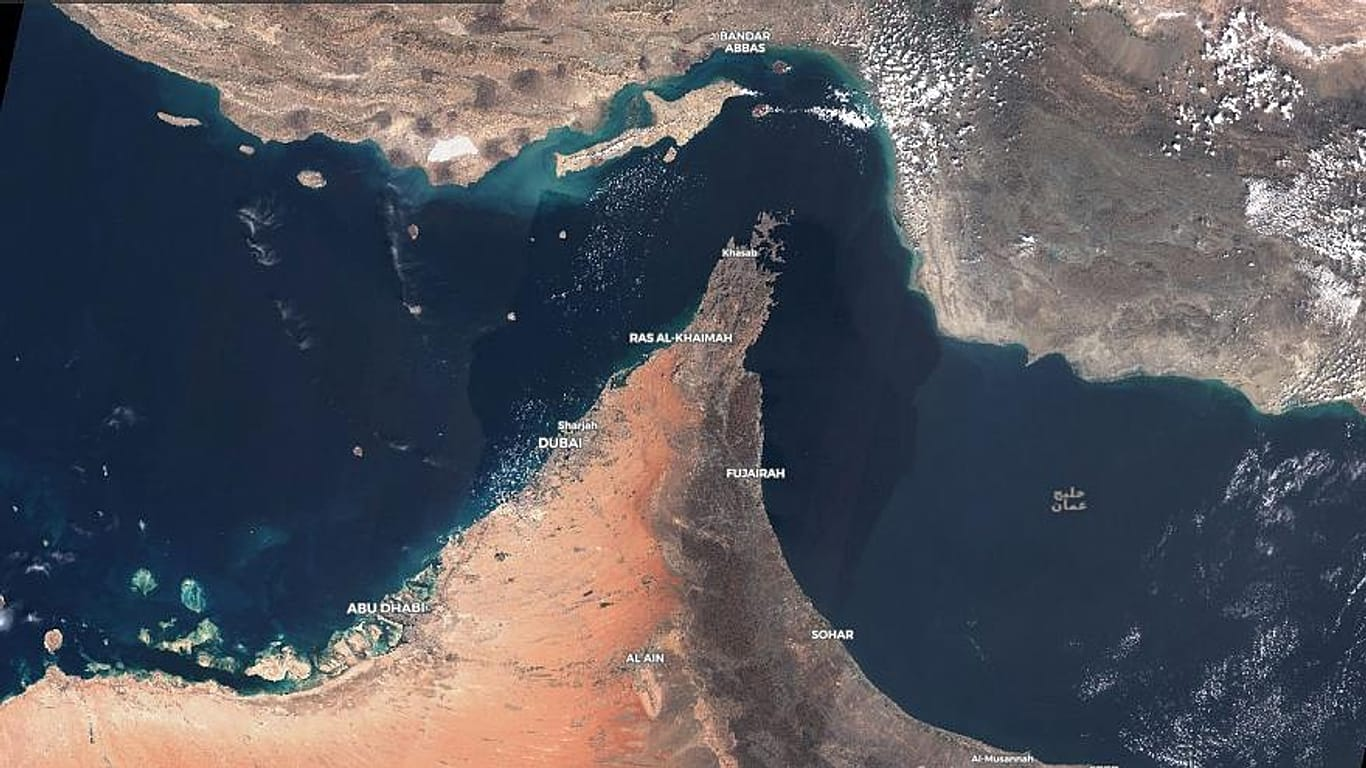
Tehran unveils new control mechanism for the world’s most critical oil chokepoint amid fragile ceasefire talks.
MARKET INSIDER – Iran says it is preparing a new system to control maritime traffic through the Strait of Hormuz, a move that could reshape global energy flows, shipping insurance costs, and geopolitical risk calculations across financial markets.
The announcement comes at a moment when the global economy remains highly sensitive to disruptions in oil supply chains. Roughly one-fifth of the world’s oil consumption passes through the narrow waterway linking the Persian Gulf to international markets, making any change in access rules immediately relevant to traders, governments, and multinational corporations worldwide.
According to Iranian lawmaker Ebrahim Azizi, chairman of Iran’s National Security and Foreign Policy Committee, Tehran has designed a “professional mechanism” to manage traffic through a designated route in the strait. The framework reportedly includes specialized service fees and preferential access for commercial vessels cooperating with Iran, while restricting ships linked to what Tehran describes as hostile states.
The proposal signals a shift from temporary military pressure toward a more institutionalized model of maritime control. Iranian officials argue the mechanism is intended to protect both national sovereignty and international trade security, but critics are likely to view it as an attempt to formalize leverage over one of the planet’s most strategically vital shipping lanes. Under the proposed framework, vessels associated with the U.S.-led “Freedom” naval escort operations could reportedly face restrictions, while Israeli-linked ships may be completely barred from transit.
The move follows months of escalating confrontation between Iran, United States, and Israel, including missile and drone attacks targeting military assets across the region. Iran had previously disrupted maritime traffic through Hormuz in retaliation for U.S.-Israeli strikes, triggering sharp spikes in oil prices and renewed fears of a global energy shock. Although a temporary ceasefire brokered by Pakistan took effect earlier this year, negotiations reportedly stalled amid deep disagreements between Washington and Tehran.
Beyond the immediate security implications, the bigger question for investors is whether Iran is attempting to create a long-term regulatory regime over Hormuz rather than relying solely on military deterrence. If implemented, the mechanism could alter shipping routes, raise transportation and insurance costs, and accelerate efforts by major economies to diversify away from Middle Eastern energy dependence. Ironically, the more aggressively Hormuz becomes politicized, the faster the world may move toward alternative energy corridors and supply chains outside the Gulf.
