
Brent jumps 5% past $106 as Strait of Hormuz tensions reignite global supply fears
MARKET INSIDER – Oil markets are once again pricing in geopolitical risk at full throttle. Crude surged sharply after Donald Trump warned the U.S. would strike Iran “extremely hard” within weeks, rattling hopes for de-escalation and sending a fresh shockwave through global energy markets already on edge.
Benchmark Brent crude climbed 5% to above $106 per barrel, while West Texas Intermediate rose more than 4% past $104, as traders recalibrated the risk of supply disruptions in one of the world’s most critical النفط corridors. At the center of the volatility lies the Strait of Hormuz—a narrow passage responsible for roughly 20% of global oil and gas flows, now effectively paralyzed by escalating conflict between the U.S., Israel, and Iran.
Markets initially showed signs of relief after Trump suggested military operations could wind down within “two or three weeks,” briefly pushing oil below $100. But that optimism quickly evaporated as his rhetoric hardened, with explicit threats of intensified strikes and regime-level consequences for Tehran. The mixed messaging has left investors navigating a fog of uncertainty—one where diplomatic signals and military escalation coexist uneasily.
Tehran has rejected claims of ceasefire overtures, asserting full control over the Strait and dismissing U.S. statements as “absurd.” The absence of clear communication between both sides—and the rapid contradiction of narratives—has become a core driver of market instability. For energy traders, the issue is no longer just supply disruption, but the credibility of information shaping expectations.
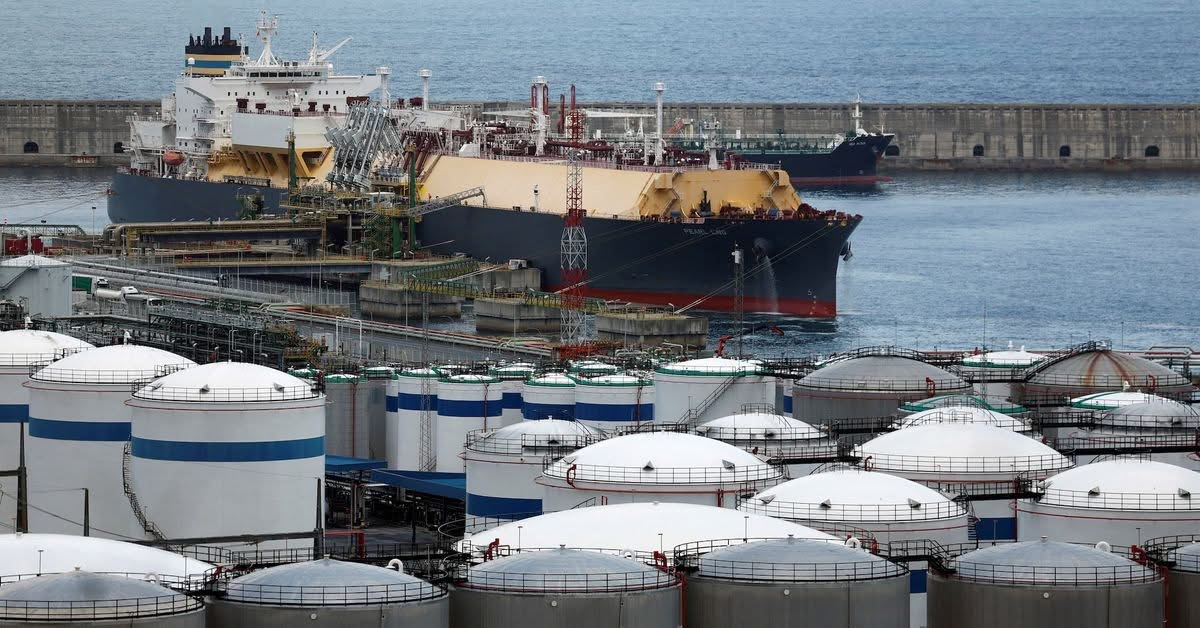
The real-world implications are already visible. A Liberia-flagged tanker docking in Mumbai after navigating the high-risk corridor underscores how fragile and selective maritime flows have become. With shipping insurance premiums rising and routes increasingly contested, even partial disruptions in Hormuz can ripple across global supply chains—from Asian refiners to European consumers.
What makes this moment especially critical is timing. Unlike previous oil shocks, today’s surge intersects with persistent inflation pressures and fragile post-pandemic demand recovery. Higher crude prices risk feeding directly into global CPI, complicating monetary policy decisions from the Federal Reserve to the European Central Bank, and potentially delaying rate cuts markets have been eagerly anticipating.
The deeper question now is whether this is a short-term geopolitical spike—or the beginning of a structurally higher oil regime. If the Strait of Hormuz remains constrained or weaponized, energy markets may be entering a new phase where geopolitical premiums are no longer episodic, but embedded. For investors, the trade is no longer just about oil—it’s about navigating a world where geopolitics, not fundamentals, sets the price.
