
Iran conflict boosts Kremlin revenues—but experts warn Russia’s economy is quietly deteriorating beneath the surface
MARKET INSIDER – Russia is cashing in on the chaos in the Middle East, as surging energy prices triggered by the Iran conflict deliver billions in unexpected revenue. But beneath this short-term windfall lies a far more fragile reality—one that analysts warn could push the Russian economy into irreversible decline.
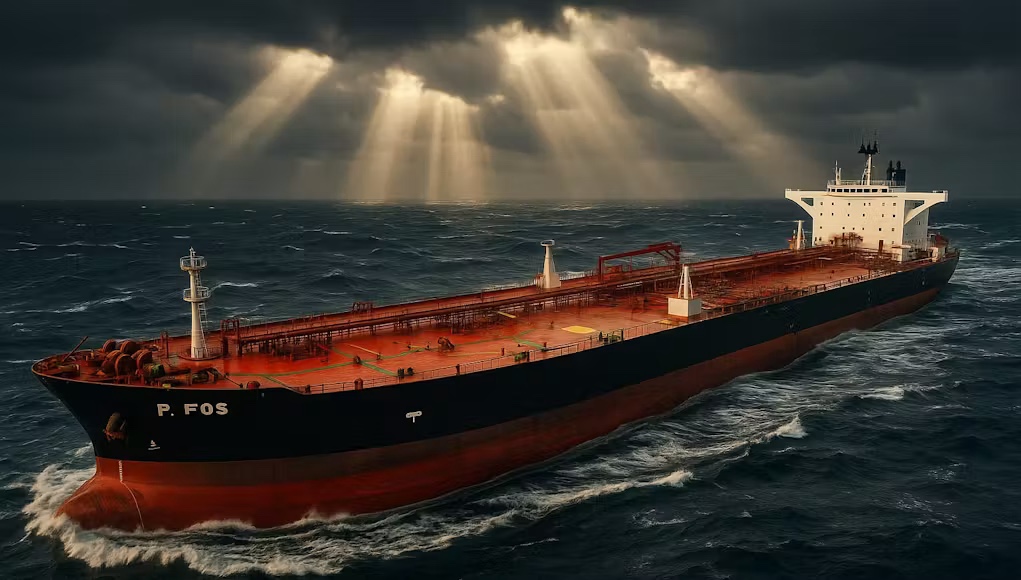
The near shutdown of the Strait of Hormuz has sent global oil markets into shock, lifting benchmark prices and sharply increasing the value of Russia’s Urals crude. For a country under heavy Western sanctions since its 2022 invasion of Ukraine, the timing could not be more critical. Yet while Moscow is benefiting today, the global implications stretch far beyond Russia’s balance sheet—impacting energy security, inflation trajectories, and geopolitical power dynamics across continents.
According to Sergey Vakulenko of the Carnegie Russia Eurasia Center, the price of Russian Urals crude has effectively doubled—from $57 to $115 per barrel—delivering an estimated $9 billion in additional monthly revenue to the Kremlin. Even countries that had been reducing reliance on Russian oil, such as India, are ramping up purchases again, aided in part by temporary U.S. waivers designed to stabilize global supply. The result is a paradox: Western policy aimed at containing inflation is indirectly cushioning Russia’s war economy.
This surge in revenue has provided President Vladimir Putin with critical breathing room. Mounting fiscal pressures—including a $35 billion deficit in just the first two months of the year—had threatened unpopular spending cuts. Now, those decisions can be delayed. The Kremlin is also seeing smaller gains from exports of commodities like aluminum and fertilizers, though these pale in comparison to the oil boom.
Yet the structural weaknesses of Russia’s economy remain acute. Inflation is running at nearly 6%, while interest rates are locked at a punishing 15%, reflecting the central bank’s struggle to contain price pressures fueled by military spending and labor shortages. The economy has increasingly pivoted toward sustaining the war effort, creating imbalances that are difficult to reverse under ongoing sanctions.
Western military analysts argue that this apparent economic resilience is misleading. Retired NATO commander Richard Shirreff describes Russia as operating in a “death zone”—a term borrowed from high-altitude climbing where survival becomes unsustainable over time. In this analogy, the economy is effectively consuming itself to maintain short-term stability, even as long-term damage accumulates.
The geopolitical ripple effects are equally significant. Ukraine faces growing pressure as global attention and military resources shift toward the Iran conflict. Reports suggest that some allies are urging Kyiv to limit strikes on Russian oil infrastructure to avoid further destabilizing energy markets. Meanwhile, U.S. defense priorities are being stretched, with missile deployments in the Middle East reportedly outpacing total support sent to Ukraine over several years.
For global markets, the message is clear: energy shocks triggered by regional conflicts can rapidly reshape economic and political alignments. Russia’s temporary gain highlights a broader vulnerability in the global system—where efforts to stabilize prices can inadvertently empower sanctioned economies.
The real question now is not whether Russia is benefiting—but how long this fragile advantage can last. If history is any guide, windfalls driven by geopolitical crises tend to fade quickly. What remains afterward could determine whether Russia emerges resilient—or whether today’s gains simply mask a deeper, more irreversible decline.
