
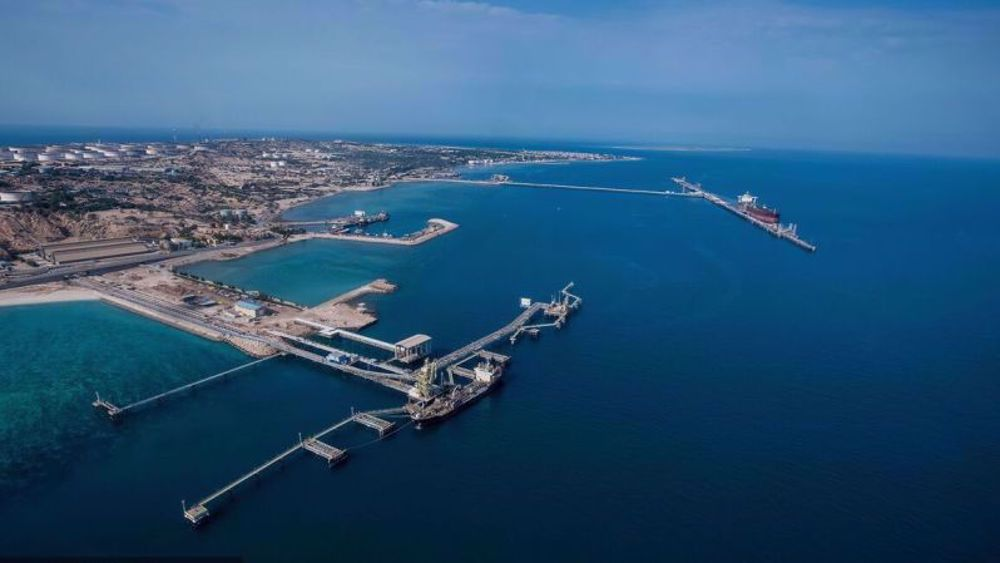
Israeli media reports potential U.S. plan to seize Kharg Island, raising stakes for global energy markets.
MARKET INSIDER – A dramatic escalation scenario is emerging in the Middle East: if diplomacy fails, the United States could move to seize Kharg Island, a strategic hub that handles the vast majority of Iran’s crude exports. The report—citing Israeli sources—highlights how quickly the conflict involving Iran could shift from airstrikes to direct control of critical energy infrastructure.
The implications are global. Kharg Island sits at the heart of Iran’s oil economy, located just 30 kilometers off its coast, and plays a central role in supplying international markets. Any attempt to occupy or disrupt it would represent a major escalation—not just militarily, but economically—potentially triggering a new shock to global energy supply chains.
According to reports, Donald Trump still prefers a negotiated end to the conflict. However, if talks fail, the option of targeting Kharg Island is said to be under consideration as a way to cripple Iran’s export capacity and force concessions. Israeli officials, meanwhile, are reportedly pushing to maximize military pressure by degrading Iran’s production and defense capabilities before any agreement is reached.
The broader conflict continues to intensify. Since late February, coordinated U.S. and Israeli strikes have targeted Iranian military and industrial infrastructure, while Tehran has responded with missile and drone attacks across the region, including against countries hosting U.S. forces. The escalation has already disrupted global markets, aviation routes, and energy flows.
What makes Kharg Island particularly sensitive is its symbolic and strategic weight. Unlike dispersed military targets, it represents a concentrated economic artery. Any move against it would not only escalate the war but also risk a sharp spike in oil prices—far beyond the volatility already seen in recent weeks.
For global investors, this scenario underscores a critical shift: the conflict is no longer just about military positioning, but about control over energy infrastructure. Markets are increasingly pricing not just the risk of disruption, but the possibility of targeted actions that could reshape supply dynamics overnight.
The key question now is whether diplomacy can outpace escalation. If negotiations fail and strategic assets like Kharg Island become targets, the conflict could enter a far more destabilizing phase—one where the economic consequences extend well beyond the region and into every major market worldwide.
