
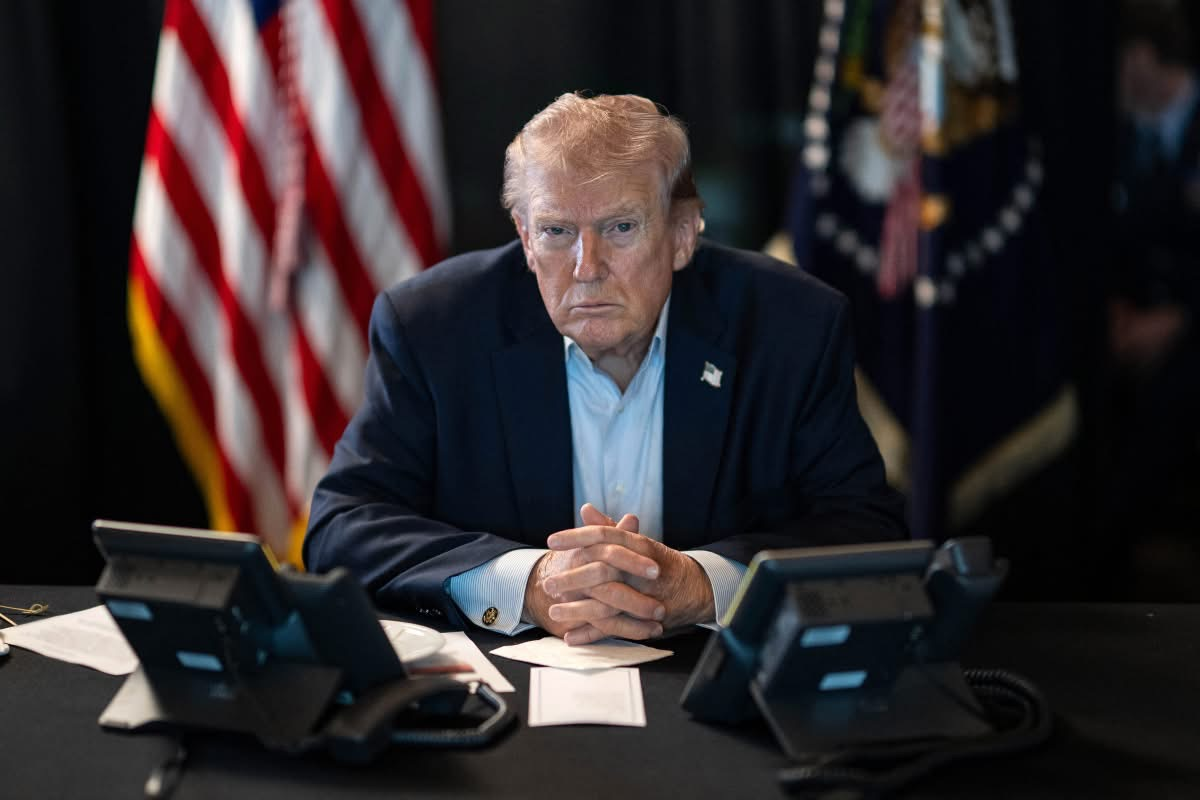
Iranian state media outlined sweeping demands, but the U.S. president says the reported terms bear “no relation to the truth” as markets bet on a breakthrough.
MARKET INSIDER – Hopes for a breakthrough in the four-month U.S.-Iran conflict were shaken Friday after President Donald Trump forcefully rejected details of a purported peace agreement circulated by Iranian state media, while simultaneously condemning what he described as a new drone attack targeting vessels linked to Indian shipping near the Strait of Hormuz.
The dispute highlights the fragile nature of negotiations that could reshape global energy markets, regional security, and international trade flows. Investors had spent much of the week pricing in a potential diplomatic breakthrough, helping push global equities higher and oil prices lower on expectations that one of the world’s most important geopolitical flashpoints could soon be defused.
In a series of sharply worded remarks, Trump dismissed reports published by Iran’s Mehr News Agency, which claimed a draft agreement would require the United States to lift oil sanctions, release a significant portion of Iran’s frozen assets, and end naval restrictions before final negotiations could proceed. The reported proposal also included commitments related to reopening the Strait of Hormuz and reconstruction assistance for Iran.
“What they said, including their weak and pathetic statement on having a deal, bears no relation to the truth,” Trump wrote on Truth Social, accusing Iranian officials of acting in bad faith and describing them as “very dishonorable people to deal with.”
The president’s comments came just hours after reports emerged of another security incident involving commercial shipping in the Gulf region. Trump blamed Iran for what he described as a drone attack against Indian vessels departing the Strait of Hormuz, calling the incident “totally unacceptable” and warning Tehran to “get their act together, and FAST.” The allegations surfaced amid heightened tensions following complaints from India regarding attacks on commercial vessels carrying Indian mariners in the Gulf of Oman.
Despite the heated rhetoric, expectations for a diplomatic settlement remain alive. Trump said earlier this week that a peace agreement could be finalized within days, and multiple reports suggest negotiations have reached their most advanced stage since the conflict began. According to reports, a signing ceremony could potentially take place in Switzerland ahead of next week’s G7 summit, where world leaders are expected to discuss the broader implications of Middle East stability for global economic growth and energy security.
The outcome carries enormous significance for financial markets. The Strait of Hormuz remains one of the world’s most critical energy chokepoints, handling roughly a quarter of global seaborne oil shipments and a substantial share of international liquefied natural gas trade. Any agreement that reduces the risk of disruption could ease inflationary pressures, stabilize energy prices, and improve global growth expectations at a time when central banks are closely monitoring geopolitical risks.
Markets reacted positively to the possibility of peace. European equities rallied strongly, with major benchmarks posting gains of around 2%, while oil prices retreated as traders reduced geopolitical risk premiums. The moves reflected growing investor belief that a negotiated settlement could eventually restore stability to one of the world’s most strategically important regions.
Yet a fundamental question remains unresolved: are Washington and Tehran genuinely close to an agreement, or are both sides publicly promoting vastly different versions of what a deal should look like? The answer may determine not only the future of U.S.-Iran relations, but also the trajectory of global energy markets, inflation, and investor sentiment for the remainder of 2026. If negotiations collapse after markets have already priced in peace, the next move in oil—and risk assets—could be far more dramatic than the rally seen this week.
