
Tehran signals imminent breakthrough as both sides hint at the closest moment to a US-Iran agreement in years
MARKET INSIDER – A potential breakthrough between Iran and the United States could arrive within days, raising the prospect of a major geopolitical reset that may reshape global energy markets, Middle East security, and international trade flows. If finalized, the agreement would mark the closest Washington and Tehran have come to ending one of the world’s most consequential standoffs in decades.
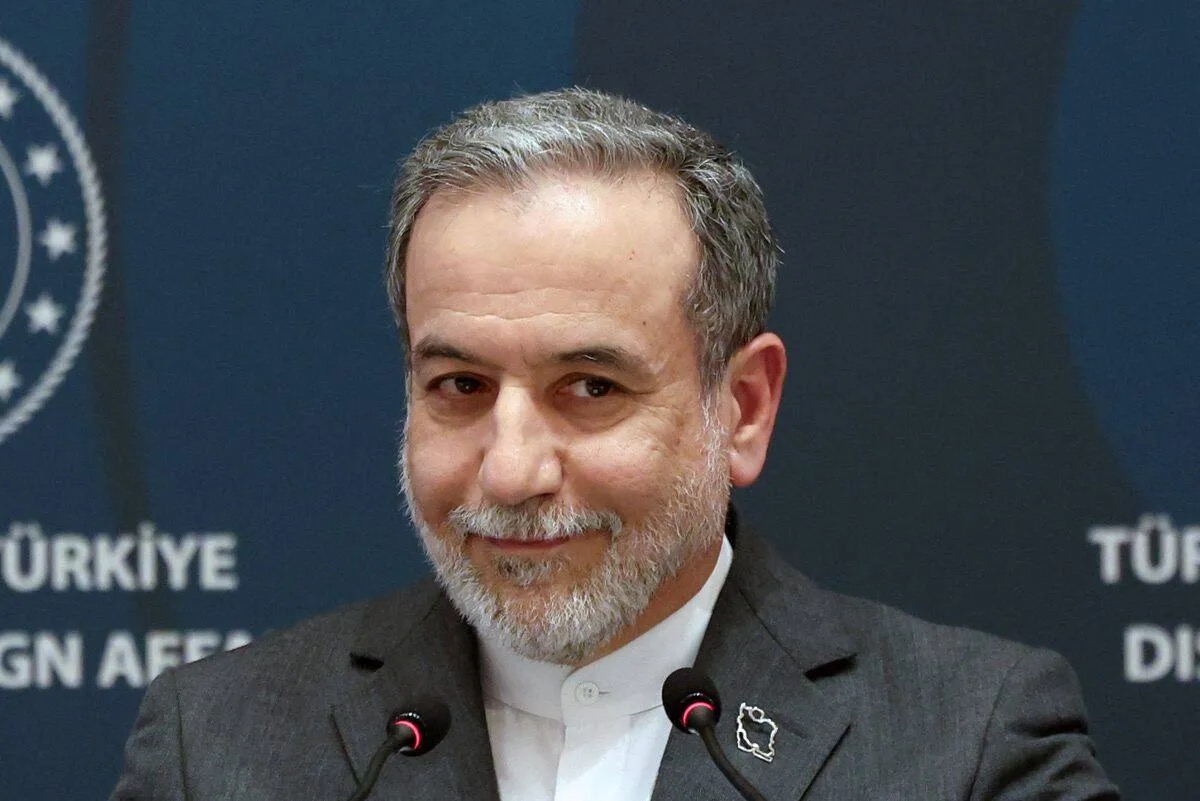
Iranian Foreign Minister Abbas Araghchi said Friday that a memorandum of understanding with the United States is nearing completion and could be signed remotely through a digital process before being formally announced. His comments come amid growing signals from both sides that negotiations have entered their final phase, with regional mediator Pakistan playing a central role in brokering the deal.
According to Araghchi, one of the agreement’s most significant provisions would be the complete removal of US restrictions on Iranian ports imposed in April. Such a move could reopen critical trade routes, ease pressure on Iran’s economy, and potentially increase the country’s participation in global energy and shipping markets. Investors are closely monitoring developments as any normalization of trade could influence oil prices, tanker traffic, and supply-chain stability across Asia and Europe.
The talks also carry major implications for the Strait of Hormuz, the strategic maritime chokepoint through which a substantial share of global oil exports passes. Araghchi indicated that Iran intends to change how the waterway is managed in the future and confirmed ongoing discussions with Oman. The statement underscores Tehran’s view of Hormuz as a key strategic lever, even as negotiations move toward de-escalation.
Nuclear issues remain unresolved but appear to be moving into a separate negotiation track. Araghchi said discussions over Iran’s stockpile of highly enriched uranium would continue for 60 days after the signing of a preliminary framework. Tehran maintains that any solution must involve dilution of the material inside Iran, a longstanding position that has historically complicated diplomatic efforts.
Despite the optimism, political risks remain high. Araghchi warned that opponents of the deal, particularly Israel, could attempt to derail the process. He also argued that Iran emerged stronger from its recent confrontation with the United States, framing the agreement as evidence of Tehran’s resilience rather than concession.
The mixed messaging from Washington reflects both opportunity and uncertainty. President Donald Trump initially accused Iran of misrepresenting the terms under discussion and questioned Tehran’s sincerity. Yet later, he shared Araghchi’s statement on social media highlighting that the two sides had “never been closer” to an agreement. A senior US official echoed the sentiment, telling AFP that the chances of a deal have risen to roughly 80-85%, while Pakistani Prime Minister Shehbaz Sharif declared that the final peace text has already been agreed upon.
If the so-called “Islamabad Memorandum” is ultimately signed, it could become one of the most significant diplomatic developments of 2026. Beyond ending a dangerous regional confrontation, it may unlock a new chapter for global energy markets, reduce geopolitical risk premiums, and challenge long-held assumptions about US-Iran relations. The bigger question for investors now is not whether a deal is possible—but whether the political forces opposing it can stop it before the ink dries.
