
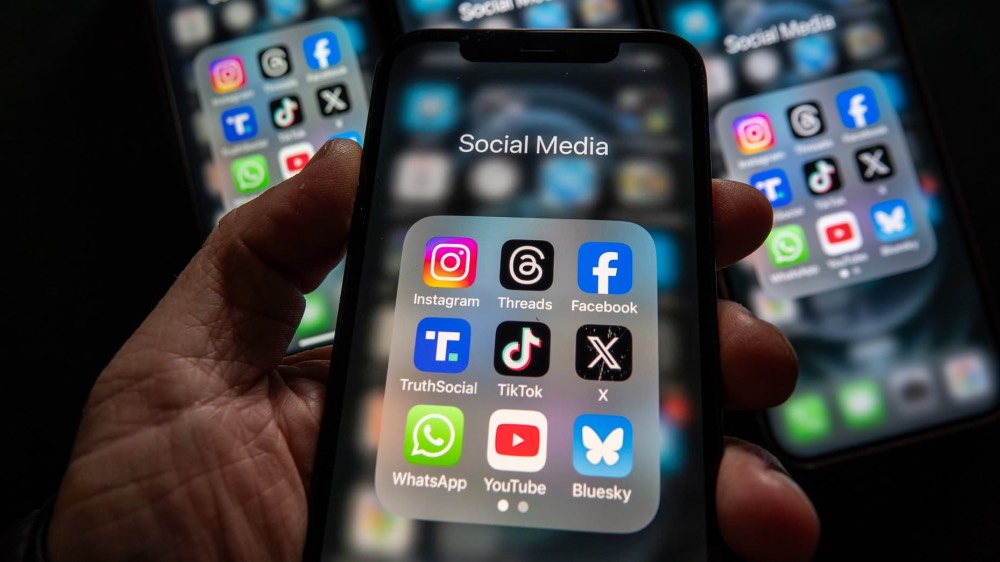
The shift from ‘Social Graph’ to ‘Interest Graph’ is reshaping digital ad spend, media, and the power of global influencers.
MARKET INSIDER – Meta Platforms (formerly Facebook) is no longer a social network; it is now the world’s most powerful content-discovery machine. In a seismic strategic shift, CEO Mark Zuckerberg has quietly completed the platform’s transition from prioritizing connections with friends and family (the ‘Social Graph’) to a pure AI-driven recommendation engine focused solely on user interests (the ‘Interest Graph’). This move, mirroring the viral success of TikTok, is a massive bet that dictates where billions in digital advertising revenue will flow and immediately obsolesces the business models of countless digital creators and global media companies. For investors and advertisers, the stakes are clear: follower counts are now decorative; raw content performance is the only currency that matters.
This wholesale operational overhaul is powered by a unified, AI-first ranking model that dictates distribution across Newsfeed, Reels, and Watch. The core innovation is that content from strangers—if deemed engaging by the algorithm—is now weighted more heavily than content from existing followers. Meta’s AI evaluates every piece of content based on six critical signals, moving far beyond simple ‘Likes’: 1) Watch Time & Completion Rate, 2) Rewatch frequency, 3) Quality of Engagement (meaningful comments, shares, saves), 4) Intent (subsequent searches or same-topic consumption), 5) Originality (penalizing repurposed or scraped content), and 6) Emotional Resonance. A strong performance across just a few of these signals can see distribution multiply by 10x or 50x, turning niche stories into overnight global phenomena.
The new rule for the creator economy is Content Market Fit. Creators and marketers must abandon self-serving content strategies and instead focus entirely on what the market demands. This shift is driving a global preference for authentic, raw, and highly emotional video, specifically in the 30–45 second ‘sweet spot,’ which Meta’s data shows achieves the highest retention rates. The platform now actively favors formats with a POV + Twist or serialized content, which drives the crucial ‘Intent’ signal. For businesses, this means the polished, high-production corporate video is being replaced by fast, unedited, human-centric narratives designed to hook viewers within the first three seconds.
The distribution cycle itself is ruthless: a video gets an Initial Micro Test with a small, relevant audience within 20 minutes. If engagement signals are weak, it dies immediately. If successful, it proceeds to a Broader Audience Test over two hours, which determines if the video is deemed worthy of global scale. This rapid-fire filtration system has profound implications for brand safety and content moderation, but it has fundamentally leveled the playing field: a high-quality, emotionally resonant piece of content from a complete newcomer can now reach millions of global users faster than a major news outlet.
The bottom line for any global business or investment fund is that Meta is creating a self-sustaining, multi-billion-dollar creator pipeline—one that is both highly profitable and extremely volatile. By turning followers into footnotes and AI into the sole gatekeeper, Meta is effectively outsourcing its content curation to the world, offering financial incentives (from subscriptions to Reels monetization) that establish content creation as a legitimate, high-return profession.
This AI-driven mandate for authenticity and emotional immediacy signals the end of the calculated influencer era and the rise of decentralized content ecosystems. The winning strategy is no longer to own the audience on Facebook, but to use its global distribution power as a viral entry point to build brand equity and direct-to-consumer funnels (via email, website, or private groups). Businesses must treat Facebook not as their home, but as a hyper-efficient, if unforgiving, highway to their ultimate destination.
