
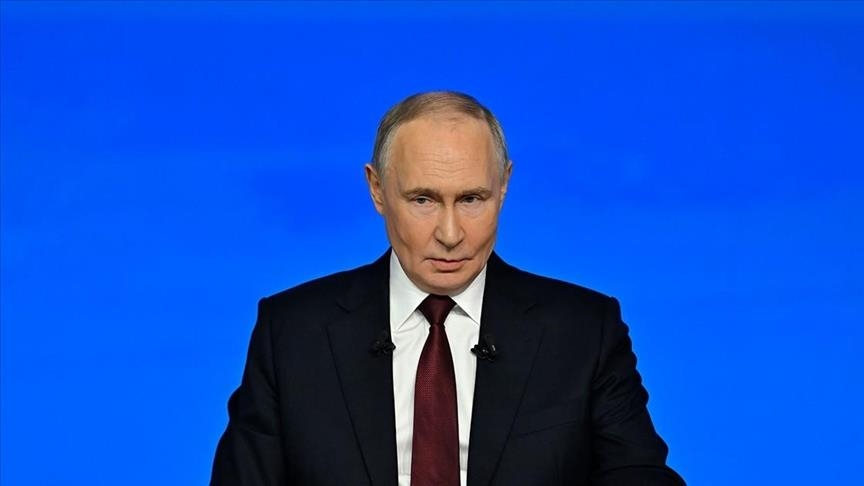
Putin reports GDP down 2.1% despite low unemployment, highlighting fragile balance amid global energy volatility.
MARKET INSIDER – Russia’s economy is showing early signs of strain, even as global energy prices surge. President Vladimir Putin confirmed that the country’s GDP declined 2.1% year-on-year in January, underscoring growing pressure on economic activity despite relatively stable labor conditions.
Speaking in Moscow, Putin pointed to weakening macro indicators, with industrial production also slipping 0.8%, reflecting softer domestic demand and broader structural challenges. While mining output posted a modest 0.5% increase, the data predates the recent spike in global energy prices—suggesting any upside from higher oil and gas revenues has yet to fully materialize.
The figures highlight a complex economic picture. On one hand, Russia continues to benefit from elevated hydrocarbon prices driven by geopolitical tensions involving Iran and disruptions to global supply routes. On the other, underlying growth momentum appears to be weakening, raising questions about the sustainability of its recovery trajectory.
Despite the contraction, key stability indicators remain intact. Unemployment held at a low 2.2%, while inflation stayed below 6% annually, suggesting that the labor market and price environment are not yet under severe stress. Still, Putin emphasized the need to return to “sustainable economic growth” while maintaining inflation control and labor market stability.
In a notable policy signal, the Russian leader urged oil and gas companies to use windfall revenues from rising energy prices to reduce debt and strengthen balance sheets, particularly by repaying obligations to domestic banks. The recommendation points to a broader strategy of reinforcing financial resilience amid uncertain global conditions.
For global investors and policymakers, Russia’s latest data offers a reminder that high commodity prices do not automatically translate into broad-based economic growth. Structural constraints, industrial weakness, and geopolitical uncertainty continue to shape the outlook.
The bigger question now is whether elevated energy revenues can offset deeper economic headwinds—or whether Russia’s economy is entering a more prolonged period of stagnation beneath the surface of headline resilience.
