
Beijing seeks safe passage for energy shipments as global oil supply faces major disruption
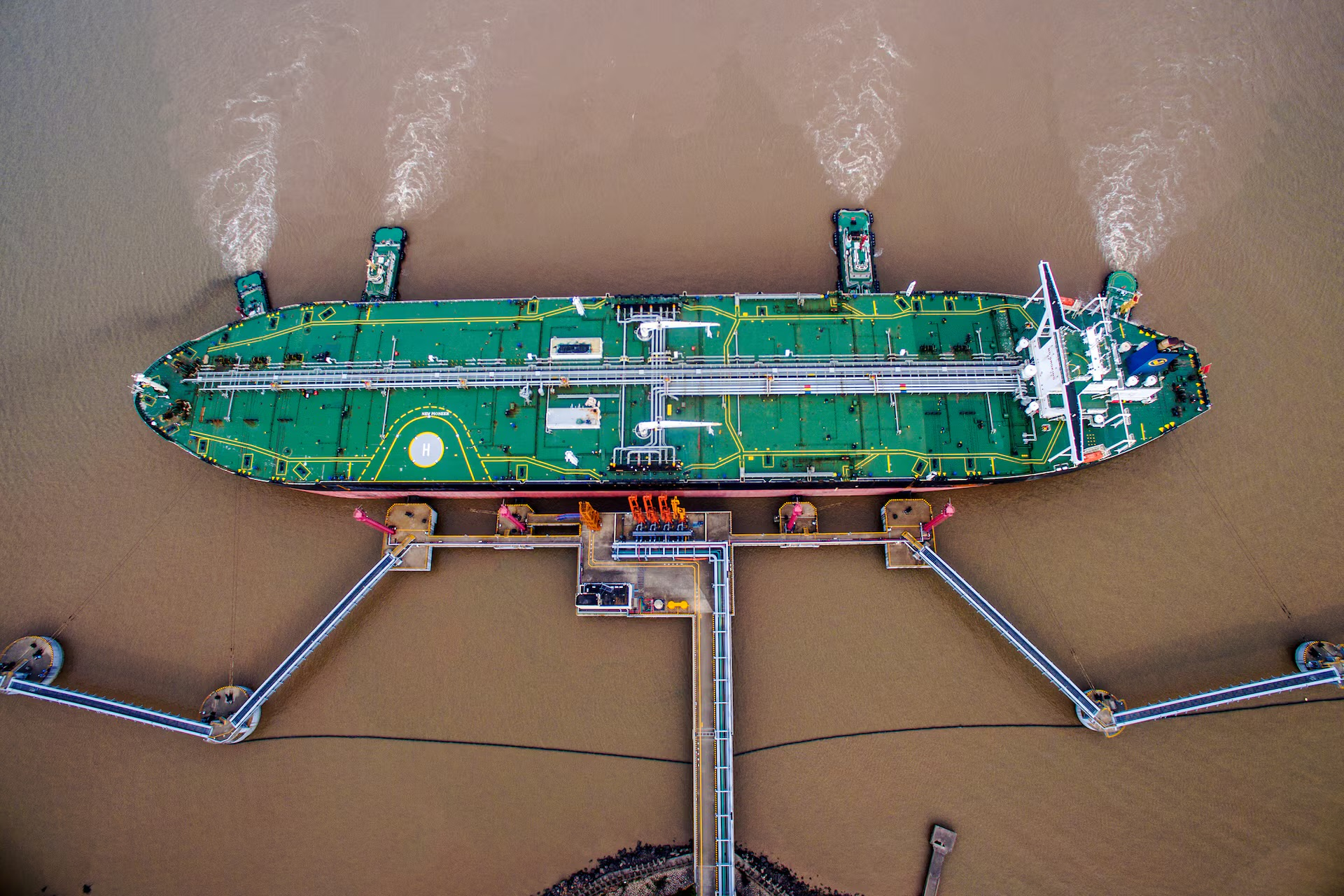
MARKET INSIDER – China is quietly negotiating with Iran to allow oil and gas tankers safe passage through the Strait of Hormuz, as the escalating U.S.-Israeli war on Tehran threatens to choke one of the world’s most critical energy corridors. The diplomatic effort underscores how rapidly the conflict is reshaping global energy security and forcing major economies to intervene.
According to diplomatic sources cited by Reuters, Chinese officials are pressing Tehran to permit vessels carrying crude oil and liquefied natural gas—particularly shipments linked to Chinese buyers and Qatari exports—to transit the strait despite the ongoing conflict. The narrow waterway between Iran and Oman handles roughly one-fifth of global oil and LNG supplies, making any disruption a direct shock to international energy markets.
The urgency reflects China’s deep reliance on Gulf energy. The world’s second-largest economy sources about 45% of its imported crude from shipments that pass through the Strait of Hormuz. As missile strikes and naval tensions intensified this week, tanker traffic through the channel collapsed dramatically, with vessel tracking data from Vortexa showing transits plunging from a typical 24 tankers per day to just four after hostilities began.
Energy markets have reacted swiftly. Global oil prices have climbed more than 15% since the conflict erupted, fueled by fears of prolonged supply disruptions and attacks on Gulf energy infrastructure. Iran’s missile strikes have reportedly reached targets across the region—from Cyprus to Azerbaijan and Turkey—further unsettling investors and raising inflation concerns worldwide.
There are early signs that China’s diplomatic push may be gaining limited traction. A tanker identified as the Iron Maiden successfully transited the strait after signaling Chinese ownership, although only a handful of vessels have made the journey. Meanwhile, hundreds of tankers remain stranded in the area awaiting clarity on whether safe passage will be allowed.
Iran has indicated that ships linked to the United States, Israel, and their allies will not be permitted through the strategic chokepoint. Notably, Tehran’s warnings have not explicitly mentioned China, reflecting the close economic and diplomatic ties between the two countries.
For global markets, the episode highlights how the Hormuz crisis is evolving into a geopolitical contest over energy supply chains. If China succeeds in securing preferential access to Gulf oil shipments, it could reshape trade flows and leave Western economies competing for tighter supplies elsewhere.
In a world increasingly defined by energy security and geopolitical rivalry, the battle over who controls access to Hormuz may prove just as consequential as the war unfolding around it.
