
Markets rally on de-escalation hopes; oil plunges 7-8%, lifting cyclicals while energy stocks lag
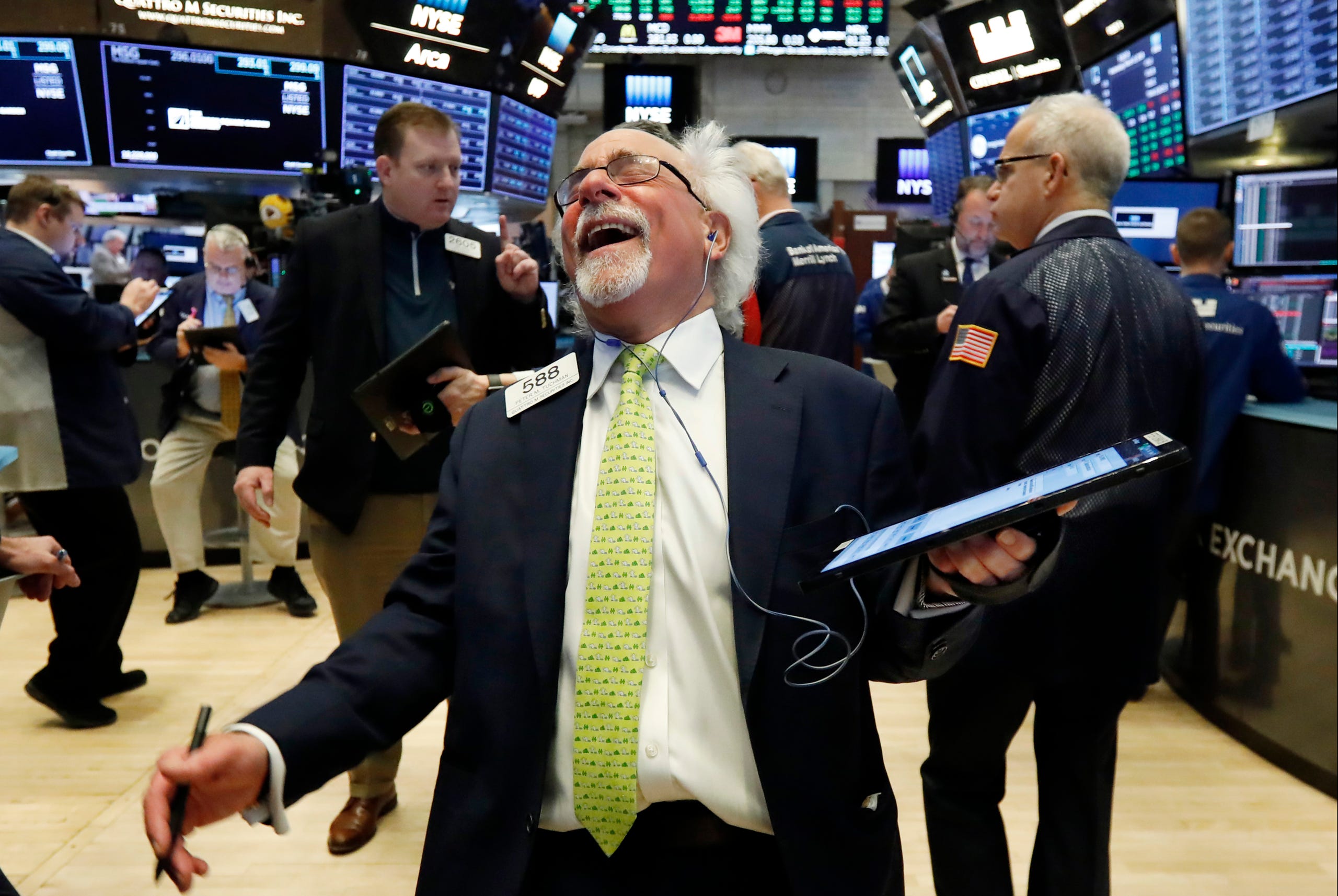
MARKET INSIDER – U.S. stocks exploded higher at the open Monday, March 23, 2026, with the Dow Jones Industrial Average jumping 829 points (1.8%), the S&P 500 rising 1.4%, and the Nasdaq Composite gaining 1.6%—a sharp reversal from pre-market futures that had pointed to further losses amid the grinding Iran war. The catalyst: President Donald Trump’s Truth Social announcement that the U.S. and Iran held “very good and productive conversations” over the past two days toward a “complete and total resolution” of hostilities, prompting him to order a five-day postponement of strikes on Iranian power plants and energy infrastructure.
The pause—conditional on continued progress in talks—superseded Trump’s Saturday 48-hour ultimatum threatening to “obliterate” power plants unless the Strait of Hormuz reopened. While Iranian state media later denied direct talks, the initial signal was enough to trigger broad risk-on flows. Dow futures briefly spiked over 1,000 points intraday before paring gains slightly.
Crude prices collapsed in tandem: WTI futures fell more than 7% to around $90 per barrel, while Brent dropped over 8% to $102—the sharpest single-session declines in months—as traders unwound the geopolitical premium that had driven oil above $112 last week. The pullback provided immediate relief to inflation-sensitive sectors: airline stocks like Delta Air Lines and United Airlines surged roughly 4%, banks (JPMorgan Chase, Morgan Stanley) and industrials (Caterpillar, Deere) rose 2%, and tech names (Nvidia +2%, Apple +1%) participated broadly. Energy stocks—Exxon Mobil and Chevron—were among the few decliners.
Analysts framed the move as a long-awaited “off-ramp” after weeks of escalation that pushed the Dow and Nasdaq to the brink of correction territory (down ~9.8% from records through Friday) and the S&P 500 off 7%. Jeff Kilburg of KKM Financial called it “the best news we can expect,” noting equities had become “dramatically oversold” and were “like a coiled spring” awaiting positive catalysts. Art Hogan of B. Riley Wealth Management echoed the sentiment: if energy prices sustain downward pressure, the market could quickly reclaim all-time highs.
The rally arrives as the war enters its fifth week, with recent Iranian missile strikes near Israel’s Dimona nuclear center and the Diego Garcia base underscoring persistent risks. Yet Trump’s pivot from confrontation to conditional truce has shifted sentiment decisively—for now.
For global investors, Monday’s surge highlights the market’s extreme sensitivity to any de-escalation signal: even a fragile five-day window has unleashed pent-up buying after four straight weekly losses. A sustained diplomatic breakthrough—potentially reopening Hormuz and normalizing energy flows—could fuel one of the sharpest relief rallies of 2026, cooling inflation fears, easing Fed hawkishness, and supporting cyclicals worldwide. But the conditional nature of the pause keeps volatility elevated; any stall or denial from Tehran risks a swift reversal, renewed oil spikes, and renewed pressure on equities.
The contrarian call: if talks extend and yield verifiable progress—perhaps partial Strait access or confidence-building measures—the current bounce may prove merely the opening leg of a broader recovery. Markets are hanging on every follow-up headline from Washington or Tehran—the next few days could redefine the 2026 outlook from war-driven caution to cautious optimism.
