
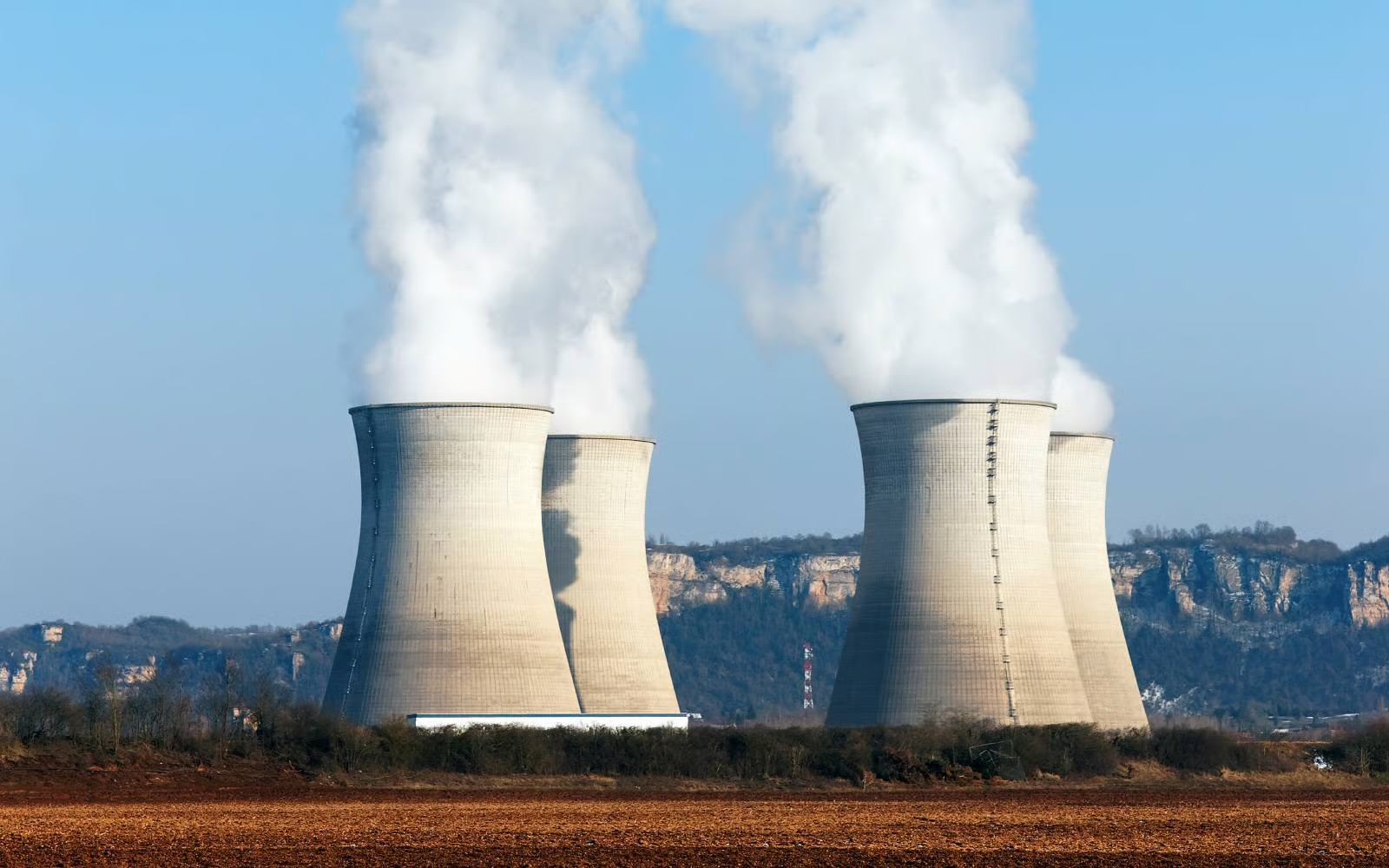
Hanoi turns to Moscow for nuclear power as global energy risks rise and long-term security takes priority.
MARKET INSIDER – Vietnam has taken a decisive step toward reshaping its energy future, signing a landmark agreement with Russia to develop a nuclear power plant—an announcement that carries implications far beyond bilateral ties. As global energy markets face disruption from geopolitical conflicts and supply shocks, the deal positions nuclear energy as a central pillar in Vietnam’s long-term strategy for energy security and economic growth.
The agreement, signed during Prime Minister Pham Minh Chinh’s official visit to Moscow and witnessed alongside Russian Prime Minister Mikhail Mishustin, marks a significant revival of Vietnam’s nuclear ambitions after earlier projects were shelved in 2016. Both sides framed the pact as a “symbolic project” that elevates energy cooperation to the core of their comprehensive strategic partnership.
At its heart, the deal focuses on peaceful nuclear development, including technology transfer, plant design, and construction—areas where Russia has long-standing expertise through state nuclear giant Rosatom. For Vietnam, a fast-growing, energy-import-dependent economy, nuclear power offers a stable baseload solution to complement renewables and reduce reliance on volatile fossil fuel markets.
The timing is critical. Global energy systems are under strain from ongoing tensions involving Iran, disruptions to shipping routes like the Strait of Hormuz, and rising fuel prices. Against this backdrop, Vietnam’s move signals a strategic pivot toward diversification—securing long-term supply while insulating its economy from external shocks.
Beyond energy, the agreement reflects a broader deepening of Vietnam–Russia ties. Both governments committed to expanding trade and investment under frameworks such as the Vietnam–Eurasian Economic Union free trade agreement, while also identifying science, technology, artificial intelligence, and education as new pillars of cooperation. Hanoi has additionally invited Russian participation in infrastructure development, including urban transit systems in major cities.
For global investors, the implications are substantial. The revival of Vietnam’s nuclear program opens potential opportunities across the value chain—from engineering and construction to financing, grid infrastructure, and advanced technology deployment. It also reinforces Russia’s role as a key exporter of nuclear technology at a time when geopolitical realignment is reshaping global energy partnerships.
The broader narrative, however, is one of strategic balance. While some may interpret the move as a geopolitical tilt, Vietnam continues to pursue a multi-aligned foreign policy—deepening ties simultaneously with the United States, China, the European Union, and Russia. In that context, the nuclear agreement is less about alignment and more about resilience.
The bigger question now is execution. If successfully delivered, the project could become a cornerstone of Vietnam’s ambition to achieve high-income status by 2045—and a case study in how emerging economies navigate energy security in an increasingly fragmented, multipolar world.
