
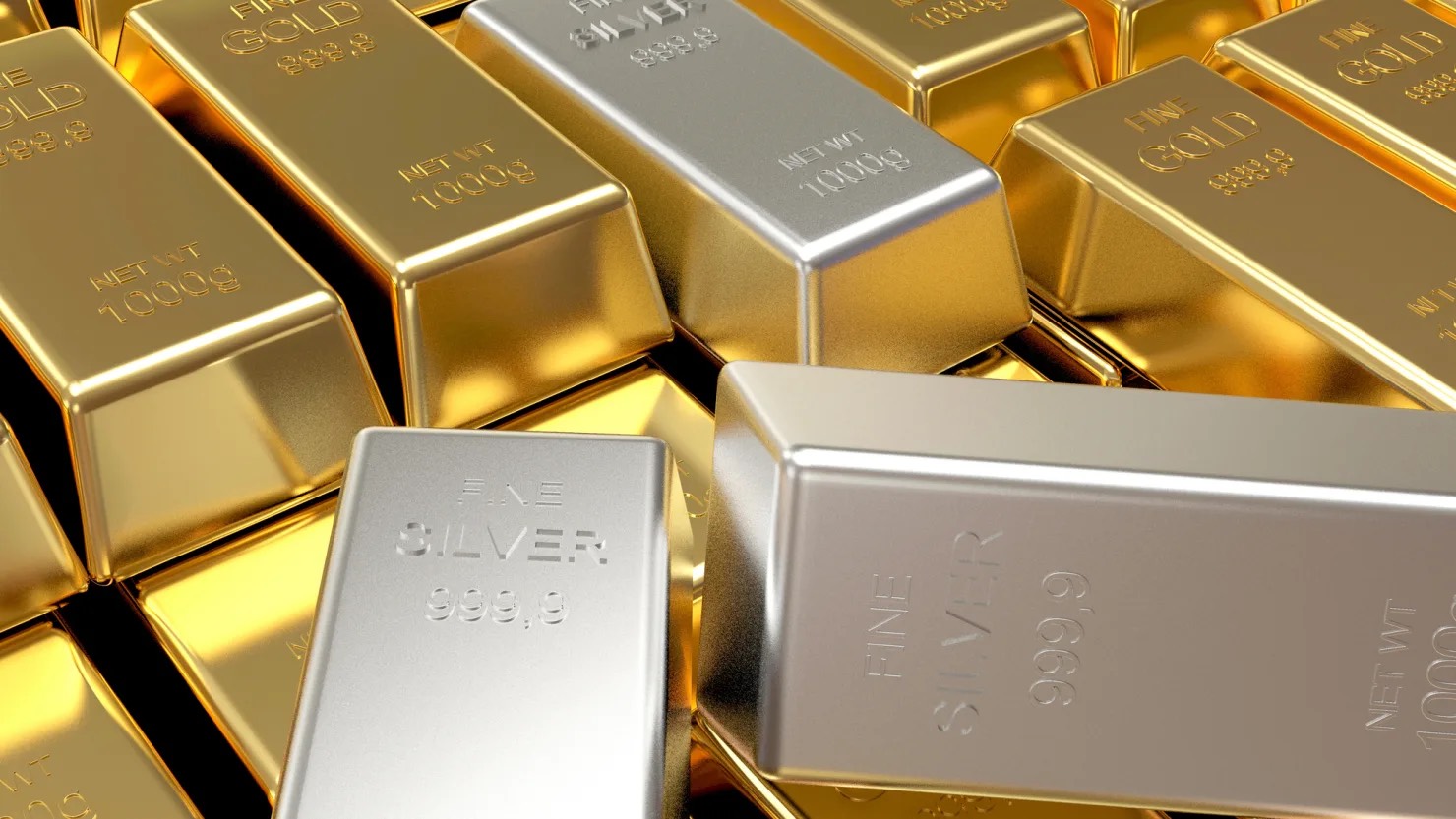
Precious metals recover from sharp losses as de-escalation hopes trigger a shift from safe havens to equities.
MARKET INSIDER – Gold and silver staged a sharp rebound after a volatile sell-off, as geopolitical tensions briefly eased following a surprise announcement from Donald Trump. The decision to pause planned U.S. strikes on Iranian energy infrastructure for five days injected a dose of optimism into global markets, triggering a rapid unwind of safe-haven trades.
Spot Gold recovered to around $4,482 per ounce after plunging more than 5% earlier in the session, marking one of its most dramatic intraday reversals in recent years. Futures also pared losses after briefly sliding nearly 10%. Meanwhile, Silver remained under pressure, while Platinum and Palladium posted deeper declines, reflecting a broader shift away from defensive assets.
The catalyst was Trump’s statement signaling a conditional pause in military escalation involving Iran, raising hopes for a potential diplomatic breakthrough after weeks of intensifying conflict. The move temporarily reduced fears of further disruption to critical energy routes such as the Strait of Hormuz, where tensions had previously driven oil prices sharply higher and fueled demand for safe-haven assets.
The reversal in precious metals reflects a broader macro shift. Rising bond yields and expectations of a more hawkish Federal Reserve have increased the opportunity cost of holding non-yielding assets like gold. At the same time, the de-escalation signal triggered a rotation into risk assets, with equities rallying and oil prices falling as traders reassessed worst-case geopolitical scenarios.
Another key factor behind the sharp decline was positioning. Gold’s rally to record highs earlier this year—peaking above $5,500 per ounce—had attracted heavy speculative inflows. As sentiment shifted, investors moved quickly to lock in profits, accelerating the downside move. Analysts note that crowded trades tend to unwind rapidly once the underlying narrative weakens, particularly when driven by geopolitical catalysts.
Despite the pullback, the longer-term outlook for gold remains complex. Structural drivers such as central bank buying, diversification away from traditional reserve currencies, and persistent inflation risks continue to support the asset. However, in the near term, price action is likely to remain highly sensitive to headlines around diplomacy, energy markets, and monetary policy.
For global investors, the message is clear: in 2026, gold is no longer just a hedge—it is a high-beta geopolitical asset. If tensions ease further and energy markets stabilize, the current correction could deepen as capital rotates into equities and growth assets. But if negotiations falter, the same forces that drove gold to record highs could return just as quickly, setting the stage for another surge in volatility—and opportunity.
