
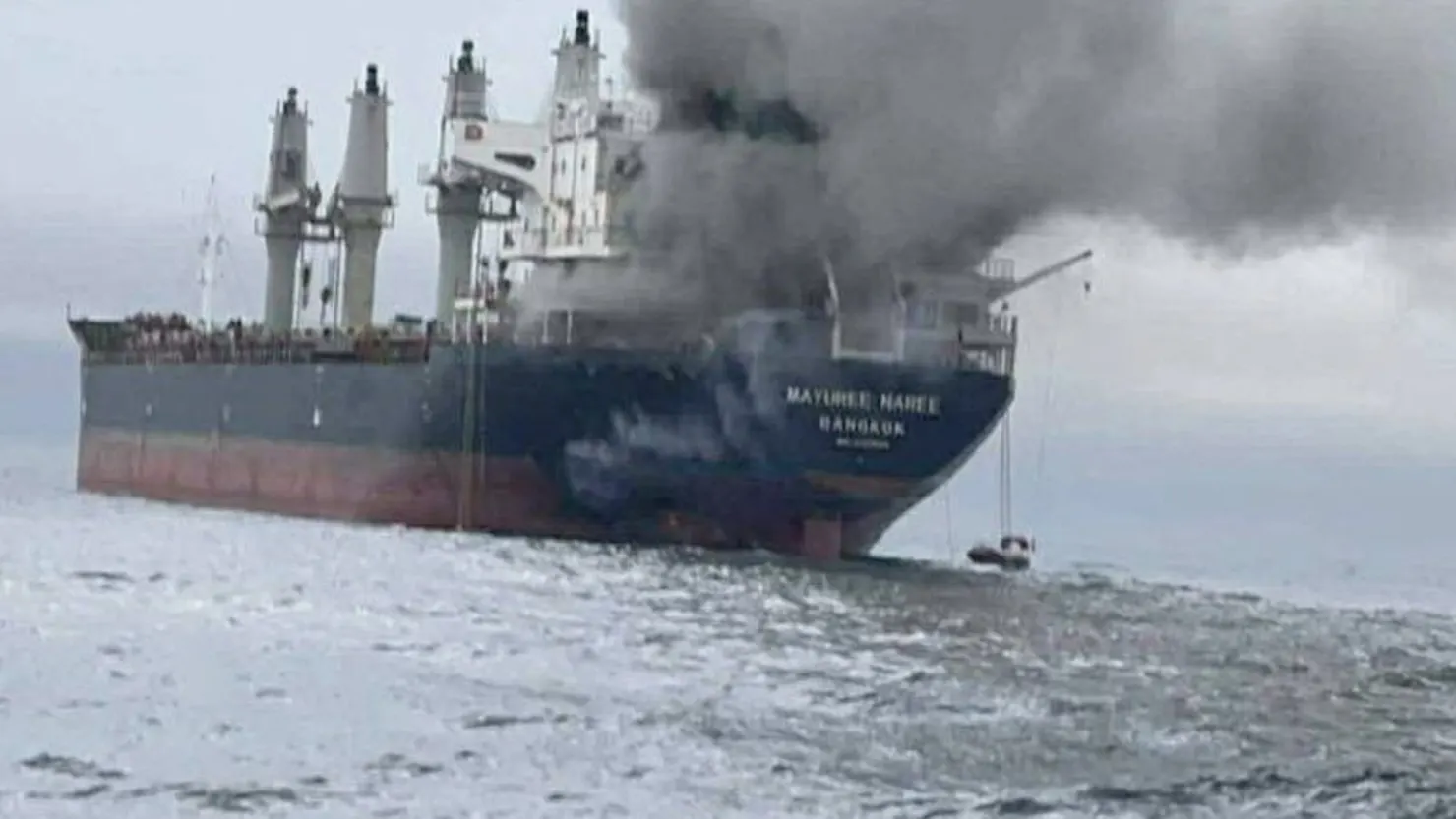
Rare agreement offers relief for Asian energy flows—but highlights fragmented control of global oil chokepoint.
MARKET INSIDER – Thailand has struck a critical deal with Iran to ensure safe passage for its oil tankers through the Strait of Hormuz, offering a rare sign of stabilization in one of the world’s most volatile energy corridors.
Announced by Prime Minister Anutin Charnvirakul, the agreement comes after weeks of severe disruption, during which shipping through Hormuz reportedly plunged by as much as 95%. The collapse in traffic has sent shockwaves across Asia, where more than 80% of Hormuz oil and LNG flows are destined, exposing the region’s deep dependence on Middle Eastern energy.
For Thailand, the stakes are immediate. Fuel shortages and long queues at petrol stations have already begun to emerge, underscoring how quickly geopolitical conflict can translate into domestic economic pressure. The new arrangement is expected to stabilize supply chains—at least for Thai-bound shipments—reducing the risk of further disruptions in the short term.
But the deal also reveals a more complex reality: access to Hormuz is becoming increasingly selective. While Thailand has secured safe transit, other vessels—particularly those linked to countries perceived as hostile—continue to face restrictions or outright denial. Iran’s Islamic Revolutionary Guard Corps has reportedly turned back multiple ships in recent days, reinforcing its ability to control maritime access on a case-by-case basis.
This fragmentation is reshaping global energy logistics. Instead of a universally open trade route, Hormuz is evolving into a politically mediated corridor—where passage depends not just on commercial factors, but on diplomatic alignment.
The risks remain elevated. Maritime security agencies report dozens of incidents involving commercial vessels in the Gulf region this month alone, including attacks and forced diversions. Even with bilateral agreements in place, the broader environment remains unstable, with insurance costs rising and shipping schedules increasingly unpredictable.
For global markets, the implications are profound. Oil prices are no longer driven solely by supply and demand—they are being shaped by access. The ability to move energy safely through chokepoints like Hormuz is now a premium variable in pricing, inflation, and macroeconomic outlooks.
The contrarian insight: while Thailand’s deal offers short-term relief, it may signal a longer-term shift toward a fragmented energy system—where supply chains are no longer global, but geopolitical.
