
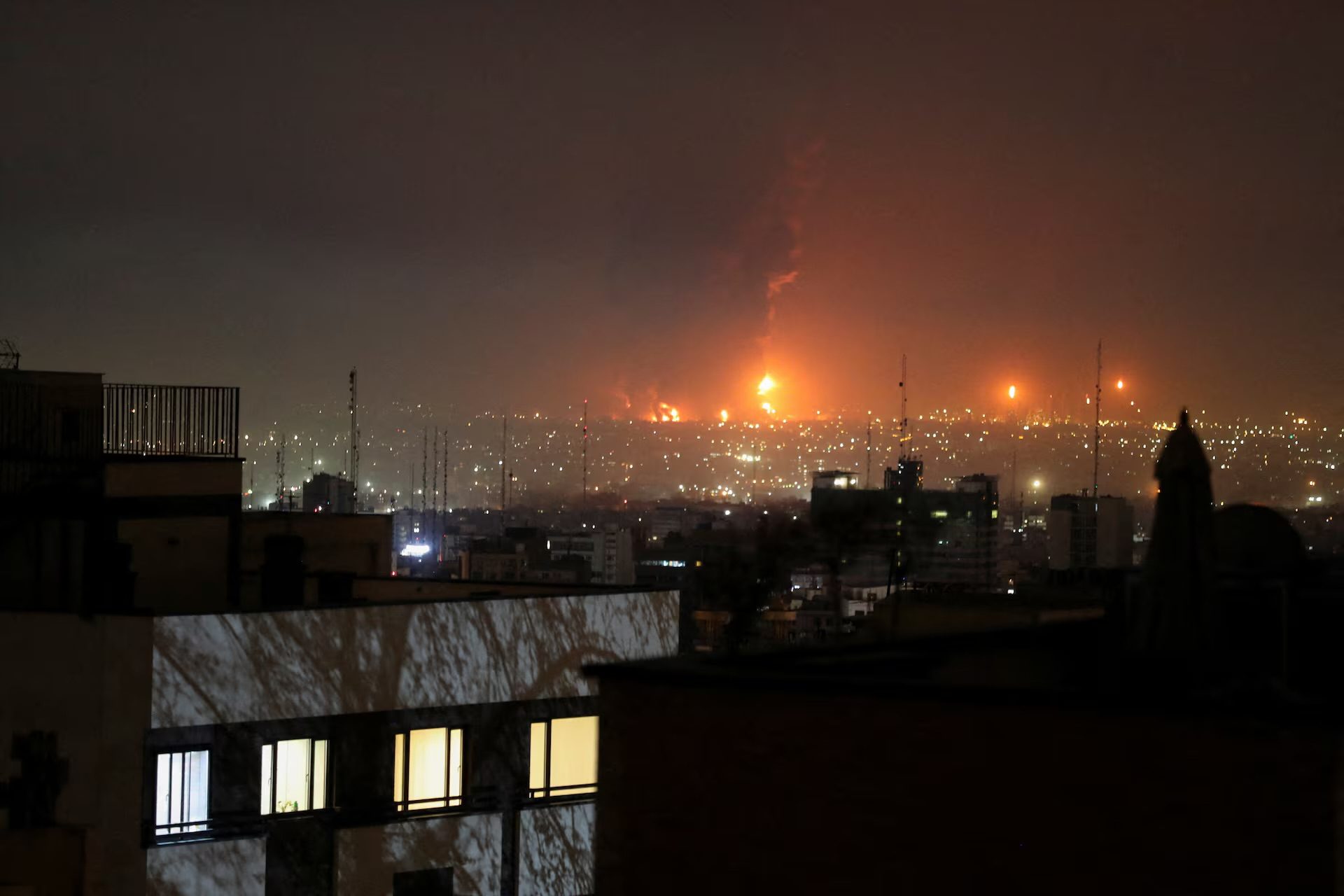
Missile attack raises risk of Red Sea disruption, compounding Hormuz crisis and threatening global energy flows.
MARKET INSIDER – The Middle East conflict has entered a more dangerous phase, with Yemen’s Houthis launching their first missile strike against Israel since the war began—signaling a potential expansion from a regional conflict into a multi-front geopolitical shock.
The strike, which Israel says was intercepted, marks a critical escalation. Until now, the war—triggered by U.S.-Israeli operations against Iran—had been largely contained to direct engagements. The Houthis’ entry introduces a new axis of risk: maritime chokepoints beyond the Persian Gulf.
Attention is now shifting to the Bab el-Mandeb Strait, a narrow passage linking the Indian Ocean to the Red Sea and onward to the Suez Canal. Roughly 12% of global seaborne oil and 8% of LNG trade pass through this route. Any disruption here would compound the already severe constraints in the Strait of Hormuz, where flows have been heavily restricted.
The implications for global trade are immediate. Shipping giant Maersk has already paused transit through the Red Sea corridor, a move that signals rising risk premiums across global logistics networks. With two of the world’s most critical maritime arteries under threat, supply chains—from energy to manufactured goods—face unprecedented strain.
Markets are responding accordingly. Oil prices have surged to multi-year highs, with Brent crude climbing above $110 per barrel and West Texas Intermediate nearing $100, reflecting fears of a prolonged supply shock.
Diplomatic efforts have so far failed to calm markets. Donald Trump’s extension of a deadline for Iran to reopen Hormuz and pause strikes has not translated into de-escalation on the ground. Instead, the conflict is broadening—both geographically and strategically.
For investors, the shift is profound. What began as a localized conflict is now evolving into a systemic risk event, where multiple chokepoints could simultaneously disrupt global trade. The entry of proxy forces like the Houthis suggests that containment is becoming increasingly difficult.
The contrarian insight: the real threat is no longer a single disruption—but the convergence of multiple ones. If both Hormuz and Bab el-Mandeb remain unstable, the global economy could face a dual chokehold—where energy and trade flows are constrained at both ends of the same supply chain.
