
US signals possible takeover of Kharg Island as Brent surges and Middle East tensions threaten global energy flows
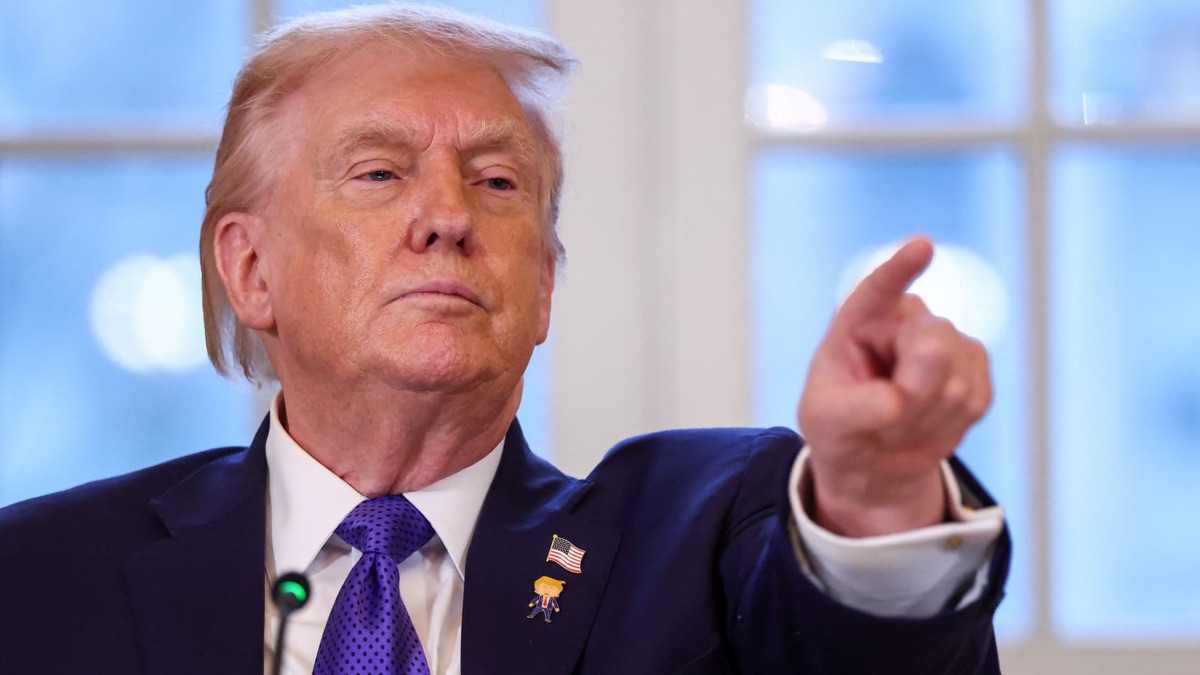
MARKET INSIDER – The prospect of the United States seizing Iranian oil assets has jolted global markets, injecting a new layer of geopolitical risk into an already fragile energy system. As oil prices spike and military escalation intensifies, remarks by Donald Trump are forcing investors to confront a once-unthinkable scenario: direct control of a major OPEC producer’s export infrastructure.
In an interview with the Financial Times, Trump said his “preference” would be to “take the oil in Iran,” including potentially seizing Kharg Island—the critical hub through which the majority of Iran’s crude exports flow. The statement comes as Brent crude surged above $116 per barrel, reflecting mounting fears that the Middle East conflict could disrupt nearly one-fifth of global oil supply moving through the Strait of Hormuz.
Washington has already deployed thousands of troops to the region, including units from the 82nd Airborne Division and U.S. Marines trained for rapid territorial control. While Trump framed the potential seizure as strategically straightforward, analysts warn it would mark a dramatic escalation, raising the probability of prolonged military engagement and retaliatory attacks across the Gulf.
The risks are no longer theoretical. A recent strike on a Saudi air base injured American personnel and damaged a high-value surveillance aircraft, while Iran-aligned Houthi rebels launched missiles toward Israel. Each incident reinforces concerns that the conflict is evolving into a broader regional war—one that could trigger sustained energy shocks and ripple through global inflation, supply chains, and central bank policy.
Despite the rhetoric, Trump indicated that indirect negotiations with Tehran are ongoing, reportedly facilitated through Pakistani intermediaries. A deadline looms for a potential deal, with Washington signaling further strikes on Iran’s energy infrastructure if talks collapse. At the same time, conflicting claims about tanker movements and leadership changes in Tehran add to the uncertainty clouding both diplomatic and market outlooks.
For global investors, the implications extend far beyond oil prices. A US move to directly control Iranian exports would redefine the rules of energy geopolitics, potentially reshaping OPEC dynamics, accelerating strategic stockpiling in Asia, and forcing Europe to revisit its energy security calculus. More critically, it raises a question markets are only beginning to price in: whether geopolitical intervention—not supply and demand—will become the dominant force in determining the future of global energy.
