
Markets rebound as Trump signals openness to ending conflict, but oil shock keeps global risk elevated
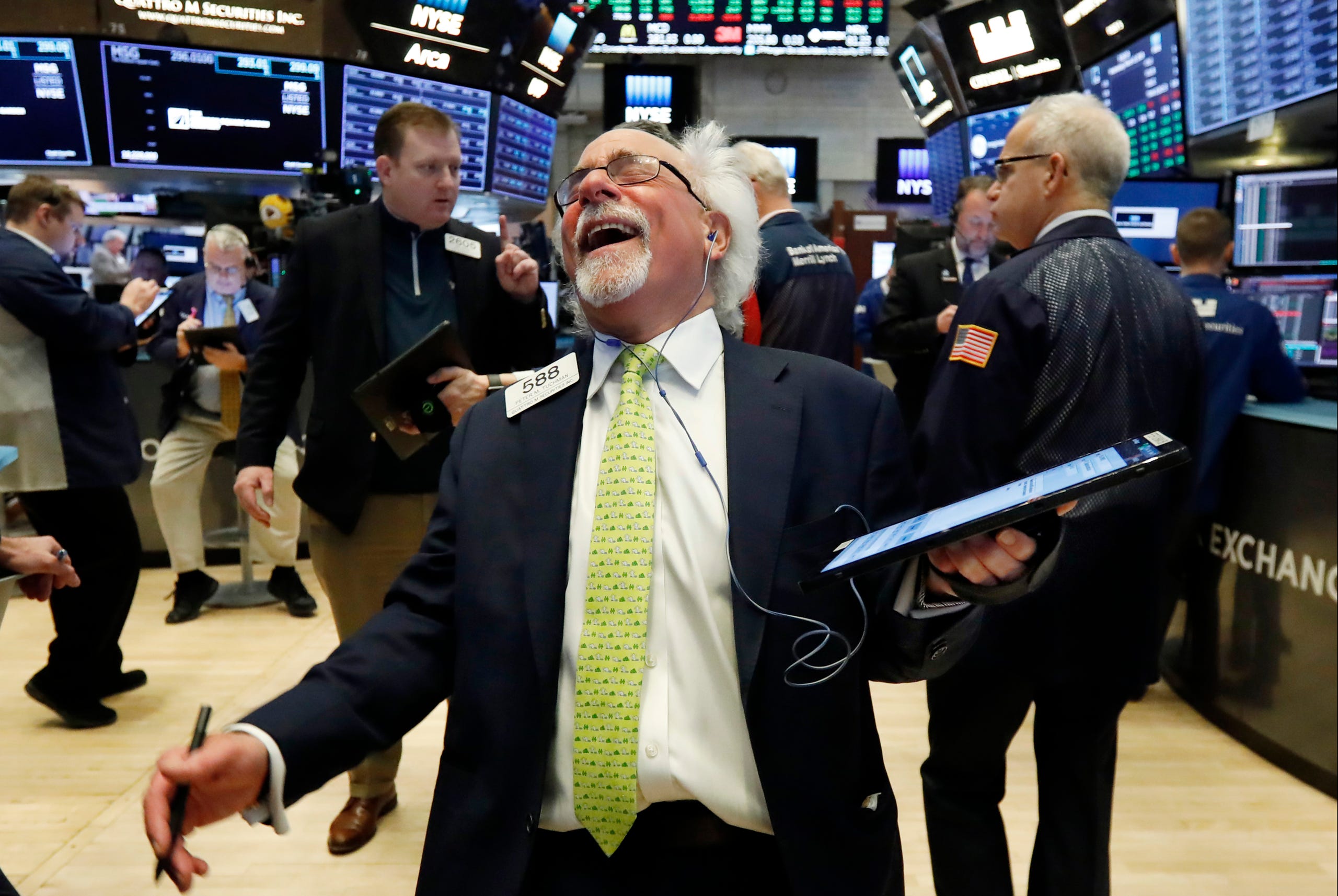
MARKET INSIDER – Global markets staged a sharp rebound on Tuesday as investors latched onto a single, powerful narrative: the possibility that a destabilizing U.S.-Iran conflict could soon de-escalate. The Dow Jones Industrial Average jumped more than 600 points, signaling renewed risk appetite across Wall Street and offering a temporary reprieve after weeks of geopolitical-driven volatility.
The rally underscores how tightly financial markets are now tethered to Middle East developments. With energy supply routes, inflation expectations, and global growth all in play, even tentative signals from Washington are enough to trigger multi-billion-dollar swings in equity valuations worldwide.
The surge followed a report that President Donald Trump had indicated willingness to end military hostilities—even if the strategically vital Strait of Hormuz remains partially disrupted. That nuance matters. Roughly a fifth of global oil supply flows through the chokepoint, making any prolonged closure a structural risk to energy markets and inflation trajectories across both developed and emerging economies.
Technology stocks, which had borne the brunt of recent selloffs, led the rebound. Heavyweights like Nvidia and Microsoft climbed as investors rotated back into growth assets, betting that easing geopolitical tension could stabilize interest rate expectations and restore confidence in high-valuation sectors.
Yet the optimism remains fragile. Oil markets are signaling a very different reality. Brent crude surged above $117 per barrel after reports that Iran struck a Kuwaiti oil tanker near Dubai—an escalation that highlights how quickly sentiment can reverse. Elevated energy prices continue to pose a direct threat to global inflation, complicating central bank policy from Washington to Frankfurt and Tokyo.
Despite the rebound, March is shaping up to be one of the worst months for equities in recent years, with the S&P 500 down nearly 8%. Market strategists caution that the recent pullback—approaching a 10% correction—may reflect a normal recalibration rather than systemic stress, especially in an environment where volatility has become structurally embedded in asset pricing.
The bigger question for global investors is no longer whether markets can bounce on good news—but whether geopolitical risk has become a permanent feature of valuation models. If even rumors of peace can trigger a 600-point rally, the next phase of this market cycle may be defined less by fundamentals—and more by the unpredictable rhythm of global conflict and diplomacy.
