
U.S. may withdraw within weeks without a deal, raising stakes for oil, geopolitics, and investor sentiment
MARKET INSIDER – The prospect of a sudden U.S. military withdrawal from Iran is sending ripples far beyond Washington, with global energy markets, geopolitical alliances, and investor confidence all hanging in the balance. Donald Trump said Tuesday that American forces could leave Iran within “two or three weeks,” signaling a potential end to a conflict that has already reshaped Middle East stability since late February.
The announcement, coupled with a planned prime-time national address, introduces a new layer of uncertainty for global investors. A rapid exit—especially without a negotiated settlement—raises critical questions about long-term regional security, oil supply routes, and the credibility of U.S. foreign policy commitments.
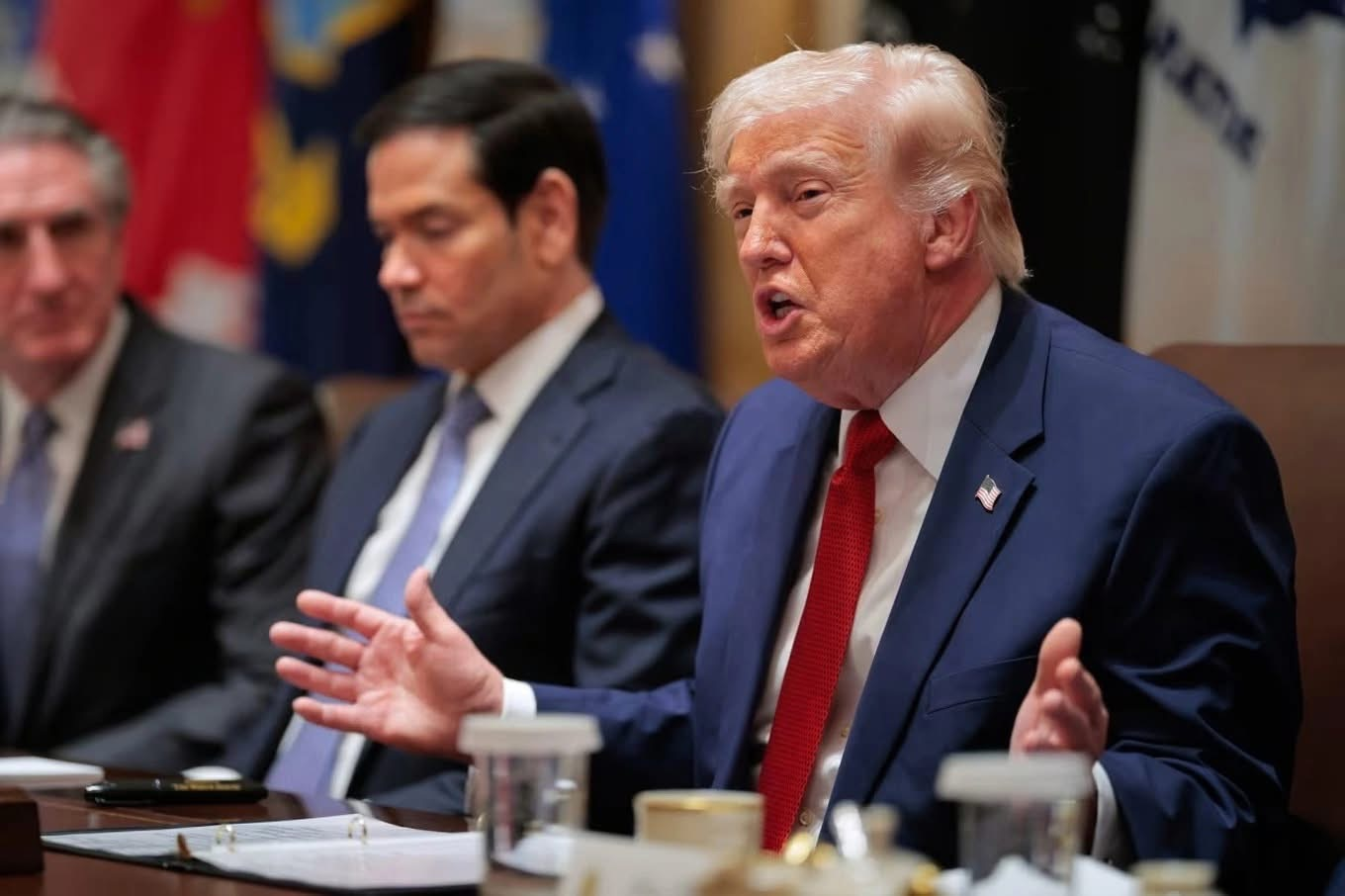
Speaking at the White House, Trump dismissed the need for a formal agreement with Tehran, suggesting the U.S. could unilaterally declare victory. His remarks follow joint U.S.-Israeli strikes launched on February 28 targeting Iranian capabilities, a move that initially heightened fears of a prolonged regional war. Now, the narrative appears to be shifting toward a swift disengagement, with Trump arguing that Iran’s capacity to pursue nuclear weapons has been significantly degraded.
The suggestion that Washington could exit without a deal marks a departure from traditional diplomatic playbooks. Historically, conflicts involving nuclear concerns—from North Korea to past Iran negotiations—have relied heavily on structured agreements. Trump’s stance implies a more transactional approach: military objectives achieved, strategic interests secured, and no obligation to formalize terms. For markets, that ambiguity is a double-edged sword—reducing immediate conflict risk while increasing long-term unpredictability.
Energy markets are particularly sensitive. Iran sits near the Strait of Hormuz, a chokepoint for roughly 20% of global oil flows. Any perception of instability—or lack of clear post-conflict governance—can trigger volatility in crude prices, insurance costs, and shipping routes. At the same time, equity markets may interpret a U.S. withdrawal as de-escalation, potentially fueling short-term rallies while masking deeper structural risks.
Trump’s assertion that Iran is now “a new regime” and more open to engagement hints at a possible diplomatic reset—but without clear verification mechanisms, investors and policymakers alike are left navigating a fog of strategic uncertainty. The absence of a binding deal could also shift leverage toward regional players, including Israel and Gulf states, altering the balance of power in ways that extend far beyond the battlefield.
What happens next may define not just the outcome of this conflict, but the future framework of global intervention itself. If the U.S. can exit a high-stakes war without a formal agreement—and still claim success—it could redefine how superpowers engage in conflicts in an increasingly fragmented world. For investors, the key question is no longer whether the war ends, but whether the rules of geopolitical risk have just been permanently rewritten.
