
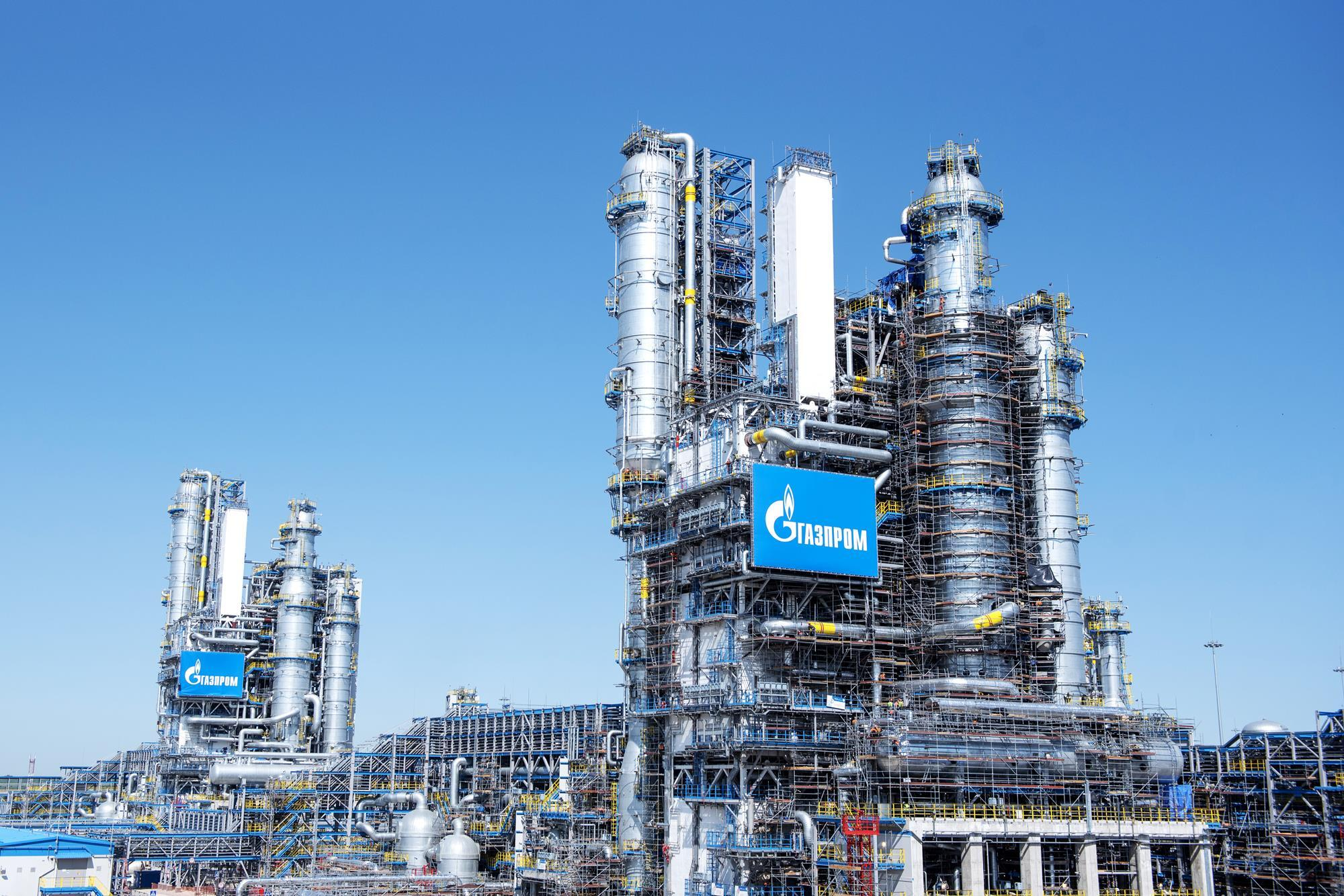
Middle East tensions choke critical gas flows, opening strategic opportunity for Moscow in tech and defense supply chains
MARKET INSIDER – The global technology supply chain is facing a new and largely overlooked disruption: a sudden squeeze in helium supply triggered by escalating tensions in the Middle East. As Iran’s closure of the Strait of Hormuz disrupts exports from Qatar—one of the world’s largest helium suppliers—Russia is emerging as a potential power broker in a market critical to semiconductors, healthcare, and defense industries.
Helium, a non-substitutable gas essential for semiconductor manufacturing, MRI and CT scanners, aerospace systems, and advanced electronics, is primarily produced as a byproduct of natural gas extraction. Qatar, which accounts for roughly one-third of global helium supply, has suspended exports after the Strait of Hormuz was shut in retaliation tied to the broader Iran conflict. The result is an immediate and severe bottleneck in global supply chains already strained by geopolitical fragmentation.
Russia, which holds an estimated 28% of global helium reserves, is now positioned to capitalize on the disruption. According to Russian energy analysts, Moscow could significantly increase production and reposition itself as a major competitor to Qatar. Existing infrastructure, including the Orenburg gas processing hub, already supports substantial output, while new capacity is being unlocked in Eastern Siberia.
At the center of this expansion is the Amur Gas Processing Plant, expected to become the world’s largest helium production facility once fully operational, with an annual capacity of 60 million cubic meters. Combined with upstream resources such as the Chayandinskoye field in Yakutia, Russia is preparing to scale production rapidly, potentially doubling output in the near term.
The implications are global. East Asia—home to leading semiconductor manufacturers—faces the most immediate risk, having relied on Qatar for up to 70% of its helium supply. While major chipmakers typically maintain reserves lasting three to eight months, smaller firms could begin experiencing shortages as early as April or May. Any prolonged disruption threatens to ripple across industries, from consumer electronics to defense systems, delaying production of UAVs, missiles, and high-performance computing components.
China, in particular, is expected to deepen engagement with Russian suppliers, leveraging geographic proximity to the Amur region for faster and more cost-efficient logistics—even enabling overland transport routes. Meanwhile, alternative sources remain constrained. Despite being the world’s largest natural gas producer, the United States continues to face domestic helium shortages, with some suppliers already declaring force majeure and rationing supply.
This shifting landscape places Russia in a uniquely advantageous position—not just as a supplier, but as a potential architect of a reconfigured global helium market. The crisis underscores how a seemingly niche resource can become a strategic lever in an era defined by supply chain security and geopolitical competition.
The key question for global markets is no longer whether helium will remain scarce—but who will control its flow.
