
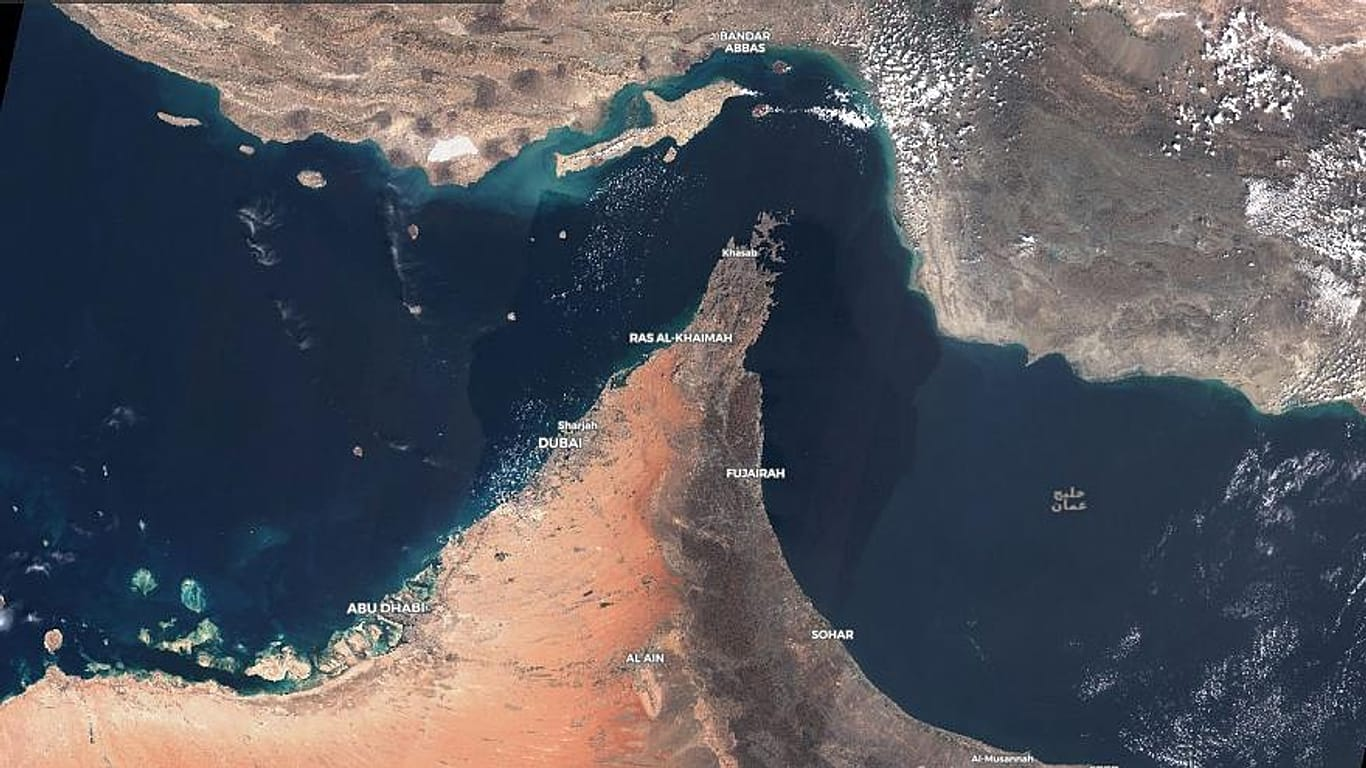
Global powers weigh military and diplomatic options after Iran blocks a chokepoint carrying 20% of world oil supply
MARKET INSIDER – The world’s most critical oil artery is now at the center of a high-stakes geopolitical standoff. As Iran effectively blocks the Strait of Hormuz—through which roughly one-fifth of global oil flows—around 40 countries are scrambling to prevent what the U.K. calls a direct threat to global economic stability.
In a striking signal of shifting global leadership dynamics, the United States has stepped back from direct involvement, with President Donald Trump urging other nations to “take it” themselves. That vacuum is now forcing Europe, Asia, and key energy-importing nations into urgent coordination—raising the risk of both military escalation and prolonged economic disruption.
British Foreign Secretary Yvette Cooper, hosting an emergency virtual meeting with countries including France, Germany, India, Canada, and the UAE, accused Iran of “holding the global economy hostage.” The blockade, launched in retaliation for U.S.-Israeli strikes earlier this year, has already sent energy prices higher, amplifying inflation risks across both developed and emerging markets.
Behind closed doors, discussions are rapidly evolving from diplomatic messaging to operational planning. European powers—initially reluctant to deploy naval forces—are now reconsidering as the economic fallout deepens. France and the U.K. are leading early-stage efforts to form a coalition capable of securing maritime routes, stabilizing insurance costs for shipping, and restoring confidence among global energy traders.
Yet the path forward remains fraught with complexity. French officials have warned that any coordinated response will likely unfold in phases and cannot begin in earnest until hostilities ease. Military planners are now assessing the scale of naval, air, and intelligence assets required, while acknowledging that long-term stability will ultimately require some level of coordination with Iran—an outcome that appears distant under current conditions.
The strategic divide is also becoming more visible. While Trump advocates assertive unilateral action, French President Emmanuel Macron has dismissed any attempt to seize the Strait militarily as “unrealistic,” citing the high risk of retaliation from Iran’s Revolutionary Guards and missile systems. That divergence underscores a broader fracture in how Western allies approach geopolitical risk in an increasingly multipolar world.
What happens next in the Strait of Hormuz will not just determine oil prices—it will shape the future of global power coordination. If this coalition succeeds, it may redefine how the world responds to chokepoint crises without U.S. leadership. If it fails, markets could be entering a new era where geopolitical shocks—not fundamentals—become the dominant driver of global growth, inflation, and investor strategy.
