
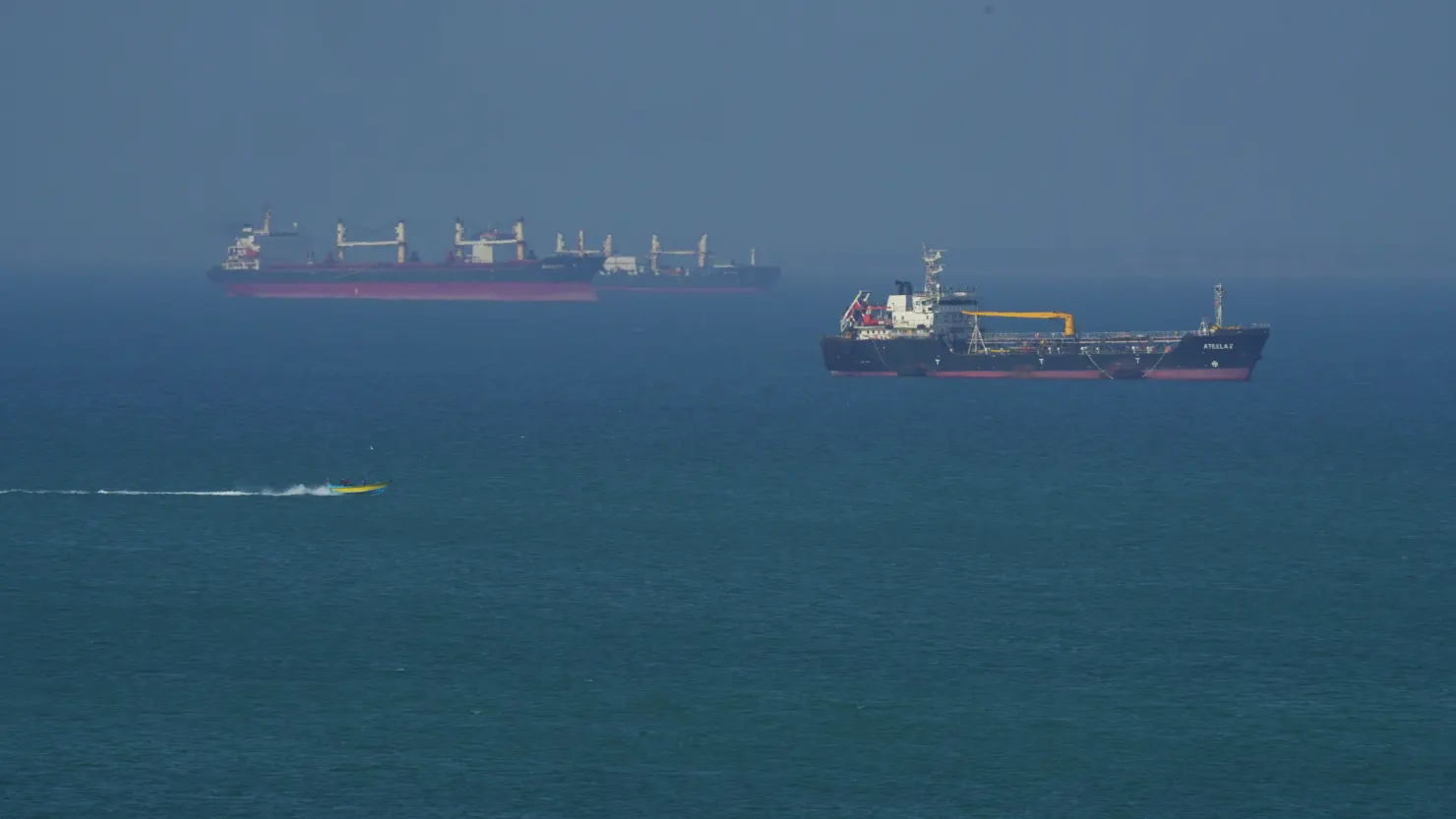
Higher Gulf loadings and the resumption of exports through Yanbu improve supply prospects, although regional shipments remain below February levels.
MARKET INSIDER — Crude exports from seven major Middle Eastern producers are on track to reach 16.33 million barrels per day in September, their highest level since the U.S.-Israeli war against Iran began in late February, according to preliminary Kpler data reported by Reuters.
Saudi Arabia and the United Arab Emirates led the recovery, with Saudi shipments more than doubling from August. Regional exports nevertheless remain approximately 3.19 million barrels per day below February’s level.
The rebound offers relief for oil importers, particularly in Asia. It shows that more crude is reaching international markets despite continuing disruption, but does not establish that shipping conditions have returned to normal, Reuters reported.
Key Highlights
- September crude exports from the seven producers are estimated at 16.33 million barrels per day, about 16% below February.
- Saudi exports are projected to reach 5.4 million barrels per day, up from 2.45 million in August.
- Renewed loadings at Saudi Arabia’s Yanbu terminal improve export flexibility, while security and transport risks persist.
Saudi Arabia drives the recovery
Saudi Arabia’s projected September exports represent an increase of approximately 2.95 million barrels per day from August, or about 121%.
Much of the recovery reflects higher shipments from Ras Tanura, the kingdom’s Gulf terminal. Its exports are estimated at 3.25 million barrels per day, compared with 929,000 in August.
Even after that increase, Ras Tanura’s shipments remain roughly half their February level of 6.41 million barrels per day.
The figures illustrate both the scale of the rebound and the distance remaining before normal operations resume. A strong month-on-month increase partly reflects the exceptionally depressed starting point.
Kpler tracked 19 very large crude carriers carrying about 2 million barrels of Saudi oil each exiting the Strait of Hormuz during the preceding week. Those cargoes represent approximately 38 million barrels, but the count is not directly comparable with historical daily traffic figures covering all vessel types.
More crude is moving through Hormuz
September exports through the Strait of Hormuz are projected at approximately 9.72 million barrels per day.
Saudi Arabia shifted shipments toward Gulf routes after attacks damaged its East-West pipeline, disrupting deliveries to the Red Sea port of Yanbu.
That response demonstrates the value of having multiple export routes. It also exposes the limits of redundancy: when an alternative route is interrupted, producers may become more dependent on a contested shipping passage.
The regional total covers Saudi Arabia, the UAE, Iraq, Oman, Qatar, Kuwait and Iran. It includes Hormuz movements and associated ship-to-ship transfers, as well as exports through Fujairah, Omani terminals outside the strait and Red Sea routes.
Consequently, the headline recovery should not be read as a measure of Hormuz traffic alone.
Yanbu resumes loading
A September 29 Reuters report adds a further development: Saudi Arabia has resumed crude loadings at Yanbu following the restart of the East-West pipeline.
Trade sources estimated loadings at about 2 million barrels per day. Kpler put pipeline throughput near 2.65 million barrels per day and said restoring its pre-attack rate could take another month. These figures describe different stages of the export system and should not be added together, according to Reuters
For buyers, a functioning Red Sea outlet could improve scheduling flexibility and reduce reliance on a single maritime route.
However, additional Yanbu loadings would not necessarily increase total Saudi exports by the same amount. Some cargoes could shift from Gulf terminals rather than represent additional supply.
How close are exports to normal?
The supplied September and February figures imply that exports have recovered to approximately 83.7% of February’s level:
16.328 million barrels per day divided by 19.513 million equals about 83.7%.
That leaves a shortfall of 3.185 million barrels per day, or approximately 16.3%.
The accompanying Kpler description of exports at “just under 80%” of pre-conflict levels should therefore not be treated as the result of that same calculation. It may reflect a different measurement window or baseline; the supplied report does not reconcile the two.
The monthly figures also remain preliminary. September was not complete when the estimates were published, and vessel-tracking data can be revised as cargo movements become clearer.
The reported tanker count excludes vessels that may have crossed with their identification transponders switched off. That creates an additional limitation when interpreting observed shipping activity.
Why the recovery matters for Asian buyers
For importers, the most useful development is greater availability of deliverable crude.
More reliable cargo arrivals could reduce the need for emergency purchases and help refiners manage inventories. If the recovery persists, it could also moderate the scarcity premium associated with disrupted exports.
Those benefits do not automatically translate into an equivalent fall in fuel prices. Refining margins, freight charges, insurance, exchange rates and taxes influence the cost paid by businesses and consumers.
Export recovery is also different from production recovery. Shipments can increase through inventory drawdowns or the clearance of delayed cargoes without an equal increase in current output.
For Asian refiners, cargo availability must therefore be assessed alongside crude quality, delivery timing and total transport costs. A higher regional export figure is encouraging, but individual buyers may still face uneven access.
What investors should watch next
October loading schedules will help establish whether September’s rebound can be sustained. Continued operations at both Gulf and Red Sea terminals would provide stronger evidence of resilience than a temporary release of delayed shipments.
Freight rates and insurance premiums will show whether commercial confidence is improving alongside physical volumes. Rising exports accompanied by persistently high transport costs would indicate that significant friction remains.
Inventory data will help distinguish additional production from stock releases, while renewed attacks could quickly alter shipping decisions.
For oil markets, the key development is a narrowing gap between available supply and normal trade flows. The durability of that improvement will depend on whether producers can maintain exports across several routes without further major interruptions.
