
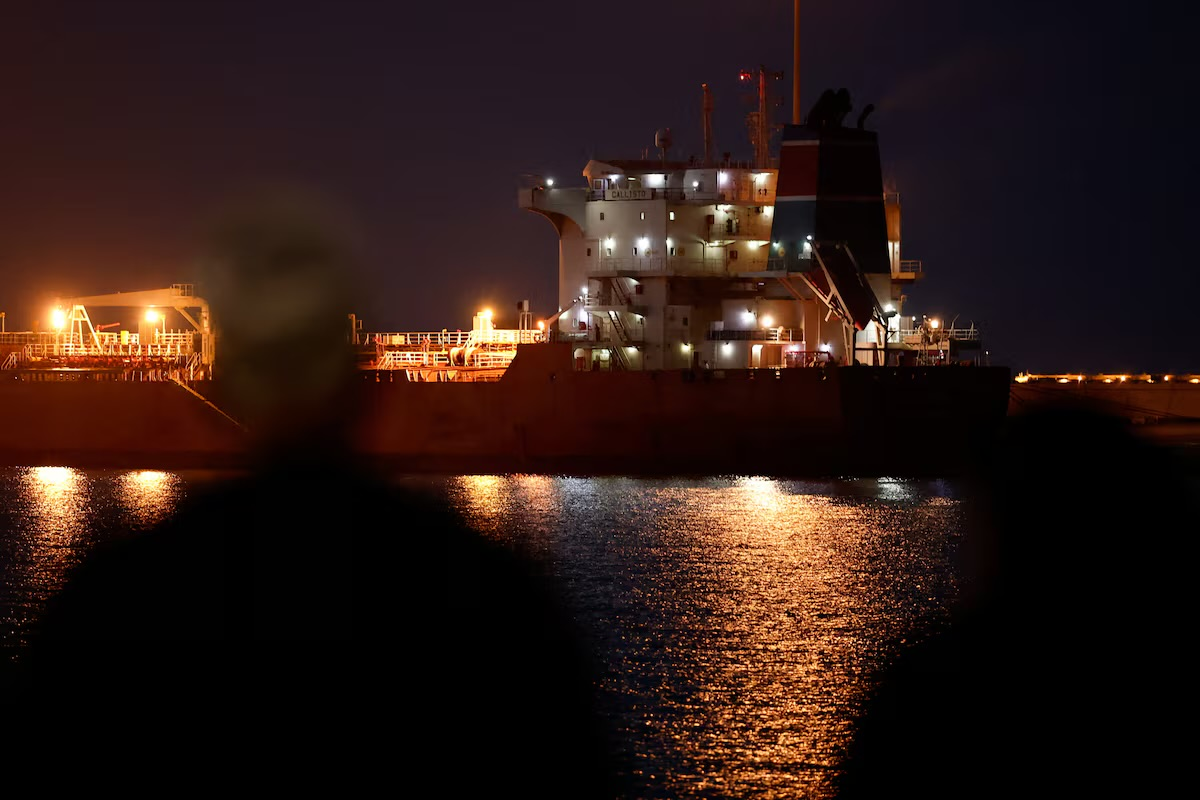
Iran–Oman monitoring plan eases fears as global oil shock ripples through markets
MARKET INSIDER – The world’s most critical oil chokepoint may be inching back toward stability—and global markets reacted instantly. A reported protocol between Iran and Oman to “monitor” traffic through the Strait of Hormuz triggered a sharp reversal in U.S. equities and cooled a dramatic surge in oil prices, underscoring just how fragile—and interconnected—the global energy system has become.
The move comes after weeks of disruption following U.S. and Israeli strikes on Iran, which effectively shut down the strait and sent shockwaves through energy markets. With roughly 20% of the world’s oil supply flowing through this narrow passage, even the hint of coordination is enough to reshape investor sentiment from panic to cautious optimism.
According to Iran’s state news agency IRNA, officials from Tehran and Muscat are drafting a framework to supervise and coordinate tanker traffic. Deputy Foreign Minister Kazem Gharibabadi emphasized that the initiative is not intended to restrict flows but to ensure safe passage and improve maritime services. That distinction is critical: markets interpreted the language as a signal that Iran may be seeking controlled de-escalation rather than prolonged disruption.
The financial response was immediate. U.S. stock markets, already rattled by comments from Donald Trump suggesting a prolonged conflict, rebounded sharply following the report. Oil prices, which had spiked to multi-year highs amid fears of a prolonged blockade, retreated as traders priced in the possibility of partial normalization in supply routes.
Yet the economic damage is already visible. The closure of Hormuz has driven a historic surge in crude prices, cascading into higher transportation and manufacturing costs worldwide. In the United States, gasoline prices have jumped more than 30% in a month, crossing the psychologically significant $4-per-gallon threshold. While Washington insists its direct reliance on Hormuz oil is limited, global pricing dynamics mean no major economy is insulated from such disruptions.
What makes this development particularly significant is not just the potential reopening of a shipping lane, but the precedent it sets. A joint Iran–Oman monitoring mechanism could introduce a new model of regional control over critical energy infrastructure—one that bypasses traditional Western security frameworks and reshapes geopolitical influence in the Gulf.
If the protocol evolves into a stable operating system for the strait, markets may regain confidence. But if it falters, the world could face a prolonged era of energy volatility where geopolitical flashpoints dictate inflation, growth, and investment flows. For global investors, the message is clear: the future of oil—and the stability of financial markets—may hinge less on supply and demand, and more on diplomacy in the world’s narrowest waterways.
