
India signals alignment with U.S. on keeping vital energy routes open amid rising Middle East tensions.
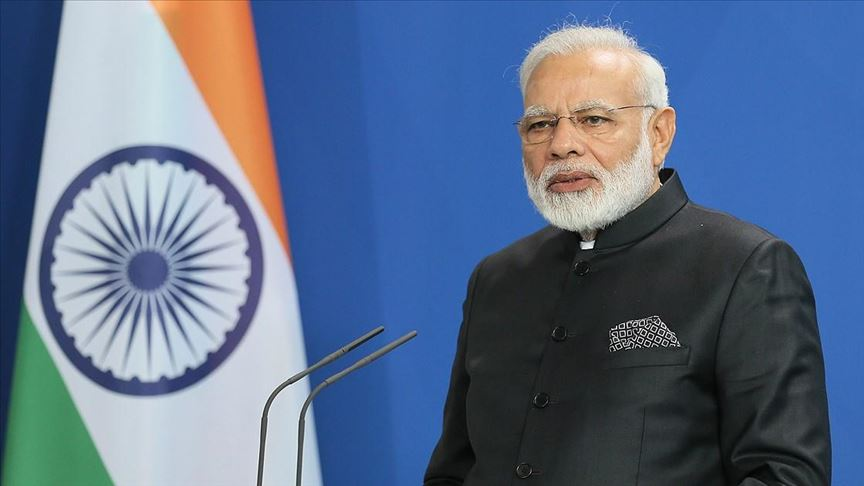
MARKET INSIDER – India has stepped into the escalating Middle East crisis with a clear message: stability in global energy flows is non-negotiable. In a call with Donald Trump, Prime Minister Narendra Modi emphasized the urgent need for de-escalation while underscoring the strategic importance of safeguarding one of the world’s most critical energy arteries.
At the center of India’s concern is the Strait of Hormuz, through which a significant share of global oil and liquefied natural gas flows. Modi stressed that keeping the passage “open, secure and accessible” is essential not just for regional stability, but for the functioning of the global economy—particularly for energy-import-dependent nations like India.
The exchange reflects a growing alignment among major economies as the conflict involving Iran continues to disrupt supply chains and drive volatility across oil, shipping, and financial markets. With crude prices elevated and shipping risks rising, even partial disruptions in Hormuz have already begun to ripple through inflation expectations and global trade flows.
India’s intervention also highlights its evolving role as a balancing power—maintaining relationships across geopolitical blocs while advocating for stability in critical global systems. By engaging directly with Washington while calling for peace, New Delhi is positioning itself as both a stakeholder and a potential stabilizing voice in the crisis.
For global markets, the message carries weight. When major energy consumers like India prioritize the security of supply routes, it reinforces the central role of geopolitics in shaping commodity prices, inflation trajectories, and central bank policy decisions worldwide.
The immediate outlook remains uncertain, but the direction is clear: as tensions persist, the fate of a narrow waterway in the Gulf may continue to influence everything from fuel prices to financial markets. And in that equation, coordinated diplomatic pressure from major economies could prove just as critical as military developments on the ground.
