
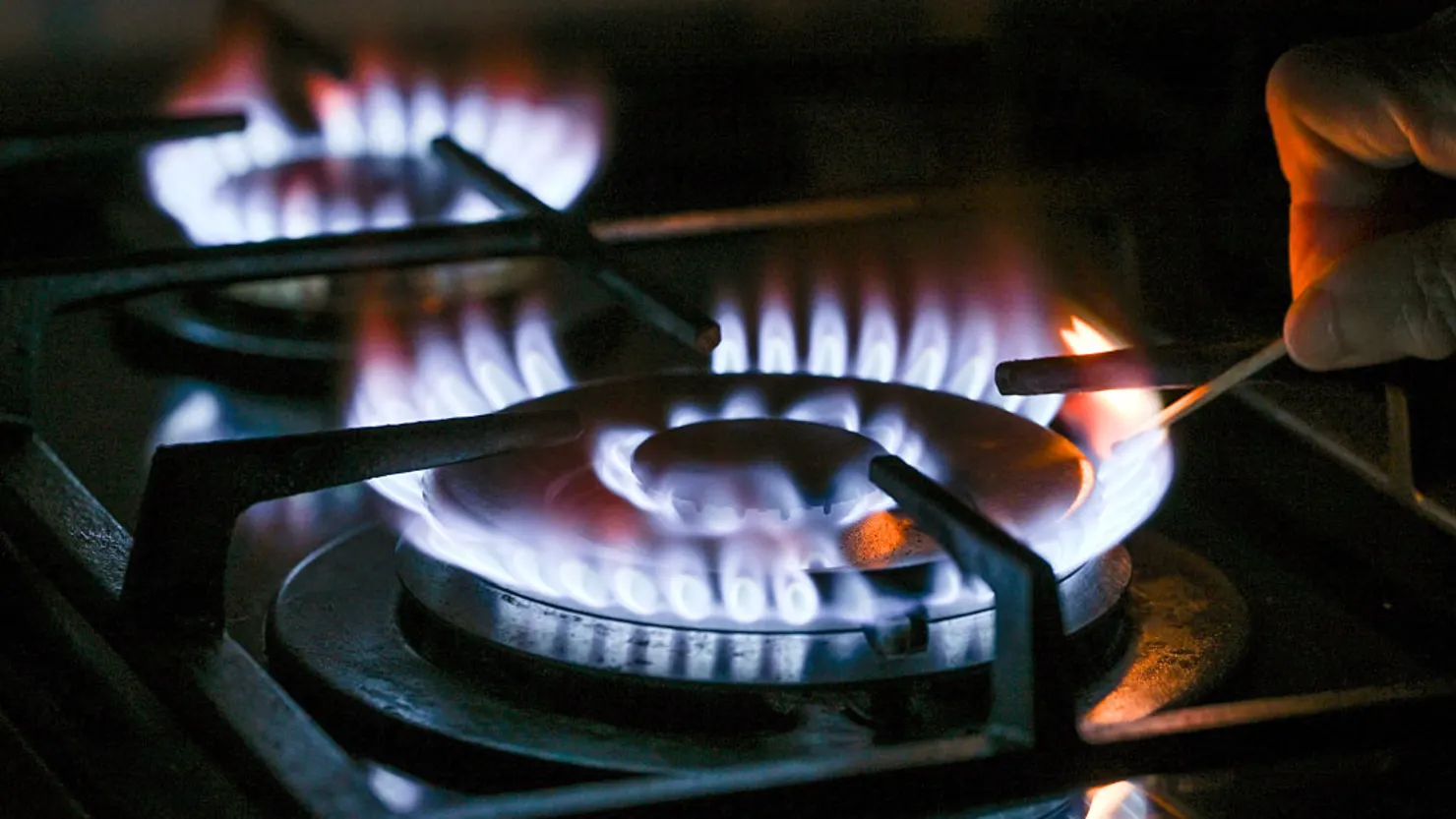
Iran conflict and gas supply fears push British household energy costs sharply higher again
MARKET INSIDER – Europe’s energy crisis is flaring up again — and this time the shock is being driven not by Russia, but by escalating instability in the Middle East. British households are now facing their highest energy bills in two years as global oil and gas markets react violently to supply disruptions linked to the Iran war and mounting fears over the Strait of Hormuz, one of the world’s most critical energy chokepoints.
The sharp rise in U.K. energy costs is becoming an early warning signal for a broader economic problem spreading across Europe. From Germany to the euro zone, policymakers are once again confronting the uncomfortable reality that despite years of diversification efforts after Russia’s invasion of Ukraine, Europe remains dangerously exposed to global fossil fuel volatility.
Britain’s energy regulator, Ofgem, announced Wednesday that its household energy price cap will jump 13% in July, pushing the average annual gas and electricity bill from £1,641 to £1,862 — the highest level since early 2024. Gas prices alone are set to surge 24%, while electricity prices will rise around 5%.
According to Ofgem CEO Tim Jarvis, the increase reflects “continued volatility in global energy markets,” with wholesale gas prices climbing due to ongoing conflict in the Middle East. The U.K., heavily dependent on imported energy supplies, remains particularly vulnerable to disruptions in international oil and gas flows.
The market reaction has been severe. Since the outbreak of the Iran conflict and the effective closure of the Strait of Hormuz, Brent crude prices have surged roughly 33.5%, while Dutch TTF natural gas futures — Europe’s benchmark gas contract — have jumped nearly 50%. Although prices have retreated from wartime peaks, they remain highly volatile, reviving fears of another inflationary wave across Europe.
The geopolitical shock is already forcing governments into emergency measures. Germany recently moved to restrict gas stations from raising fuel prices more than once daily after motorists faced sudden spikes at the pump. Meanwhile, official data showed euro zone energy prices climbed 10.8% year-over-year in April, adding pressure on the European Central Bank just as the region hoped inflation was finally under control.
British Energy Security Secretary Ed Miliband described the latest increase as “deeply unwelcome” for households already struggling with living costs. His warning underscores a growing political dilemma across Europe: governments can subsidize energy bills temporarily, but they cannot fully shield consumers from prolonged geopolitical supply shocks.
Ironically, Europe’s latest energy scare reveals how fragile the continent’s post-Russia energy transition still is. The continent successfully reduced dependence on Russian gas after 2022, but the replacement system — built around LNG imports and global commodity markets — may prove just as vulnerable when geopolitical tensions hit maritime trade routes. For investors and policymakers alike, the new energy crisis raises a larger question: has Europe merely swapped one form of energy dependence for another?
