
Oil plunge and easing geopolitical risk drive loonie to two-week high, reshaping rate expectations
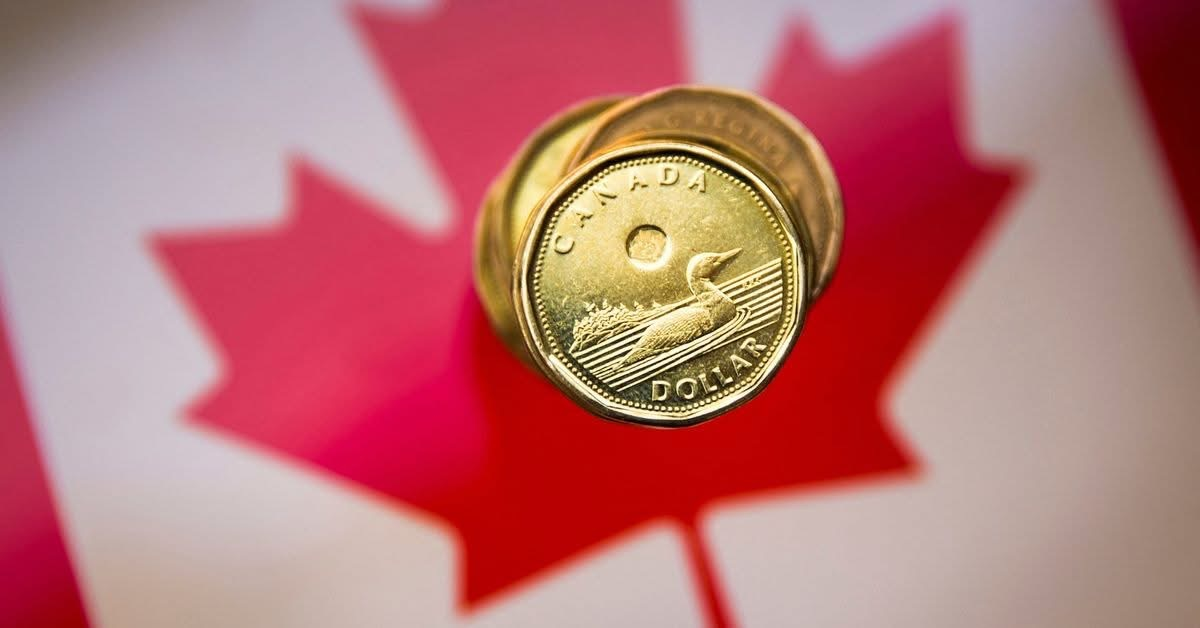
MARKET INSIDER – A sudden de-escalation in Middle East tensions is rippling through global markets, lifting currencies, easing inflation fears, and reshaping monetary policy bets. The Canadian dollar has surged to a near two-week high after a ceasefire between the United States and Iran triggered a sharp reversal in oil prices and revived global risk appetite.
For investors, the move underscores a critical shift: geopolitics is once again dictating currency flows, but traditional correlations—especially for commodity-linked currencies—are starting to break down.
The loonie strengthened 0.3% to 1.3850 per U.S. dollar, its strongest level since late March, as the U.S. dollar index weakened broadly amid declining safe-haven demand. Equity markets mirrored the optimism, with Wall Street climbing toward one-month highs, signaling a synchronized “risk-on” sentiment across asset classes.
The most dramatic move came from oil. Prices plunged 16% to $94.85 per barrel as traders priced in the potential reopening of supply routes through the strategically vital Strait of Hormuz. Historically, such a drop would weigh heavily on the Canadian dollar due to its status as a petro-currency. But this time, the reaction was different.
According to Karl Schamotta, chief market strategist at Corpay, the Canadian dollar’s rally reflects a structural shift. Its long-standing dependence on oil exports is fading, while broader macro factors—such as global liquidity conditions and interest rate expectations—are taking center stage. Weak prospects for renewed capital expenditure in Canada’s energy sector further reinforce this decoupling.
The oil-driven disinflation narrative is already feeding into monetary policy expectations. Markets have scaled back bets on the Bank of Canada, now pricing in just one rate hike this year instead of two. Canadian bond yields followed suit, with the 10-year yield dropping to 3.422%, tracking a global decline in sovereign yields led by U.S. Treasuries.
Attention now turns to Canada’s labor market data, which could provide the next directional cue. Economists expect a modest rebound of 15,000 jobs in March after a sharp loss of 84,000 in February—numbers that could either reinforce or challenge the market’s dovish pivot.
What makes this moment particularly significant is not just the currency move, but the narrative behind it. The Canadian dollar is no longer behaving like a pure oil proxy. Instead, it is increasingly tied to global capital flows and risk sentiment—placing it closer to a hybrid between a commodity currency and a macro-sensitive asset.
For global investors, the takeaway is clear: the playbook is changing. As geopolitical shocks fade and supply chains stabilize, currencies once defined by commodities may begin to trade more like equities—driven less by what they produce, and more by where capital wants to go next.
