
Rising Treasury yields and Middle East tensions complicate a leadership transition at the world’s most powerful central bank.
MARKET INSIDER – The leadership transition at the U.S. Federal Reserve is unfolding at one of the most fragile moments for the global economy in years, with inflation fears resurging, bond yields climbing sharply, and geopolitical tensions threatening to reshape the trajectory of interest rates worldwide.
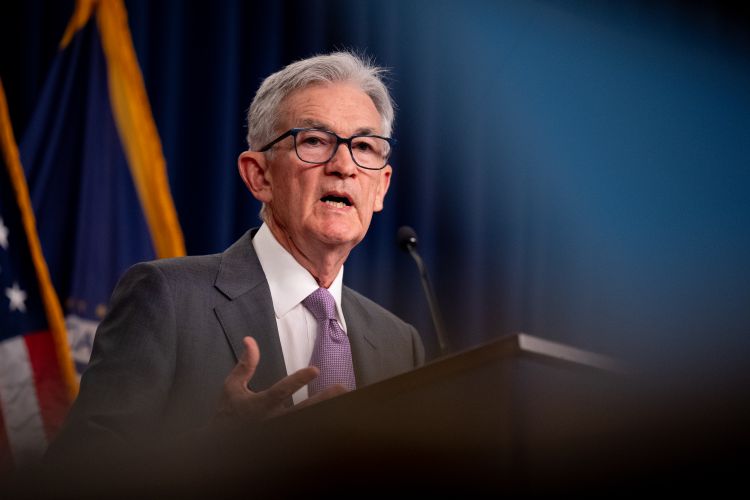
The Federal Reserve’s Board of Governors on May 15 appointed Jerome Powell as interim Fed Chair after his second four-year term officially expired, keeping him temporarily in control until President Donald Trump’s nominee, Kevin Warsh, is formally sworn in. The delay follows a difficult confirmation process that has amplified concerns over the future independence of the U.S. central bank.
Warsh, once known as a hawkish voice focused on fighting inflation, has increasingly aligned himself with Trump’s push for lower interest rates — a stance that is now colliding with economic reality. Inflation remains above the Fed’s long-term 2% target, while escalating conflict in the Middle East is driving fresh pressure on energy prices and global supply chains. That combination has complicated expectations for any near-term rate cuts.
Financial markets are already signaling unease. U.S. Treasury yields surged on May 15, with the 2-year yield climbing above 4% as investors recalibrated expectations for prolonged inflation risks. Even more striking, the 30-year Treasury yield rose beyond 5.1%, levels not sustainably seen since before the 2007–2009 global financial crisis. The move reflects growing anxiety over America’s expanding debt burden and the possibility that investors may demand permanently higher returns to hold U.S. government debt.
Warsh has also advocated for a more restrained Federal Reserve, arguing the central bank should scale back interventions in financial markets and return to a more traditional monetary policy framework. Supporters say such an approach could restore market discipline and reduce long-term distortions caused by years of ultra-loose policy. Critics, however, warn that the Fed may no longer have the luxury of stepping back, especially as Washington faces record debt issuance and markets remain heavily dependent on central bank credibility.
For global investors, the stakes extend far beyond Washington. A more politically influenced Fed could reshape capital flows, currency markets, emerging-market stability, and the cost of borrowing worldwide. Countries from Vietnam to Brazil have spent years adjusting to the dominance of U.S. monetary policy, and any perceived erosion of Fed independence could trigger renewed volatility across equities, bonds, commodities, and foreign exchange markets.
The bigger question now is whether the world is entering a new era where central banks are no longer insulated from political pressure — and whether markets, after decades of trusting the Fed as the anchor of global finance, are prepared for what comes next.
