
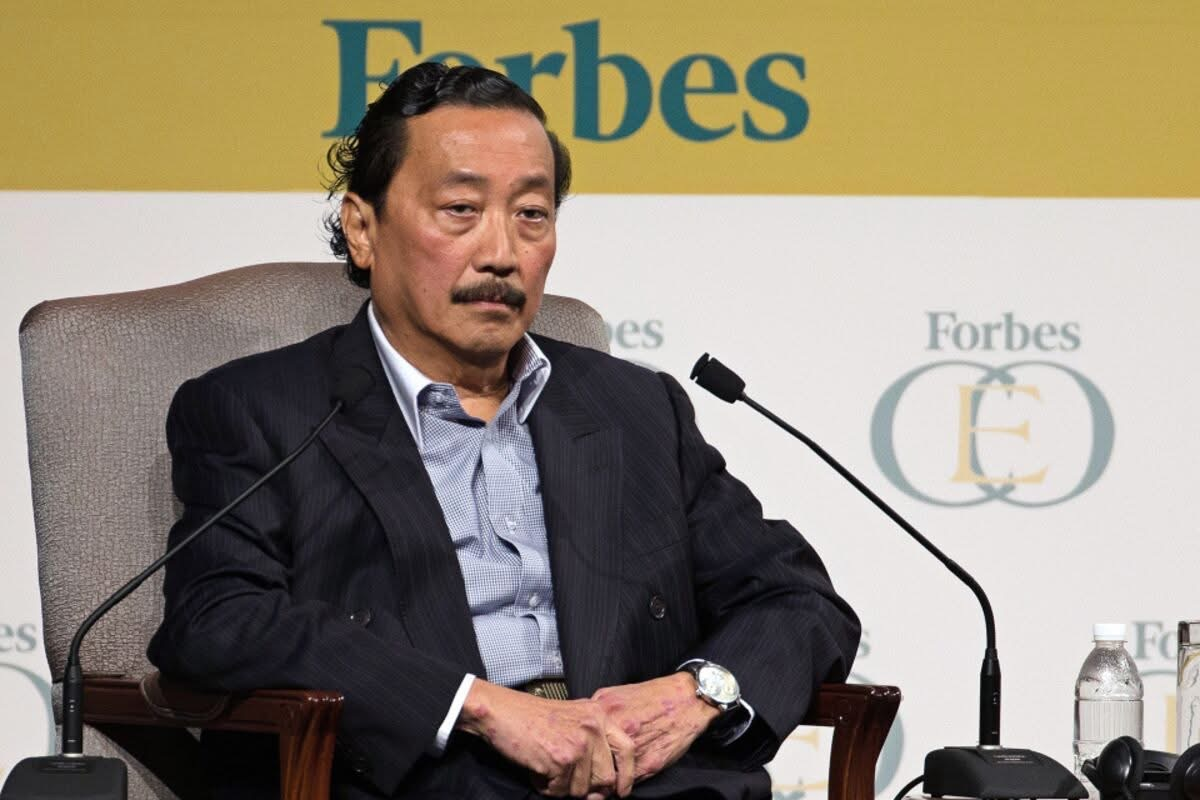
Malaysian billionaire exits substantial shareholder list in six listed firms as investors assess implications for the Berjaya empire
MARKET INSIDER – One of Malaysia’s most influential tycoons has quietly executed a significant ownership reshuffle that is reverberating across the country’s corporate sector. Tan Sri Vincent Tan Chee Yioun, founder of the Berjaya Group conglomerate, has sold approximately RM115 million (US$27 million) worth of shares in Berjaya Corporation Bhd, reducing his influence across multiple publicly listed companies and triggering a series of regulatory ownership changes.
The move comes at a time when investors across Asia are closely watching succession planning, capital allocation, and governance structures within founder-led business empires. While the transactions do not signal a retreat from the Berjaya ecosystem itself, they highlight how even modest ownership adjustments by controlling shareholders can reshape disclosure obligations and market perceptions.
According to filings with Bursa Malaysia, Tan disposed of a combined 461.65 million shares in Berjaya Corporation through a series of direct business transactions conducted on May 28. The sales were executed across seven tranches through several nominee accounts and corporate entities, including B&B Enterprise Sdn Bhd and Premier Merchandise Sdn Bhd.
Following the transactions, Tan’s direct stake in Berjaya Corp fell to 4.11%, while his deemed interest declined to 10.96%, leaving him with a combined ownership of roughly 15.08%, equivalent to approximately 896.3 million shares. Although he remains one of the conglomerate’s key shareholders, the reduction pushed his indirect holdings below Malaysia’s 5% threshold in several affiliated companies.
As a result, Tan has ceased to be classified as a substantial shareholder in six Bursa-listed firms: Salcon Bhd, REDtone Digital Bhd, Berjaya Property Bhd, Atlan Holdings Bhd, Sports Toto Bhd, and Theta Edge Bhd. Importantly, these changes stem from Tan’s reduced personal deemed interests rather than any disposal by Berjaya Corp itself, which continues to hold significant stakes in the companies.
Tan nevertheless remains a substantial shareholder in several cornerstone Berjaya-related businesses, including 7-Eleven Malaysia Holdings Bhd, Berjaya Food Bhd, and Berjaya Assets Bhd. His holdings in those firms have also been reduced but remain above regulatory reporting thresholds.
For global investors, the development underscores a broader trend across Asia’s family-controlled conglomerates, where founders are increasingly recalibrating ownership structures while maintaining strategic influence. Similar transitions have been observed in business groups across Hong Kong, Singapore, South Korea, and Thailand as aging founders balance succession planning, liquidity management, and evolving corporate governance expectations.
Berjaya Corp shares closed unchanged at 24.5 sen on Wednesday, giving the conglomerate a market capitalization of approximately RM1.49 billion. The stock has fallen about 14% since the start of the year, reflecting broader challenges facing diversified conglomerates in a higher-interest-rate environment.
The bigger question for investors is not whether Vincent Tan is exiting the Berjaya empire—he clearly is not—but whether this ownership reshuffle marks the beginning of a longer-term transition within one of Malaysia’s most recognizable business groups. In an era when founder influence increasingly competes with institutional governance, even a routine share sale can offer an early glimpse into the future direction of a corporate dynasty.
