
Ex-president’s crypto clemency sparks global debate on politics, power, and the future of digital finance.
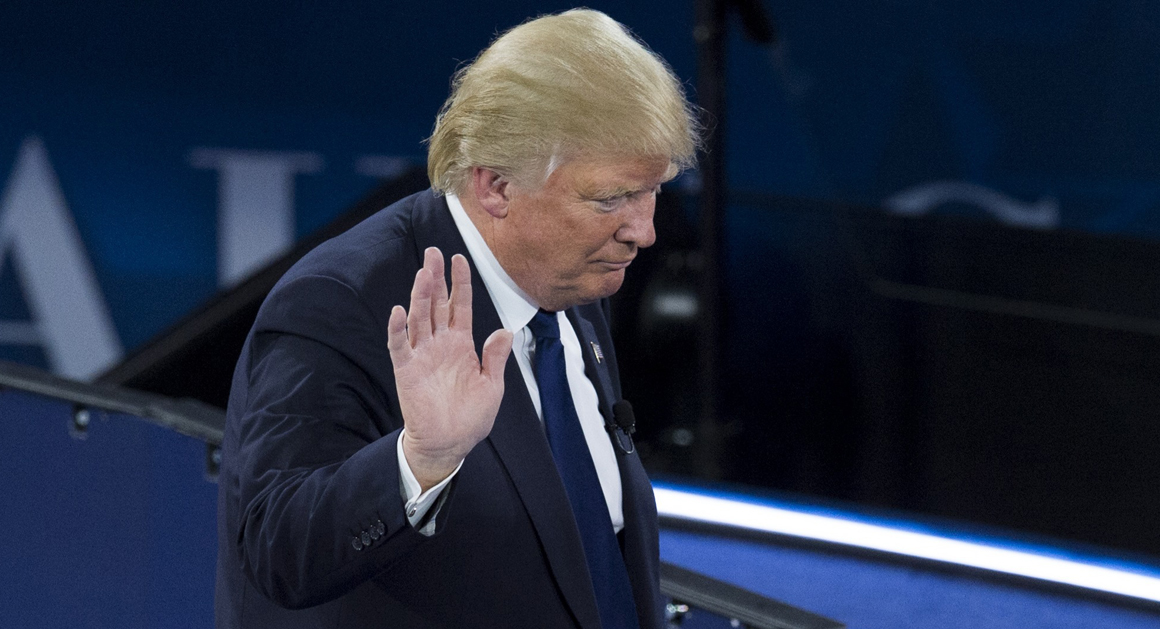
MARKET INSIDER – Donald Trump has ignited another political and market storm—this time over crypto. Despite personally pardoning Binance founder Changpeng Zhao “CZ” last month, Trump now claims he has “no idea who he is,” even as Binance remains at the center of Washington’s uneasy relationship with digital assets and foreign capital.
In a “60 Minutes” interview on Sunday, Trump defended the pardon as part of his push to make America “the head of” the booming crypto industry but denied any personal connection to Zhao or knowledge of Binance’s legal saga. “My sons are involved in crypto much more than I am,” he said. “It’s a huge industry. And if we’re not gonna lead it, China, Japan, or someplace else will.”
Zhao, who stepped down as Binance’s CEO in 2023 after pleading guilty to anti–money laundering failures, served four months in U.S. prison and was released in September 2024. His company paid a record $4.3 billion fine—the largest ever imposed on a crypto firm. Then-Attorney General Merrick Garland called it “one of the largest corporate penalties in U.S. history.”
Yet Zhao’s fortune—and his influence—endured. Following Trump’s election victory, Zhao reportedly launched an aggressive clemency campaign, praising Trump publicly while associates lobbied for his release. The timing of the pardon, coinciding with reports that Binance had financial links to a Trump-affiliated crypto platform, World Liberty Financial, has raised eyebrows across both Washington and Wall Street. That venture allegedly channels 75% of token-sale proceeds to a company tied to Trump’s family, while courting billions in Middle Eastern investment.
Critics say Trump’s latest denial—“I don’t know the man at all. I was told he was a victim”—echoes his attacks on the Biden administration’s so-called “weaponization of government.” But it also mirrors a deeper global tension: the growing collision between politics and the trillion-dollar crypto economy.
The pardon may accelerate U.S. efforts to reclaim dominance in digital finance, but it also underscores how blurred the line between political loyalty and financial opportunity has become. As crypto investors cheer Zhao’s return to the global stage, Washington is once again left asking: in the age of digital money, who really holds the keys—to power, or to the blockchain?
