
Tourism, trade, and regional stability at risk as Asia’s two largest economies enter a dangerous new phase of confrontation
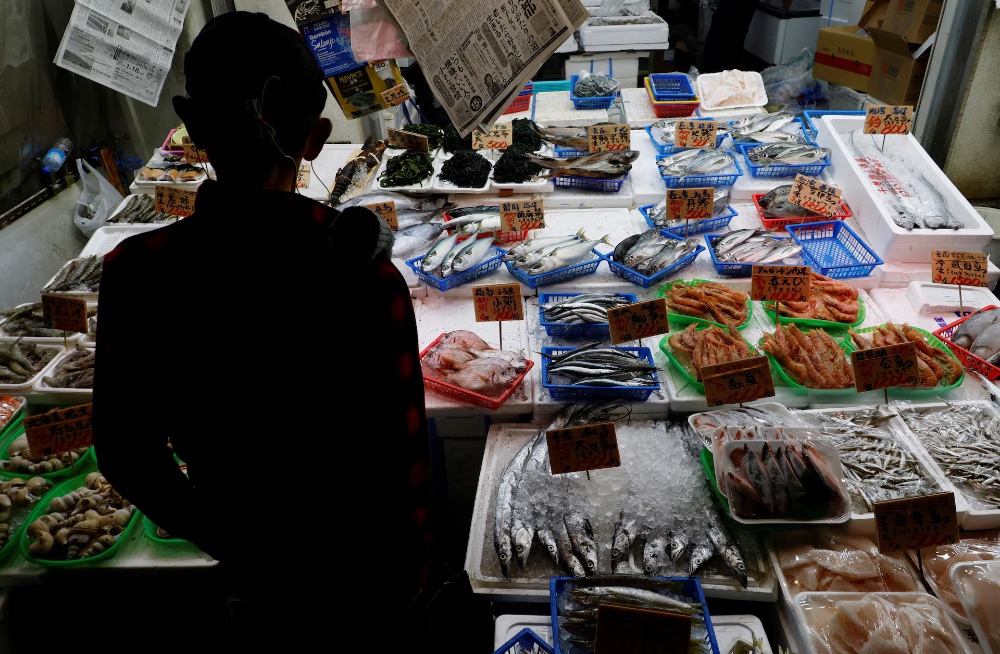
Tokyo/ Beijing (Market Insider) – Japan’s escalating diplomatic clash with China is now spilling deep into global supply chains and regional markets, as Beijing signals a full ban on Japanese seafood imports—an economic weapon that could reverberate across Asia’s security and trade landscape. The move comes just weeks after Japan’s new prime minister, Sanae Takaichi, warned that a Chinese attack on Taiwan threatening Japan’s survival could trigger a military response, comments that have ignited fury in Beijing and triggered tit-for-tat retaliation far beyond traditional diplomacy.
Chinese authorities, according to multiple Japanese media outlets, have informed Tokyo that they will halt all seafood imports, a blow that threatens one of Japan’s key export sectors and disrupts a supply line relied on by consumers and restaurants across China, the world’s second-largest economy. Beijing has simultaneously urged its citizens to avoid travel to Japan, prompting mass cancellations that could deal a heavy blow to an economy where tourism accounts for nearly 7% of GDP and Chinese visitors represent roughly one-fifth of total arrivals.
China’s foreign ministry spokesperson Mao Ning said the current climate made exporting Japanese seafood to China “impossible,” warning of “stern and resolute” countermeasures unless Takaichi retracts her Taiwan-related remarks. Tokyo has refused, insisting her comments align with Japan’s official stance, leaving little room for a diplomatic reset.
The seafood ban marks a stunning reversal. Just months earlier, Beijing had partially lifted restrictions imposed after Tokyo began releasing treated wastewater from the Fukushima nuclear plant into the Pacific. China now cites the need for more monitoring, according to NHK and Kyodo, but the timing underscores that the dispute is increasingly political, not scientific. Nearly 700 Japanese exporters have applied to resume seafood shipments to China, yet only three have been approved, Japan’s agriculture ministry said.
The fallout is spreading fast through business, academia, and entertainment. More than 10 Chinese airlines have issued blanket refund policies for Japan-bound flights through year-end, and analysts estimate as many as 500,000 tickets have already been cancelled. Staff at a major state-owned Chinese bank say internal directives now quietly discourage Japan travel altogether. Joint academic forums have been postponed, cultural exchanges cancelled, and even Japanese comedians and music acts have pulled out of events in Shanghai and Guangzhou due to “unavoidable circumstances.”
The freeze is hitting soft-power channels as well. Screenings of Japanese films in China have been suspended, and Japanese celebrities—acutely aware of China’s volatile online climate—are posting public declarations of support for Beijing’s “One China” principle to avoid backlash.
The risk now is that a diplomatic flare-up evolves into a full-scale economic and cultural decoupling between Asia’s two largest economies. With Japan a key US ally and China sharpening its stance on Taiwan, investors are watching closely for signals of broader retaliation that could reshape trade flows, supply chains, and regional stability.
For now, one question looms: if political rhetoric alone can trigger this level of disruption, what happens when the Taiwan issue becomes more than just words?
