
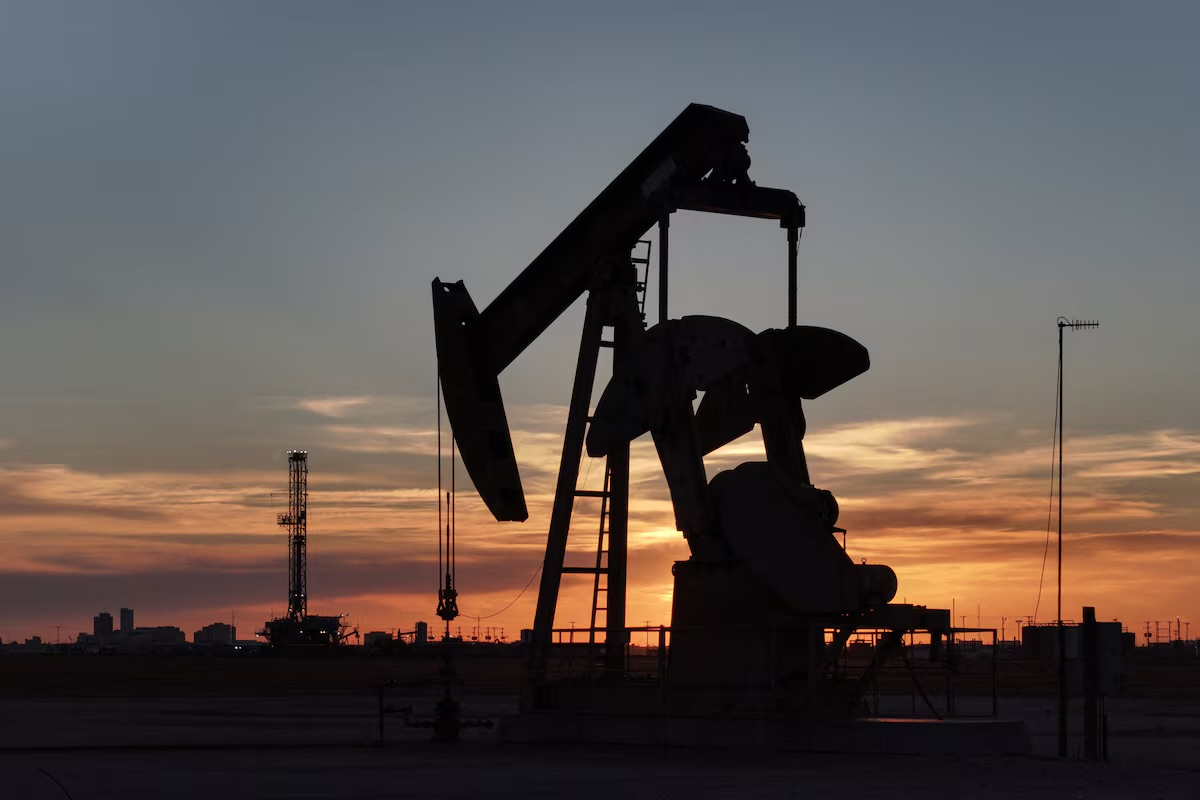
Nearly one-fifth of global crude lies beneath one country, reshaping energy geopolitics
Few statistics explain global power as clearly as this one: Venezuela holds the largest proven crude oil reserves on the planet. According to the OPEC 2024 report, Venezuela controls roughly 303 billion barrels of proven reserves—almost 20% of the global total. In an era defined by energy insecurity, geopolitical conflict, and supply-chain fragmentation, that concentration of oil wealth carries consequences far beyond Latin America.
Venezuela now ranks ahead of traditional energy heavyweights such as Saudi Arabia, which holds about 267 billion barrels, and Iran with 209 billion barrels. Together, the top three countries account for nearly half of the world’s proven crude reserves, underscoring how tightly global energy security is tied to a handful of political systems. This concentration explains why shifts in these countries—whether sanctions, regime change, or conflict—can ripple instantly through oil prices and financial markets worldwide.

The list also reinforces the enduring dominance of OPEC members in controlling long-term supply. Beyond Venezuela, Saudi Arabia, and Iran, countries such as Iraq, the United Arab Emirates, and Kuwait hold massive reserves, anchoring the cartel’s influence despite decades of talk about diversification and energy transition. Even Libya, often disrupted by internal conflict, remains among the world’s top reserve holders.
Outside OPEC, Canada stands out as the largest non-member, ranking fourth globally with 171 billion barrels—largely locked in oil sands that require high capital and environmental trade-offs. By contrast, the United States ranks last among the top ten, with about 45 billion barrels. The gap highlights a crucial distinction: the US leads the world in oil production, but not in long-term reserve depth, making it structurally different from reserve-rich states.
For investors and policymakers, the implication is clear. Control over oil reserves—not just current output—remains a central pillar of geopolitical leverage. Venezuela’s near–one-fifth share of global crude explains why its political trajectory commands such intense international attention. Whether those reserves become a stabilizing force for global energy markets or a persistent source of volatility will depend not on geology, but on governance—reminding the world that in energy, politics still matter as much as physics.
