
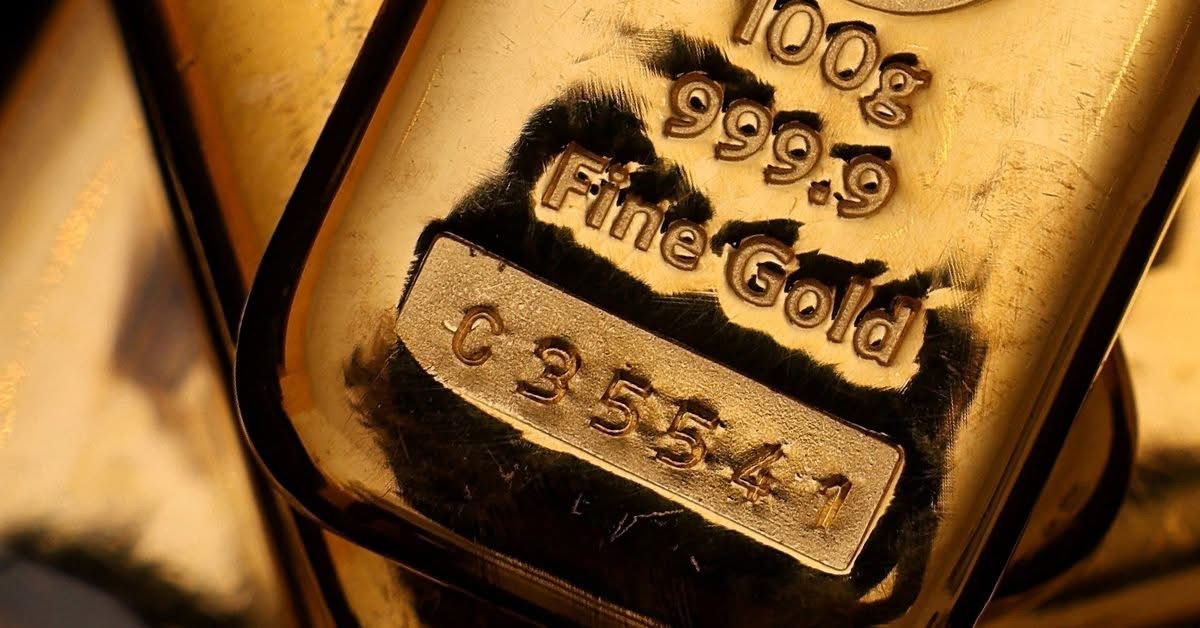
Bullion slips as oil-driven inflation dims rate-cut outlook despite ongoing geopolitical tensions.
MARKET INSIDER – Gold is losing momentum as markets weigh conflicting signals from the Middle East, with fading safe-haven demand colliding against rising interest rate expectations. Spot Gold fell toward $4,470 per ounce, reversing recent gains as investors shift focus from geopolitical risk to monetary policy implications.
The driver is increasingly clear: oil, not war alone, is shaping gold’s trajectory. With Brent crude holding above $100 per barrel, inflation concerns are intensifying—pushing markets to scale back expectations for rate cuts from the Federal Reserve. Higher interest rates reduce the appeal of non-yielding assets like gold, creating a counterintuitive dynamic where geopolitical instability does not necessarily translate into sustained gains for bullion.
The geopolitical backdrop remains highly uncertain. Donald Trump has suggested Iran is eager to reach a deal, while Iranian officials maintain they are only reviewing proposals and have no intention of direct talks. This divergence in messaging has turned gold into a headline-driven asset, with short-term price movements reacting rapidly to shifts in negotiation sentiment.
Analysts say the next 48 hours could be critical. Markets are not only watching for signs of diplomatic progress but also assessing the risk of further escalation, including potential ground operations. In this environment, gold is caught between two opposing forces: safe-haven demand driven by conflict risk, and downward pressure from rising yields and a stronger dollar.
The shift in rate expectations is already stark. Markets are now pricing in almost no chance of a rate cut this year, a sharp reversal from earlier expectations of multiple cuts. This repricing reflects the growing influence of energy-driven inflation, which is feeding directly into central bank policy outlooks.
For investors, the message is nuanced. Gold’s long-term case—supported by geopolitical uncertainty and structural demand—remains intact. But in the short term, its direction will depend less on the existence of conflict and more on how that conflict shapes inflation and interest rates.
The key takeaway: in today’s market, gold is no longer just a hedge against crisis—it is a trade on policy. And until clarity emerges on both diplomacy and central bank direction, expect volatility to remain the defining feature of the precious metals market.
