
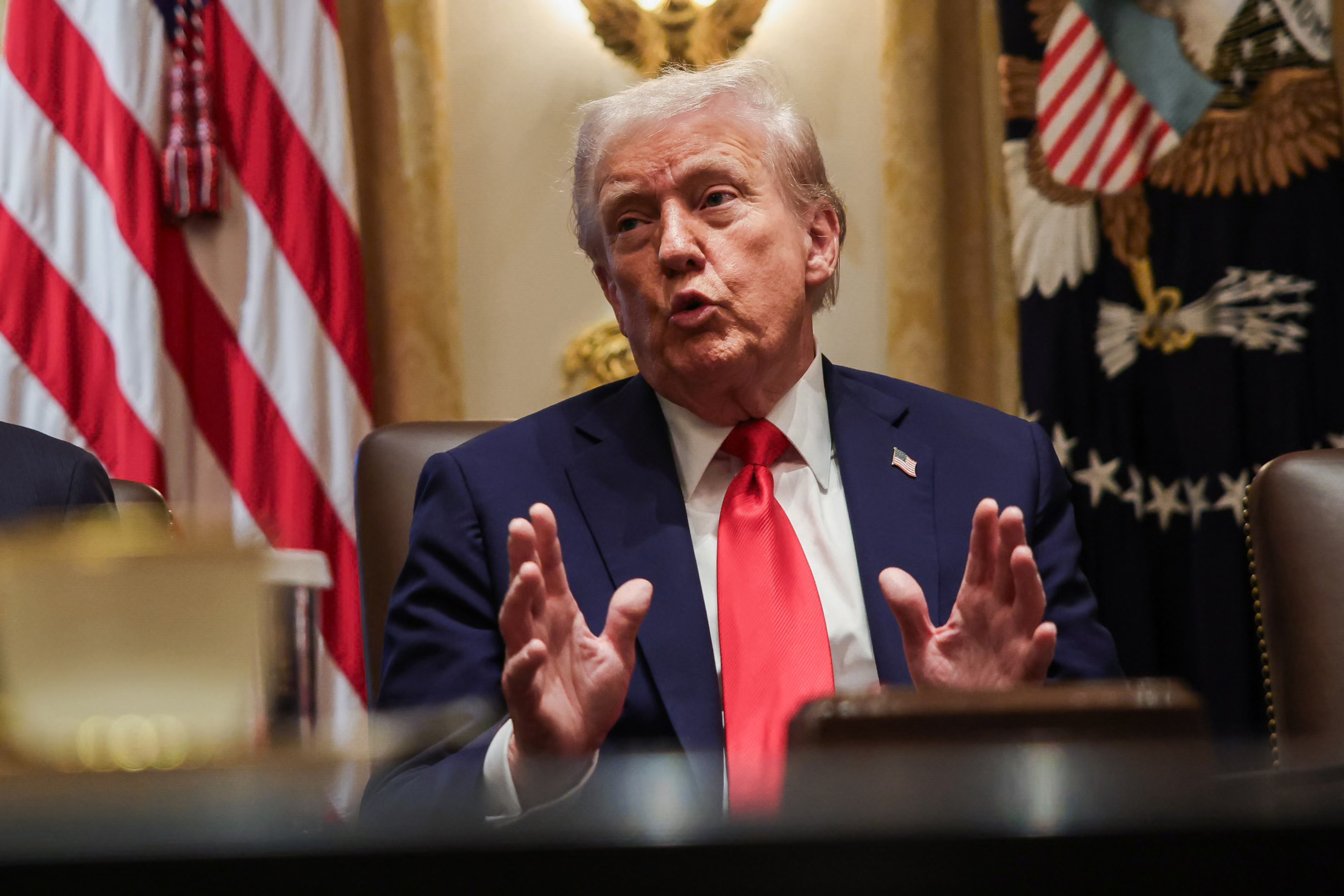
U.S. president links trade penalties to a controversial push to buy the Arctic territory
MARKET INSIDER – The transatlantic alliance was jolted this weekend after Donald Trump warned that several NATO members would face escalating U.S. tariffs unless negotiations begin over the “complete and total” purchase of Greenland. The move injects trade coercion into geopolitics at a moment when Western unity is already under strain.
In a post on Truth Social, Trump said goods entering the United States from eight NATO countries—Denmark, Norway, Sweden, France, Germany, the United Kingdom, the Netherlands, and Finland—will be hit with a 10% tariff starting February 1. The duties would then rise sharply to 25% on June 1 if no deal is reached. The announcement reframes a long-ridiculed idea from Trump’s first term—buying Greenland—into a tangible economic threat.
The implications extend far beyond a single territory. Greenland sits at the center of Arctic shipping lanes, rare-earth mineral deposits, and U.S.-China strategic competition. By tying tariffs to territorial negotiations, Trump signals a transactional approach to alliances, one that could redraw how trade leverage is used among partners within NATO.
For Europe, the threat lands at a delicate time. Several of the targeted economies are already navigating slowing growth and supply-chain realignments. A sudden jump to 25% tariffs on exports to the U.S. would hit manufacturing, energy equipment, and advanced industrial goods—sectors critical to transatlantic integration.
Whether the gambit is a negotiating tactic or a genuine policy shift remains unclear. But the message is unmistakable: in a second Trump presidency, economic pressure could become a primary tool of foreign policy—even among allies. That raises a question global markets and policymakers cannot ignore: if tariffs are now bargaining chips between friends, what rules still govern the world trading system?
