
Rising military tensions and flight uncertainty spark coordinated global advisories
MARKET INSIDER – A growing list of governments is urging their citizens to leave Iran immediately, as escalating tensions in the Middle East raise fears of sudden airspace closures and potential military confrontation. The coordinated travel advisories signal mounting concern that the security situation could deteriorate rapidly—leaving foreign nationals stranded.
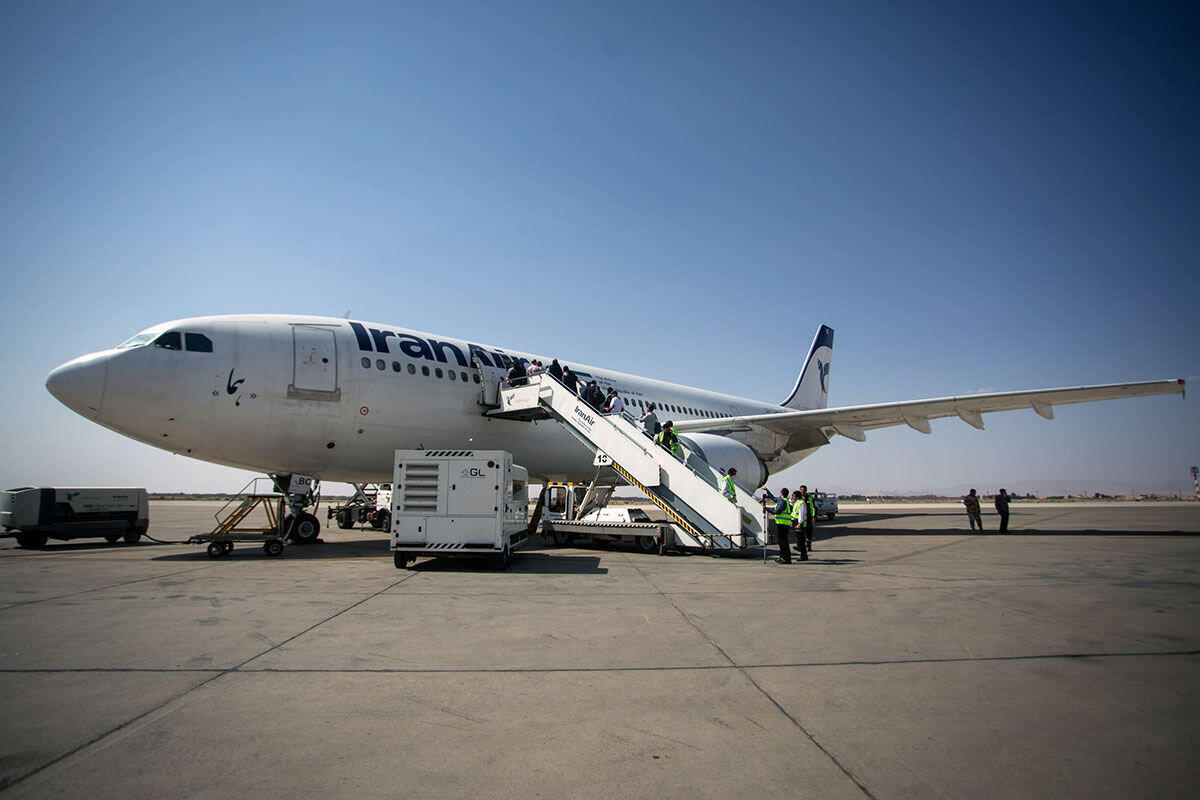
On February 23, the Embassy of the Republic of Korea in Iran advised South Korean nationals to depart while commercial flights remain operational. Seoul maintains a Level 3 travel advisory for Iran, recommending citizens avoid travel and urging those already in the country to leave unless their stay is absolutely necessary. Officials warned that if tensions intensify, outbound flights could be suspended with little notice.
The Embassy of India in Iran issued a similar message, urging Indian students, pilgrims, businesspeople, and tourists to exit Iran using available commercial transport. The Indian government had already cautioned against non-essential travel in January, citing unrest and security instability. Indian officials asked citizens to ensure their passports and identification documents are ready and to contact the embassy for assistance.
European governments have followed suit. Sweden’s foreign minister publicly urged Swedish nationals to leave, while Serbia, Germany, Poland, and Australia advised against travel to Iran and called on citizens currently there to depart as soon as safely possible. Polish Prime Minister Donald Tusk warned that evacuation could become impossible within hours if conditions worsen—highlighting the urgency behind these advisories.
The diplomatic warnings coincide with reports of increased U.S. military activity in the region and discussions within Washington about potential military options. According to sources familiar with internal deliberations, Donald Trump has been briefed on contingency plans that could include targeted strikes on Iranian military or nuclear infrastructure. While no action has been formally announced, the possibility of escalation is enough to prompt precautionary moves by foreign governments.
For global markets and multinational businesses, the developments underscore the fragility of regional stability. Iran sits at the center of critical energy shipping routes, and any conflict could disrupt oil flows, commercial aviation, and regional supply chains. Travel advisories are often an early signal of diplomatic risk management, reflecting assessments that even limited military action could quickly affect civilian transport and consular operations.
The immediate message from capitals around the world is clear: leave while you can. Whether the situation stabilizes or escalates will depend on diplomatic maneuvering in the coming days—but the coordinated evacuation calls suggest that governments are preparing for a scenario in which access to Iran becomes far more difficult, and potentially dangerous, on short notice.
