
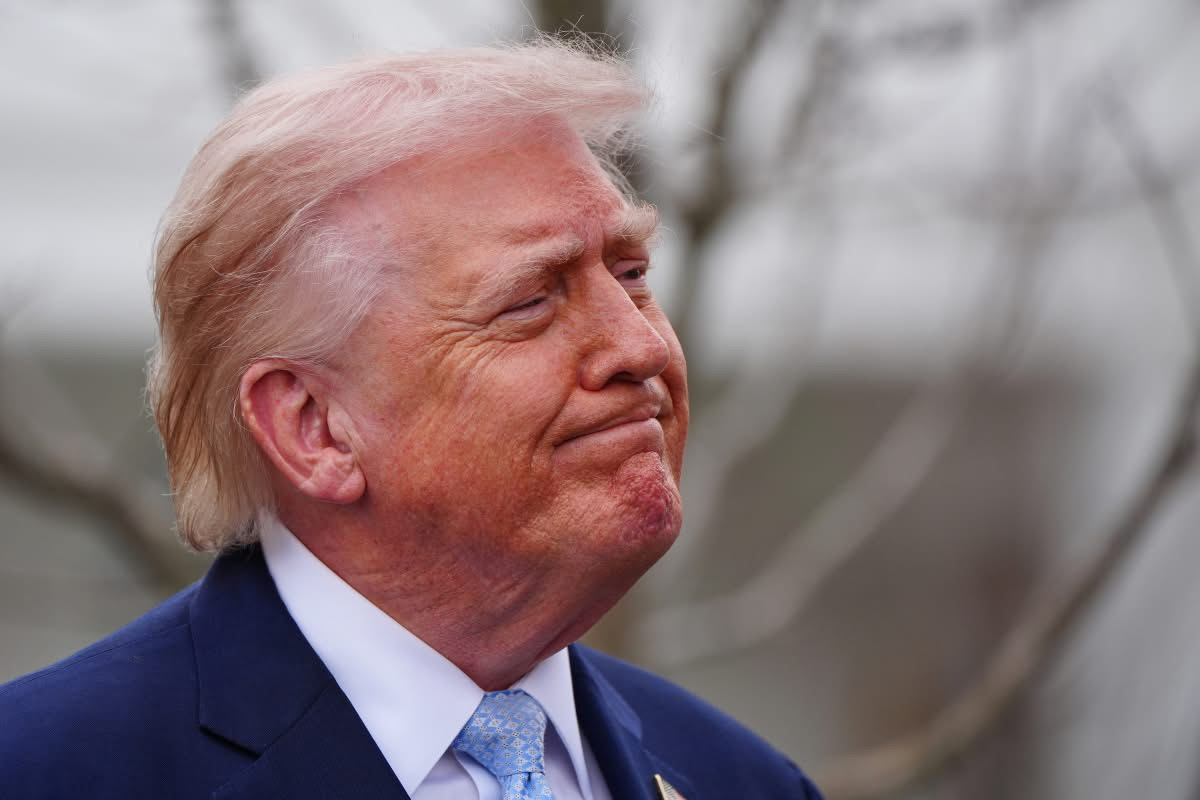
Remark underscores geopolitical stakes as Hormuz disruption reshapes global energy markets and investor sentiment.
MARKET INSIDER – In the middle of one of the most consequential energy disruptions in decades, Donald Trump injected a moment of levity—with strategic undertones—by referring to the Strait of Hormuz as the “Strait of Trump.”
The comment, delivered during a high-profile investment summit in Miami, drew laughter. But behind the humor lies a serious reality: control over Hormuz has become the single most important variable in today’s global energy equation.
Roughly 20 million barrels of oil per day—about a fifth of global supply—normally pass through the strait. Since the escalation of conflict with Iran, that flow has been severely disrupted, triggering sharp spikes in oil prices, inflation fears, and volatility across global markets.
Trump’s remark also reflects a broader narrative emerging from Washington: that resolving the conflict may hinge on control—direct or indirect—over Hormuz. The president has previously suggested the possibility of joint oversight of the waterway as part of a negotiated settlement, while also signaling willingness to escalate if Iran does not comply with U.S. demands.
Tehran, however, continues to deny any direct negotiations, maintaining leverage by demonstrating its ability to restrict passage through the strait. This dynamic has effectively turned Hormuz into both a military and economic pressure point—where energy flows, diplomacy, and market stability intersect.
For investors, the episode highlights a critical shift. Markets are no longer reacting just to traditional economic indicators—they are being driven by geopolitical choke points. Oil prices, equity markets, and even central bank expectations are increasingly tied to developments in a narrow stretch of water between the Persian Gulf and the open ocean.
The symbolic renaming joke may resonate politically, but it also underscores a deeper truth: whoever controls Hormuz controls a significant portion of the global economy’s lifeblood.
The forward-looking question is no longer whether Hormuz matters—but how long the world can function with it operating under uncertainty. In today’s market, a single maritime corridor has become the axis around which global risk is priced.
