
Strait of Hormuz disruption, U.S. embassy drone strike, and global selloff rattle energy, FX and equity markets
A widening Israel-Iran war is no longer a regional flashpoint—it is rapidly reshaping global markets. Oil prices have surged toward one-year highs, the U.S. dollar has snapped back from its de-dollarization slump, and equities from Europe to Asia are tumbling as investors brace for a prolonged disruption centered on the Strait of Hormuz, the artery of global energy trade.
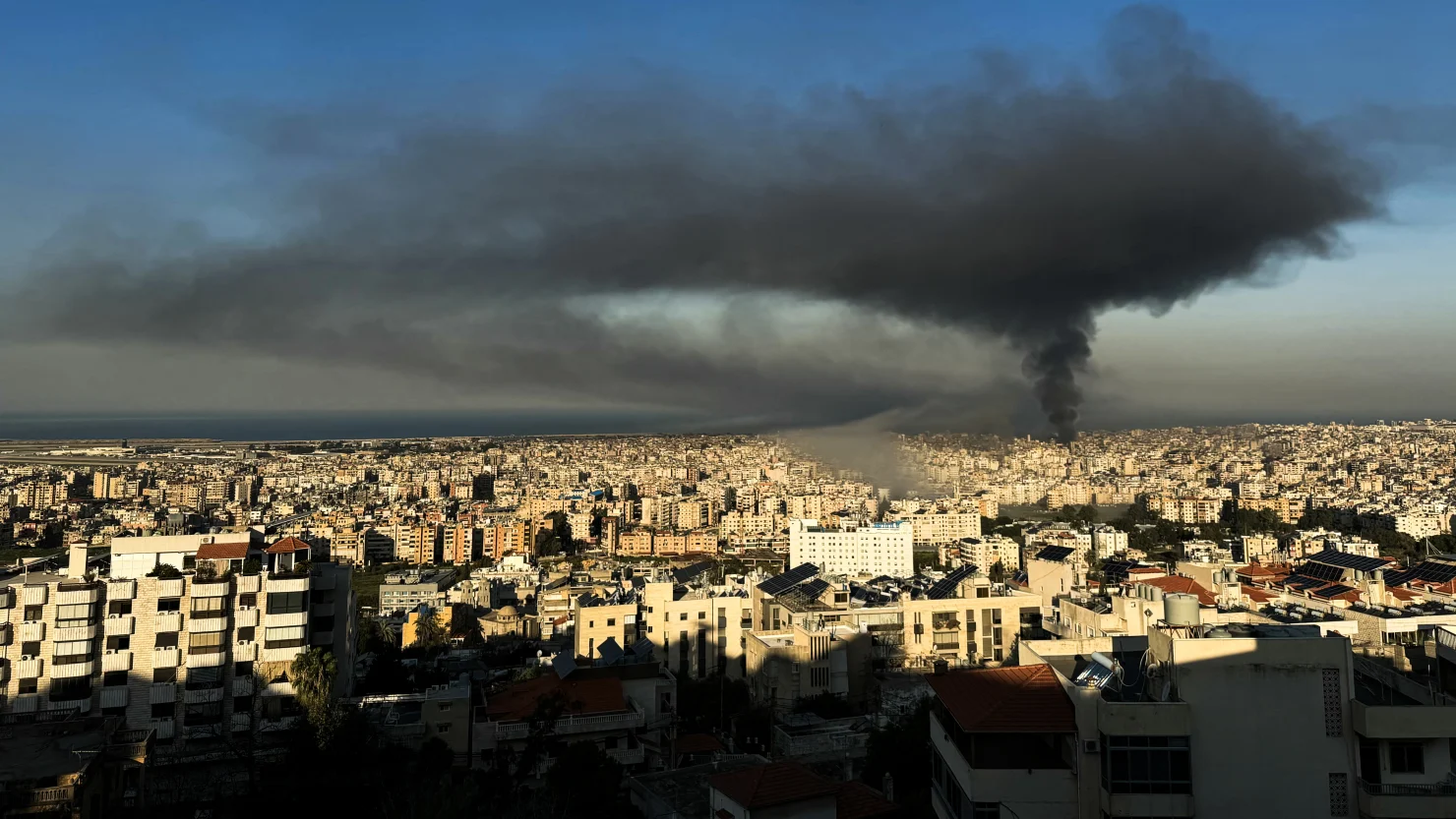
The escalation intensified after Israel expanded military operations into southern Lebanon and conducted simultaneous strikes in Tehran and Beirut, while drones struck the U.S. Embassy in Riyadh. As Washington ordered evacuations of personnel from Bahrain, Iraq and Jordan, traders pivoted decisively into classic stress trades: long crude, long dollar, short risk.
Brent crude futures climbed more than 5% to near $82 per barrel, extending a sharp rally that began with reports that Iran had effectively closed the Strait of Hormuz. West Texas Intermediate surged in tandem. Roughly 20% of global oil shipments and a significant portion of liquefied natural gas exports transit the narrow corridor. Shipping markets reacted violently, with Very Large Crude Carrier rates from the Middle East to China spiking to record levels above $420,000 per day as insurers and operators priced in geopolitical risk.
Currency markets told a parallel story. The U.S. Dollar Index from ICE rose nearly 1%, reversing part of a year-long slide that had been fueled by de-dollarization narratives. Strategists noted that in times of systemic stress, global trade and energy transactions still clear in dollars, forcing a scramble for USD liquidity regardless of ideological shifts. The greenback’s rebound underscores a structural truth: reserve currency status reasserts itself quickly during terms-of-trade shocks.
Equities, meanwhile, absorbed the fallout. Europe’s STOXX Europe 600 dropped sharply, with banks, insurers and mining stocks leading declines. Even defense shares—initial beneficiaries of heightened geopolitical tension—failed to hold gains. In Asia, South Korean defense manufacturers briefly soared as investors chased military procurement exposure, before paring advances as broader risk aversion set in.
The conflict’s digital infrastructure dimension added a new layer of vulnerability. Amazon Web Services confirmed that drone strikes damaged three Middle East data centers in the UAE and Bahrain, forcing facilities offline and highlighting how modern warfare now directly intersects with cloud computing and global enterprise systems. For multinational firms relying on regional data hubs, operational continuity has suddenly become a front-line concern.
Diplomatic signals remain fluid. The Kremlin said President Vladimir Putin is attempting to de-escalate tensions, while analysts caution that Iran’s strategic partners, including Russia and China, are unlikely to intervene directly. Meanwhile, questions swirl inside Tehran over succession planning for Ali Khamenei, a development that could reshape Iran’s internal power balance at a moment of acute external pressure.
For global investors, the decisive variable is duration. A brief disruption could leave oil below $90 and markets bruised but stable. A prolonged blockade of Hormuz could push crude toward triple digits, reignite global inflation, complicate central bank policy, and deepen supply-chain fractures from Asia to Europe. Energy-import dependent economies such as India, Thailand and South Korea face heightened vulnerability, while exporters may see temporary windfalls.
Markets are now trading not just missiles and drones, but liquidity, logistics and leadership uncertainty. The world spent the past year debating de-dollarization and energy transition resilience. This week is a reminder that geopolitics can snap correlations back into place overnight—and that in a crisis, the old architecture of oil, shipping lanes and dollar funding still defines the rules of the game.
