
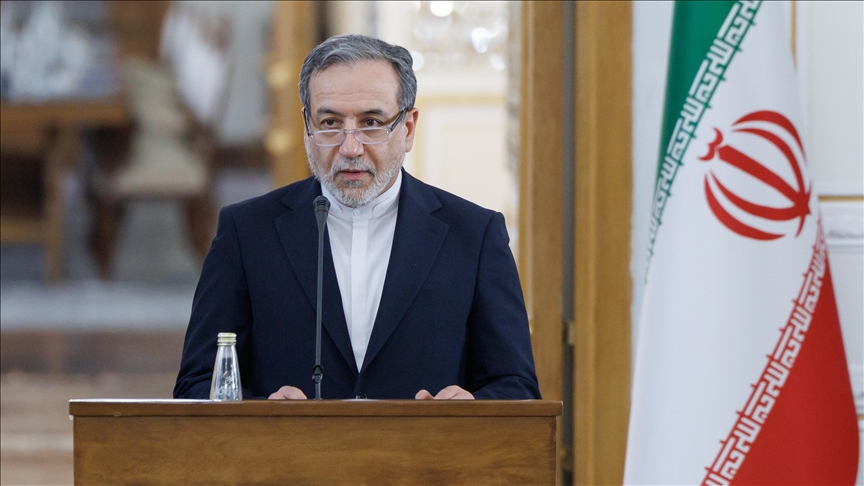
Tehran calls U.S. announcement “psychological warfare” to lower oil prices and buy time; insists no direct or indirect contact occurred
MARKET INSIDER – Iran swiftly dismissed U.S. President Donald Trump’s Truth Social post claiming “very good and productive conversations” with Tehran over a “complete and total resolution” of hostilities, with the Foreign Ministry and state-affiliated media insisting no negotiations—direct, indirect, or through intermediaries—are underway. In statements carried by Fars News Agency (IRGC-linked) and Mehr News on March 23, 2026, Iranian officials rejected the narrative outright, describing Trump’s announcement of a five-day pause on strikes against power plants and energy infrastructure as an attempt to “lower energy prices and buy time to implement his military plans.”
A senior Iranian official, quoted by Fars, asserted: “There has been no direct contact with Mr. Trump, not even through an intermediary.” The outlet framed the move as Trump “backing down” after Iran’s “stern warning” that any attack on its energy sites would trigger retaliation against power plants across West Asia. The Foreign Ministry echoed this, stating: “There is no dialogue between Tehran and Washington,” and emphasizing that “all requests to de-escalate tensions” should be directed at the U.S. as the instigator of the war. Tehran reiterated its position: no negotiations before achieving its goals, while remaining open to transparency on its peaceful nuclear program under international oversight.
The denial came hours after Trump’s post suspending planned strikes—conditional on ongoing discussions—superseding his Saturday 48-hour ultimatum to reopen the Strait of Hormuz or face attacks on power plants. Iranian media portrayed the pause as a concession driven by fear of regional retaliation, including threats to target U.S.-linked energy and desalination facilities in the Gulf.
The conflicting narratives highlight deep mistrust amid the war’s fifth week: U.S. sources (including Axios reports) suggest initial back-channel discussions involving envoys like Steve Witkoff and Jared Kushner, potentially mediated by Egypt and Qatar, with any deal likely addressing Hormuz reopening, enriched uranium stockpiles, missile programs, and proxy support. Iran’s conditions—immediate ceasefire, non-recurrence guarantees, and reparations (rejected by Trump as “unacceptable,” though possibly reframed as unfreezing assets)—remain far apart from U.S. demands like suspending missile activity, halting enrichment, dismantling reactors, and ending proxy funding.
For global markets, the public contradiction tempers Monday’s sharp relief rally: oil’s 6-8% drop and equity surge (Dow +829 points at open) reflected de-escalation optimism, but Iran’s firm denial injects fresh uncertainty. If no verifiable channel exists—or if talks collapse—the five-day window risks expiring without progress, potentially reigniting strikes and oil volatility. Yet the exchange itself—however disputed—marks the first public acknowledgment of communication pathways since escalation, keeping a narrow diplomatic door ajar.
The contrarian lens: Iran’s rejection may be posturing to maintain leverage and domestic unity, while indirect talks (via Oman, Qatar, or others) quietly advance. Markets will parse every follow-up: confirmation of intermediaries, partial Hormuz concessions, or renewed threats could swing sentiment violently. With oil still elevated and inflation risks lingering, the next 120 hours remain pivotal—testing whether this is genuine de-escalation groundwork or merely headline noise in a protracted conflict.
