
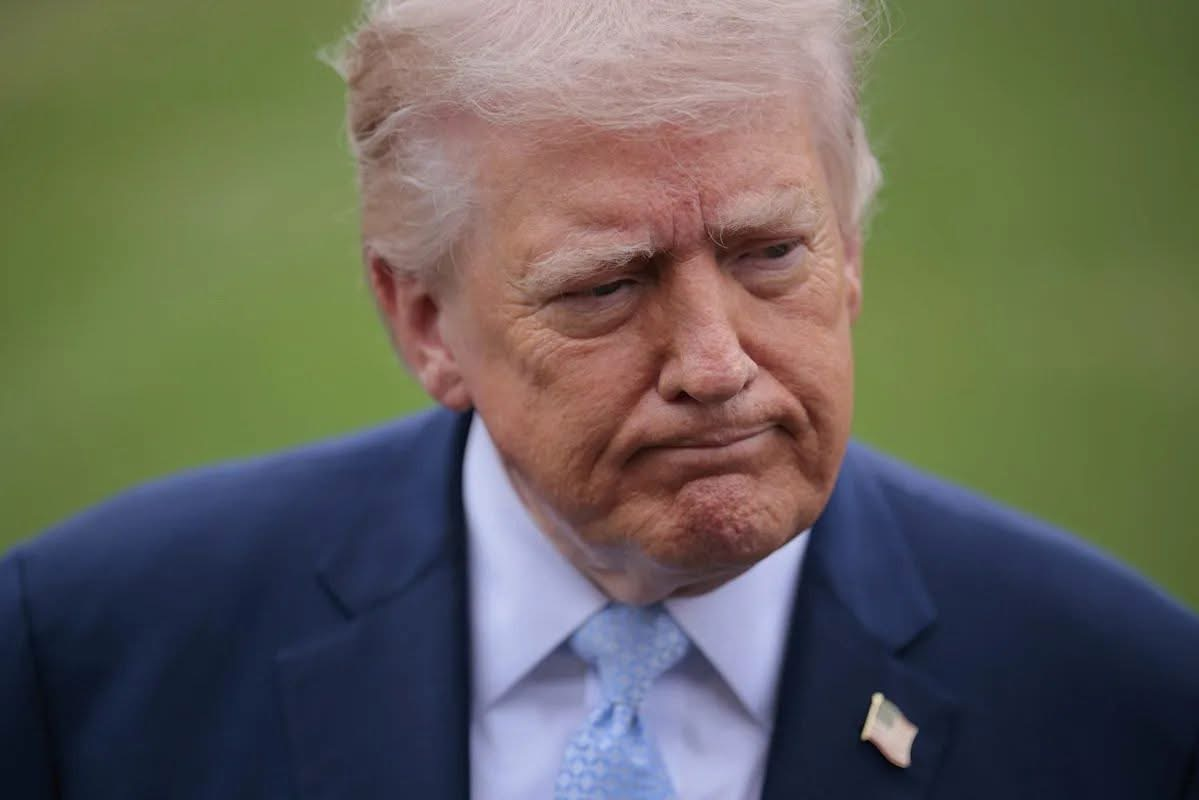
Memphis speech outlines U.S. strategy: overwhelming force paired with coercive diplomacy to force Tehran into negotiations.
MARKET INSIDER – The United States is attempting a delicate balancing act in its escalating conflict with Iran—projecting overwhelming military strength while opening a narrow window for diplomacy. In a high-profile speech in Memphis, Donald Trump framed the temporary halt of planned airstrikes not as restraint, but as leverage—an effort to force Tehran into negotiations from a position of weakness.
Speaking alongside senior officials including Pete Hegseth, Trump described the decision to pause attacks on Iranian energy and power infrastructure as a calculated move. According to his narrative, the U.S. has demonstrated it can escalate at will, but is deliberately holding back to create what he portrayed as a diplomatic “exit window.” The message is clear: Washington wants to negotiate—but only on terms shaped by its military advantage.
Trump repeatedly emphasized that recent exchanges with Tehran have been “productive,” suggesting that Iran is now engaging seriously. However, he attributed this shift not to diplomacy itself, but to the impact of sustained U.S. military pressure. In this framing, deterrence precedes dialogue—military force is not a last resort, but the mechanism that compels negotiation.
At the core of the U.S. position remains a non-negotiable red line: Iran must not acquire nuclear weapons. Trump reiterated longstanding criticism of previous agreements and positioned the current campaign as a preemptive effort to prevent a future strategic threat. By linking military action directly to nuclear containment, the administration is seeking to justify escalation as both defensive and necessary.
The speech also leaned heavily on claims of battlefield success. Trump asserted that U.S. and allied forces have “decimated” Iran’s military capabilities, citing damage to missile systems, drone programs, naval assets, and air defenses. While such claims are difficult to independently verify in real time, they serve a clear strategic purpose—reinforcing domestic support and strengthening Washington’s perceived bargaining position.
Beyond immediate tactics, the remarks reflect a broader doctrine. The administration’s approach—articulated alongside Hegseth—centers on decisive use of force, rapid escalation capability, and negotiating from dominance. It is a model that prioritizes clarity and deterrence over ambiguity, aiming to reshape adversaries’ calculations through visible strength.
For global markets and policymakers, the implications are significant. This dual-track strategy—military escalation paired with conditional diplomacy—introduces both opportunity and risk. A successful negotiation could stabilize energy markets and reduce geopolitical volatility. But the narrow margin for error means any breakdown could trigger renewed escalation, with immediate consequences for oil prices, inflation, and global risk sentiment.
The broader question now is whether coercive diplomacy can deliver a durable outcome—or whether it simply raises the stakes of an already fragile conflict. In today’s geopolitical landscape, the line between leverage and escalation has rarely been thinner.
