
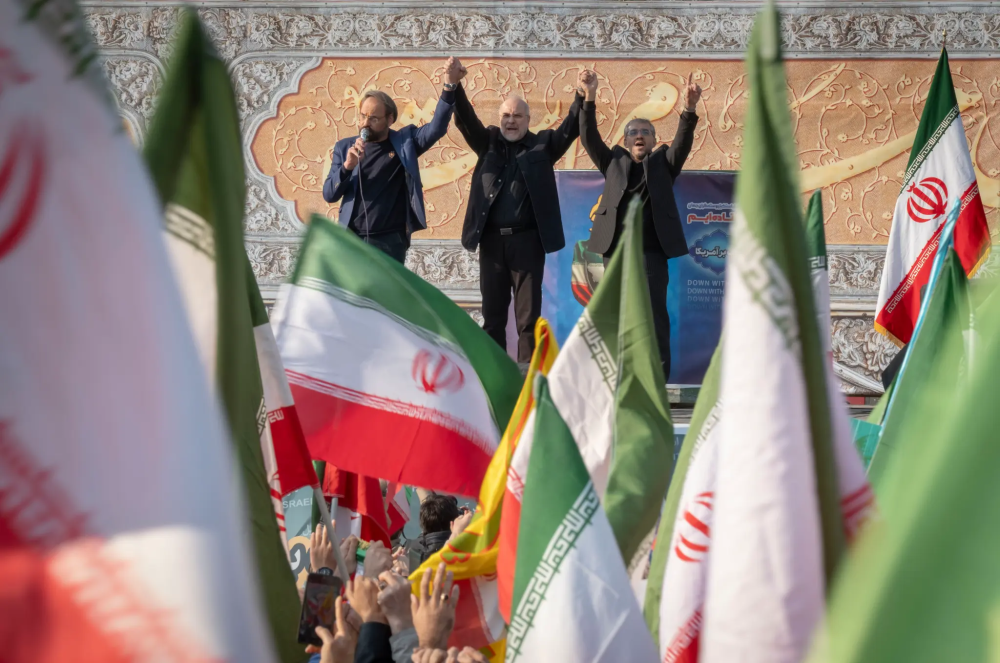
Tehran suspects negotiations could be a ploy to target senior leaders as trust collapses in wartime diplomacy.
MARKET INSIDER – A new layer of distrust is complicating already fragile efforts to de-escalate the conflict involving Iran, as officials in Tehran fear that U.S.-led peace talks could be a strategic trap rather than a genuine diplomatic opening. The concern underscores how deeply mistrust now defines the geopolitical landscape—where even negotiations are viewed through the lens of potential military deception.
According to reports, Iranian leaders are wary that any face-to-face talks could be used to lure high-ranking officials into vulnerable settings. Particular concern centers on Mohammad Bagher Ghalibaf, one of the most senior surviving figures in Iran’s leadership following recent strikes. Tehran reportedly believes he could be a primary target in any such scenario, given his central role in both political and military decision-making.
The fears extend to recent signals from Donald Trump, who announced a temporary pause in planned strikes on Iranian energy infrastructure while citing “productive” discussions. Iranian officials, however, interpret the move differently—suggesting it may be designed to stabilize global oil prices before a renewed escalation, rather than to genuinely pursue peace.
This breakdown in trust highlights a critical obstacle for diplomacy. While backchannel communications—facilitated by regional actors—are reportedly ongoing, the absence of mutual confidence makes any transition to formal negotiations highly uncertain. In such an environment, even confidence-building measures can be perceived as tactical maneuvers rather than genuine steps toward resolution.
For global markets, the implications are significant. Oil prices, risk assets, and currency markets have become highly sensitive to even subtle shifts in rhetoric around negotiations. But as this latest development shows, the path to de-escalation is not just about willingness to talk—it is about whether both sides believe those talks are safe and credible.
The broader takeaway is stark: in modern geopolitical conflicts, diplomacy itself can become contested terrain. Until trust is rebuilt—or at least temporarily substituted with enforceable guarantees—any peace process may remain as volatile as the battlefield it seeks to end.
