
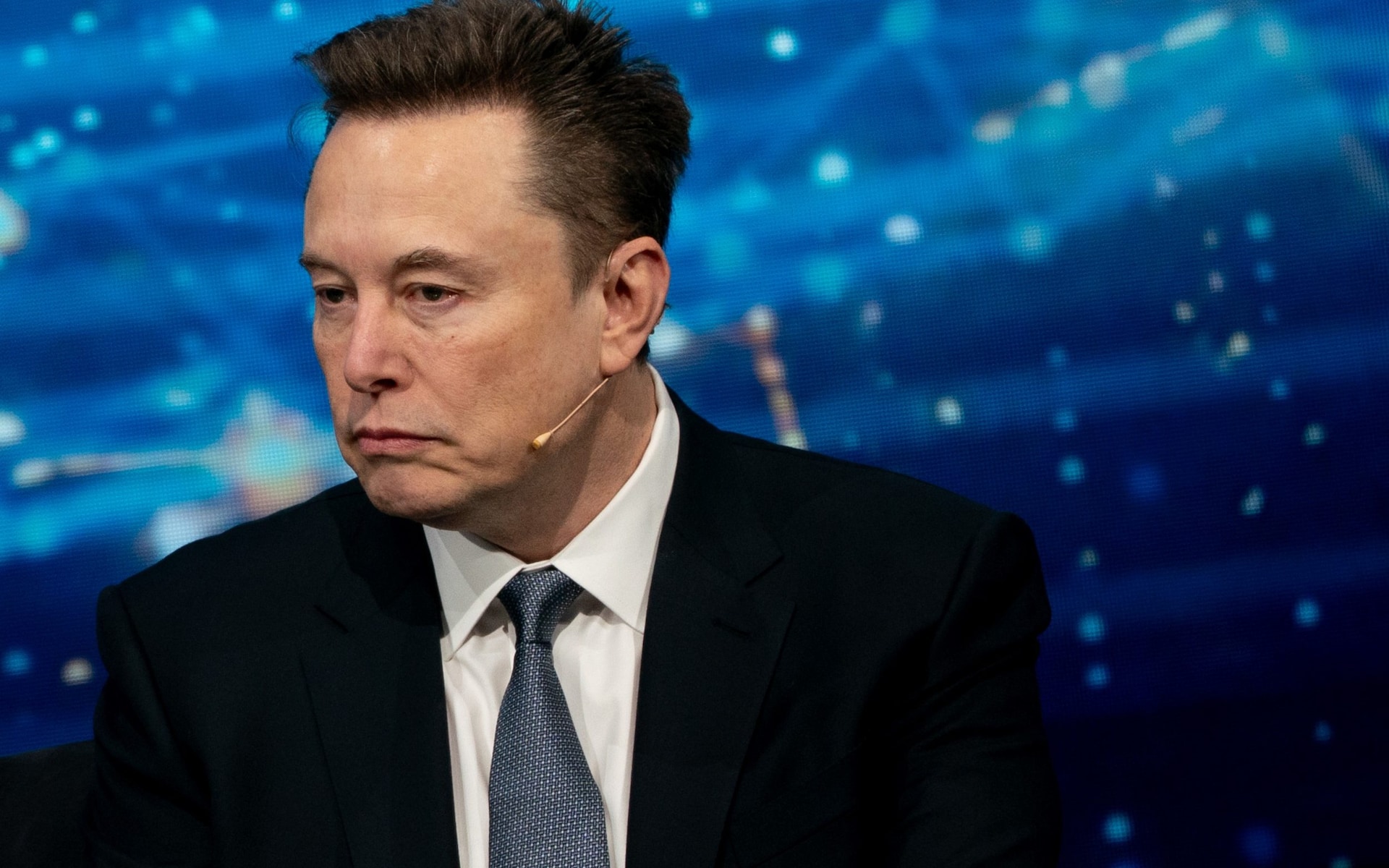
Billionaire’s surprise role in high-level talks highlights Big Tech’s growing influence in geopolitics and energy security.
MARKET INSIDER – In a development that blurs the line between statecraft and private power, Elon Musk reportedly joined a high-level call between Donald Trump and Narendra Modi to discuss the escalating war with Iran—a move that is drawing global attention and raising strategic questions.
The call, centered on the crisis in the Strait of Hormuz, comes at a moment when the waterway’s disruption is sending shockwaves through global energy markets. For India, one of Asia’s largest oil importers, the stakes are particularly high. Modi publicly emphasized the need to keep Hormuz “open, secure and accessible,” underscoring its role as a lifeline for global trade and energy stability.
Musk’s presence—confirmed by U.S. officials but not publicly disclosed at the time—remains unexplained. As a private citizen, his involvement in sensitive geopolitical discussions is highly unusual. However, it reflects a broader shift: technology leaders are increasingly operating at the intersection of infrastructure, security, and diplomacy.
That influence is not theoretical. Musk’s company SpaceX, through its Starlink satellite network, has already played a role in Iran’s information landscape, particularly during periods of internet shutdown. Reports that thousands of terminals were deployed inside Iran—despite legal risks for users—highlight how private technology platforms are becoming strategic assets in modern conflict environments.
The timing is also notable. After a period of tension between Musk and Trump, the apparent rapprochement suggests a realignment between political leadership and influential tech figures—especially as the conflict’s implications extend beyond military action to digital infrastructure, communications, and supply chains.
For global markets, this episode signals a deeper structural shift. The Iran conflict is no longer just about oil flows or military positioning—it is increasingly about who controls the systems that underpin modern economies, from energy routes to satellite networks.
The unresolved question is not why Musk joined the call—but whether such involvement becomes the norm. As geopolitical crises grow more complex, governments may rely more on private-sector capabilities that they do not fully control.
The contrarian insight: in the next phase of global power competition, influence may belong not only to nations—but to the individuals and companies that control critical infrastructure beyond borders.
