
Markets climb as oil surges, confidence drops, and geopolitics unsettle global outlook
MARKET INSIDER – European equities are climbing against the odds—defying intensifying Middle East conflict and a sharp deterioration in economic sentiment—highlighting a market increasingly driven by energy shocks and geopolitical recalibration rather than fundamentals.
On Monday, the pan-European Stoxx 600 reversed early losses to trade higher, even as fresh data showed weakening confidence across the euro area. For global investors, the divergence underscores a critical dynamic: markets may be pricing in short-term winners from conflict, even as long-term economic signals flash warning signs.
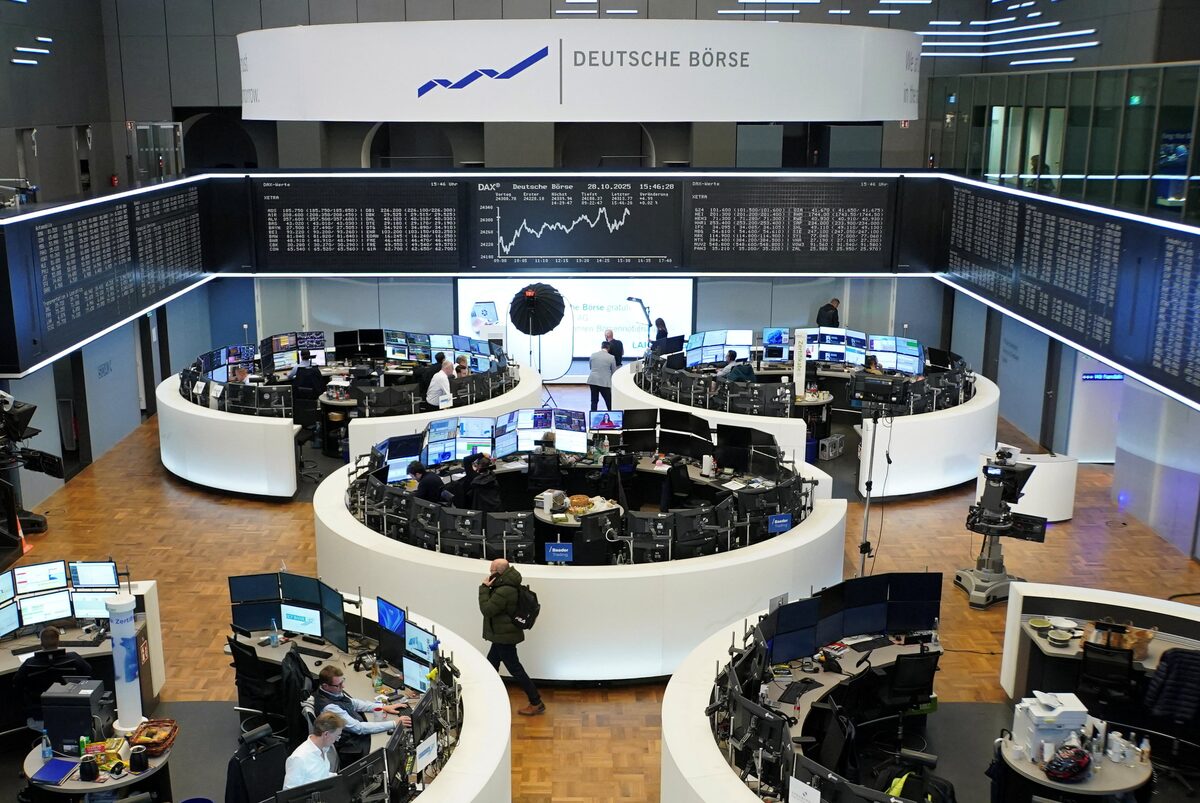
The region’s benchmark index rose around 0.5% by mid-afternoon in London, with the UK’s FTSE 100 outperforming on gains in mining and energy stocks. Germany’s DAX and France’s CAC 40 also edged higher. The rally came despite the European Commission reporting a drop in both its Economic Sentiment Indicator and Employment Expectations Index in March, while consumer confidence across the EU “plummeted”—a stark reflection of war-driven uncertainty and rising cost pressures.
At the center of the market’s resilience is energy. Oil prices surged above $100 per barrel after the conflict escalated, with U.S. crude climbing more than 2.5% in early trading. The geopolitical risk premium intensified after Donald Trump suggested the U.S. could seize Iran’s key export infrastructure, including Kharg Island, a critical oil hub. Meanwhile, Yemen’s Houthi forces launched missile strikes targeting Israel, signaling a widening regional conflict involving multiple actors aligned with Tehran.
The escalation is not just a regional flashpoint—it is rapidly becoming a global economic risk. Supply disruptions in the Strait of Hormuz, through which roughly a fifth of the world’s oil flows, could trigger sustained inflationary pressure, complicating monetary policy for central banks from the European Central Bank to the Federal Reserve. The urgency of the situation is evident: G7 finance and energy leaders convened an emergency meeting, their fourth since the conflict began, signaling rising concern over systemic spillovers.
Corporate moves offered selective optimism. Danish energy firm Ørsted surged more than 7% after an upgrade from Bank of America, reflecting a broader shift where even embattled renewable players are being reassessed amid energy security concerns. In a world of volatile fossil fuel supply, the long-term investment narrative around renewables may be quietly strengthening.
For investors, the current market reaction reveals a paradox. Equities are rising not because risks are fading—but because capital is rotating toward sectors positioned to benefit from instability. The real question now is whether this resilience signals strength—or complacency. If the conflict deepens and oil remains elevated, today’s rally could quickly give way to a far more turbulent global repricing.
