
Oil chokepoint at center of U.S.–Iran standoff as markets brace for prolonged volatility
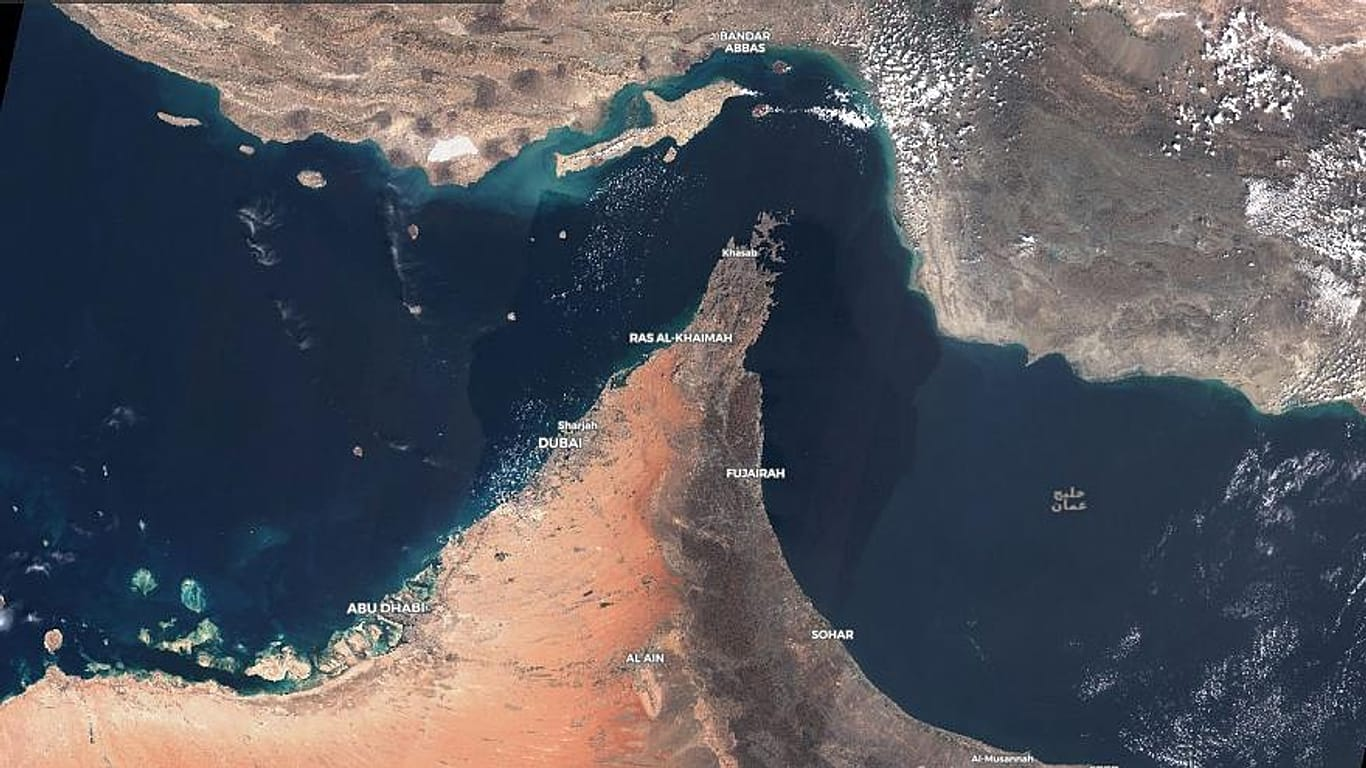
MARKET INSIDER – The global economy is once again hostage to a narrow strip of water. As tensions escalate between the United States and Iran, President Donald Trump has signaled that any ceasefire hinges on one critical condition: reopening the Strait of Hormuz, the artery through which roughly 20% of the world’s oil flows.
Posting on Truth Social, Trump claimed Iran’s president has requested a ceasefire, but warned Washington would only “consider” it once the strait is “open, free, and clear.” Until then, he escalated rhetoric sharply, declaring the U.S. would continue military pressure. The statement came just hours before a scheduled national address, underscoring the urgency—and volatility—of the moment.
The conflict, which began on Feb. 28 with coordinated strikes by the U.S. and Israel, has already sent shockwaves through global markets. Energy prices have swung wildly as Iran leverages its geographic advantage over the Strait of Hormuz, a chokepoint connecting the Persian Gulf to international waters. Any sustained disruption threatens supply chains from Asia to Europe, amplifying inflation risks and complicating central bank policy at a time when many economies are still stabilizing.
Despite claims from U.S. officials that Iran’s military capabilities have been “obliterated,” the ongoing disruption of the strait suggests a more complex reality. Control over Hormuz remains Tehran’s most potent strategic lever, allowing it to exert outsized influence on global oil flows even under pressure. For energy-importing nations—including China, India, and much of Southeast Asia—the stakes are immediate and severe.
Markets are now pricing in a prolonged standoff rather than a swift resolution. Oil traders, shipping insurers, and sovereign risk analysts are recalibrating scenarios that increasingly resemble past geopolitical shocks—but with tighter supply conditions and more fragile global growth. The uncertainty is also spilling into equities and currencies, reinforcing a broader risk-off sentiment.
If history is any guide, the battle over Hormuz is less about military dominance and more about economic leverage. The real question for investors is not whether a ceasefire will come—but whether the price of securing it will redefine energy geopolitics for years to come.
