
Limited military action near the Strait of Hormuz underscores the uncertainty facing energy markets as Washington pursues negotiations with Tehran.
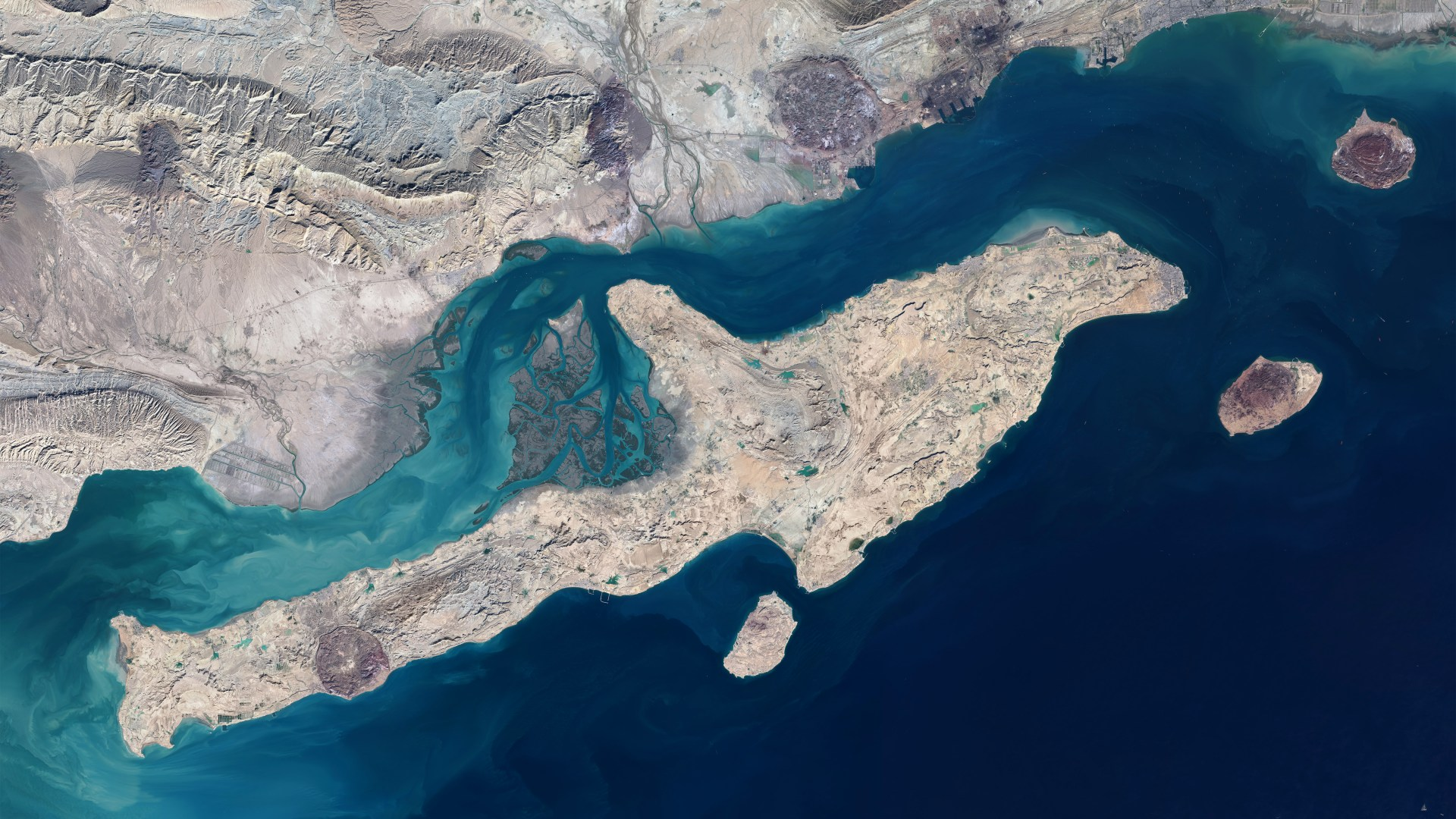
MARKET INSIDER — The United States carried out limited strikes on Iran’s Qeshm Island on Monday, according to U.S. officials cited by several news organizations, even as Vice President JD Vance expressed optimism about a negotiated settlement. Officials described the action as defensive rather than a resumption of major combat operations. The developments show military activity continuing alongside diplomacy, leaving businesses and investors uncertain about when regional security might improve. Qeshm’s proximity to the Strait of Hormuz gives the reported operation particular significance for oil shipments, although the reports did not establish any new disruption to commercial traffic.
Key Highlights
- U.S. officials said American forces conducted limited strikes on Qeshm Island, describing them as measures to protect U.S. assets.
- Vance expressed confidence in the possibility of a settlement but said Washington had set no deadline for an agreement.
- The reported operation adds uncertainty around Hormuz shipping without establishing that a broader offensive has begun.
Officials describe a limited operation
The Wall Street Journal first reported the attack, citing U.S. officials. Subsequent reporting by Reuters and CNN also cited officials describing American military action on Qeshm.
One official told Reuters that the strikes targeted Iranian forces using surface-to-air missiles against U.S. assets. The Pentagon referred questions to U.S. Central Command, which had not responded to the news agency’s requests for comment. Iranian state media reported explosions on the island. Details of casualties and damage were not available in that report.
The Journal also reported that Washington had conducted other limited strikes in recent weeks. According to an unnamed official quoted in the original CNBC report, the operations were deliberately kept quiet to avoid signaling an intention to launch a major escalation.
That description reflects the administration’s reported intent. It does not determine how Tehran will interpret the action or whether further exchanges will follow.
Vance keeps diplomacy in focus
Vance said Monday that he and President Donald Trump felt positive about the possibility of reaching an agreement with Iran.
He also cautioned that Iran remained unpredictable and said Trump retained both military and nonmilitary options. Washington had not imposed a deadline for a peace deal, he added.
CNN’s reporting similarly described the operation as limited and protective of U.S. assets, while noting that Vance continued to emphasize progress toward a diplomatic outcome.
The absence of a deadline leaves room for negotiations to continue. It also provides little certainty about how long the present combination of talks and military activity could last.
Secretary of State Marco Rubio had said on November 1 that Trump preferred a diplomatic resolution and would rather avoid using military force, according to the original report.
Trump, meanwhile, reiterated Monday that preventing Iran from acquiring a nuclear weapon remained a central U.S. objective. His remarks set out Washington’s stated rationale; they did not announce an agreed settlement or a new timetable for negotiations.
Why Qeshm matters to energy markets
Qeshm lies off Iran’s southern coast near the Strait of Hormuz, a critical route connecting Gulf energy exporters with international buyers.
Its significance extends beyond the island itself. Military activity close to shipping lanes can affect vessel operators’ assessments of whether voyages can proceed safely and reliably.
Previous reporting has described military facilities and weapons storage on Qeshm. Those accounts should not be treated as confirmation of which installations were hit in Monday’s operation.
For markets, the immediate question is whether the strikes lead to retaliation affecting vessels, ports or other infrastructure. A limited exchange could remain contained. Further attacks could increase the difficulty and expense of transporting energy.
The available reports do not establish that Monday’s strikes caused a fresh interruption to oil exports.
Diplomatic optimism needs an operational outcome
Negotiations can influence market expectations before they change conditions at sea. Hopes of an agreement may reduce the premium investors attach to future supply disruptions, while reports of military action can revive those concerns.
For refiners, shipping companies and fuel buyers, however, durable relief depends on practical improvements: fewer attacks, predictable passage and reliable loading and delivery schedules.
The reported strikes therefore complicate the outlook without resolving it. U.S. officials’ description of a defensive operation supports a narrower interpretation than the start of a broad offensive, but continued military exchanges still carry escalation risk.
Asian energy-importing economies remain exposed to that uncertainty through fuel costs and shipping conditions. Even when crude is available, higher transport expenses and delivery delays can affect refinery operations and business margins.
What comes next
The reported action occurred on the eve of the November 3 U.S. midterm elections, adding political attention to an already sensitive security situation. Its timing alone does not establish the purpose of the operation.
The next consequential developments will be Iran’s response, any fuller U.S. military account, and concrete progress in negotiations. Evidence of safer commercial passage would provide a stronger basis for assessing energy-market relief than optimistic statements alone.
For now, Washington’s diplomatic messaging and the reported use of force are proceeding together. Neither establishes that a settlement is imminent or that a wider military campaign has been decided.
